
By Daisy Jing
Medically Reviewed By Dr. Jessica Burgy
How do you get rid of hyperpigmentation fast?
To get rid of hyperpigmentation, there are three clinically proven methods: inhibiting melanin production with Vitamin C (L-ascorbic acid), increasing cell turnover with chemical exfoliants like Glycolic Acid, and protecting new skin with SPF 30+. Consistent home treatments like microneedling can further boost ingredient absorption for faster results.
- Best Ingredient: L-ascorbic acid (Vitamin C).
- Expected Timeline: 4 to 8 weeks for visible fading.
- Primary Cause: UV exposure and post-inflammatory response (acne).
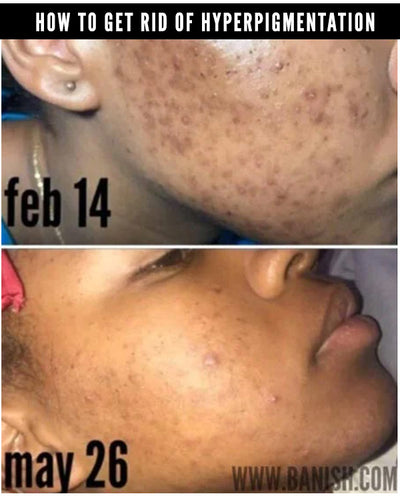
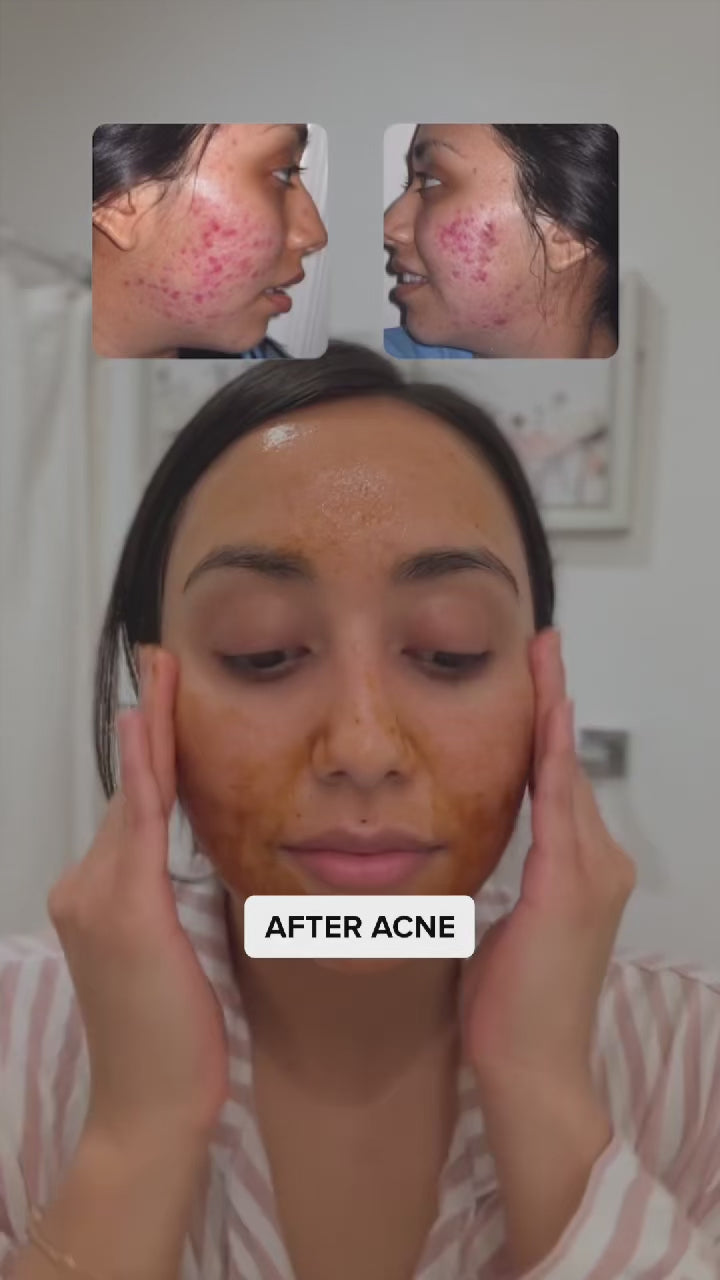
One of the most annoying “side effects” of acne-prone skin is hyperpigmentation. It happens when your skin makes extra melanin after inflammation (like a pimple), or after sun exposure. The good news: dark spots can fade a lot with the right plan. [2]
Types of Hyperpigmentation
- Post-inflammatory hyperpigmentation (PIH): dark marks left after acne, irritation, or a rash.
- Melasma: patchy brown to gray-brown pigment (often on cheeks/forehead), triggered by sun, hormones, heat, and visible light.
- Sun spots / age spots: dark spots from long-term UV exposure.
- Freckles: genetic + sun-triggered specks of pigment.
Heads up: Red or pink marks after acne are often PIE (post-inflammatory erythema) which is more “blood vessel redness” than melanin. PIE can improve with time, gentle skincare, and sun protection, but it doesn’t always respond the same way as PIH. [3]
How Long Does Hyperpigmentation Take to Fade?
It depends on the type of pigment and your skin tone. Some spots fade on their own, but many linger without treatment. A common reason it “never goes away” is that UV (and even visible light for melasma) can keep stimulating pigment production [4]
- Fresh PIH from acne: often improves in 4-8 weeks with daily SPF + a dark spot fading product.
- Stubborn PIH / darker marks: may take 8-16+ weeks to fade with treatment.
- Melasma: can fade, but is famous for coming back if you stop sun protection.
How Do You Get Rid of Hyperpigmentation Fast?
If you want faster results, focus on a simple 3 part routine:
- Block pigment triggers: SPF 30+ every morning (reapply every 2 hours if you’re outside).
- Fade existing pigment: choose 1 - 2 proven ingredients and stick with them regularly.
- Support turnover: Don't over exfoliate because that may trigger more dark spots in darker skin tones.
Treating hyperpigmentation works best when you combine pigment inhibitors with skin turnover support and strict sun protection. [5]
Best Ingredients for Hyperpigmentation
These are some of the most researched topical options. You do not need all of them at once. Pick what fits your skin!
1) Sunscreen (non-negotiable)
UV exposure can darken existing spots and create new ones. Sunscreen is also extra important because many fading products make skin more sun-sensitive. This is the first thing you should incorporate in your routine if you haven't. [6]
- Use broad-spectrum SPF 30+ every morning.
- If you’re prone to melasma or have a darker skin tone, consider tinted sunscreen with iron oxides, which can help protect against visible light too. [7]
2) Vitamin C (L-ascorbic acid)
Topical vitamin C can help reduce pigmentation by blocking melanin formation, and it also supports collagen. It’s often used alongside sunscreen for overall increased sun protection. [8]
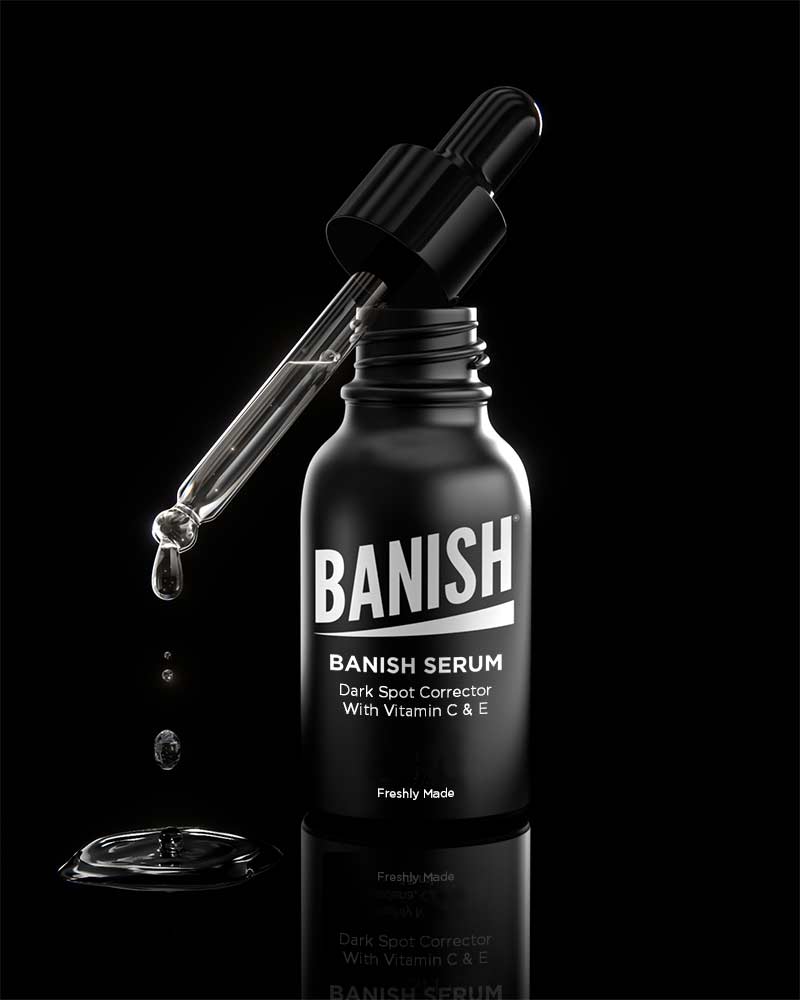
How to use: morning, after cleansing, before moisturizer + SPF. Start a few days per week if you’re sensitive or new to vitamin c. The Banish Vitamin C Serum is a stable vitamin c serum option that works well with sensitive and dry skin.
3) Azelaic Acid (great for acne + PIH)
Azelaic acid is popular because it can help acne and dark marks at the same time, and research supports its use in acne-related hyperpigmentation. [9]
How to use: once daily to start (or every other day), then work up as tolerated.
4) Retinoids / Retinol
Retinoids help by increasing cell turnover and are commonly used for acne + PIH, including in skin of color (where irritation control matters a lot). [10]
Tip: go slow. Too much irritation can trigger more pigmentation in PIH-prone skin.
5) Chemical exfoliants (AHAs like glycolic or mandelic acid)
AHAs help remove dull surface cells and can improve uneven tone over time. They’re helpful, but overdoing them is a common reason people worsen pigmentation. [11]
How to use: 1-3 nights per week (start low and slow).
6) Tranexamic Acid (TXA)
Tranexamic acid is increasingly used for pigment issues, especially melasma, and recent reviews and meta-analyses report improvement with topical and other methods (with supervision for stronger options). [12]
How to use: usually 1-2x/day depending on the product. Pair with sunscreen.
7) Hydroquinone (strong, best with medical guidance)
Hydroquinone works by reducing melanin production. Higher strengths (like 4%) are typically prescribed by dermatologists. It’s effective, but it’s not a “forever” ingredient and should be used carefully. [13]
A Simple Routine That Works
Morning (AM)
- Gentle cleanser
- Vitamin C or azelaic acid
- Moisturizer (if needed)
- Broad-spectrum SPF 30+ (tinted if melasma-prone)
Night (PM)
- Gentle cleanser
- Retinoid/retinol (2-4 nights/week to start)
- AHA exfoliant (1-3 nights/week, not on retinoid nights at first)
- Moisturizer
Keep it simple: irritation is the enemy. If your skin is burning, peeling, or stinging nonstop, scale back. Irritation can lead to more PIH. [14]
Microneedling for Hyperpigmentation
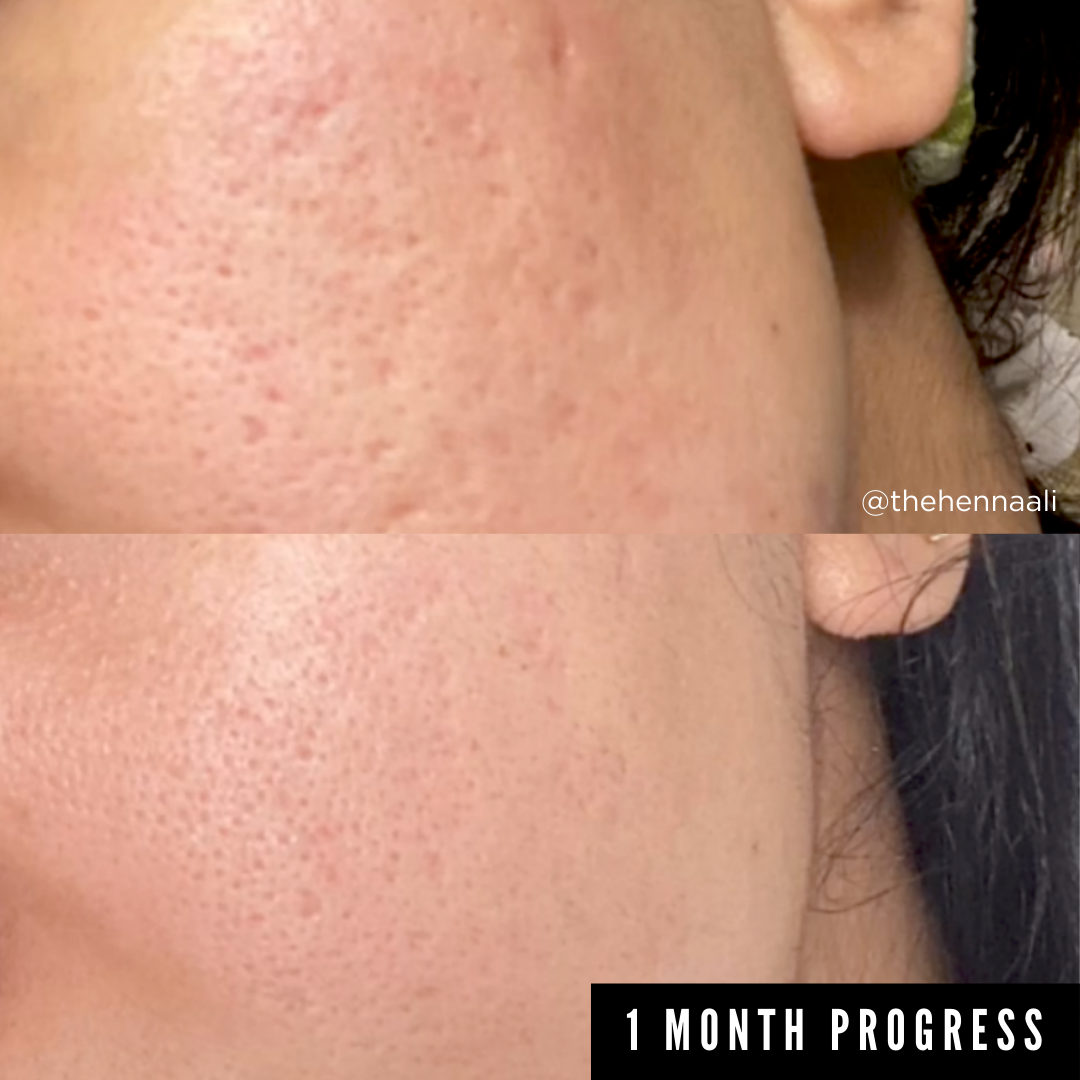
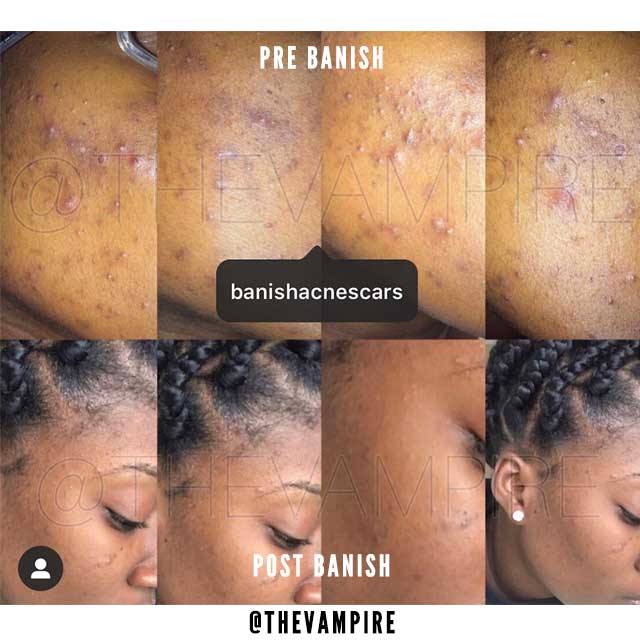
Microneedling can support more even tone by encouraging skin repair and helping topical ingredients penetrate better. Evidence suggests microneedling is used for helping pigment conditions like melasma, often combined with topical skincare. [15]
At-home note: If you microneedle at home, keep needle lengths on the lower end like 0.5mm, keep everything sanitized, and don’t microneedle over active acne, rashes, or irritated skin. If you’re dark spot prone, aggressive treatment can backfire. [16]
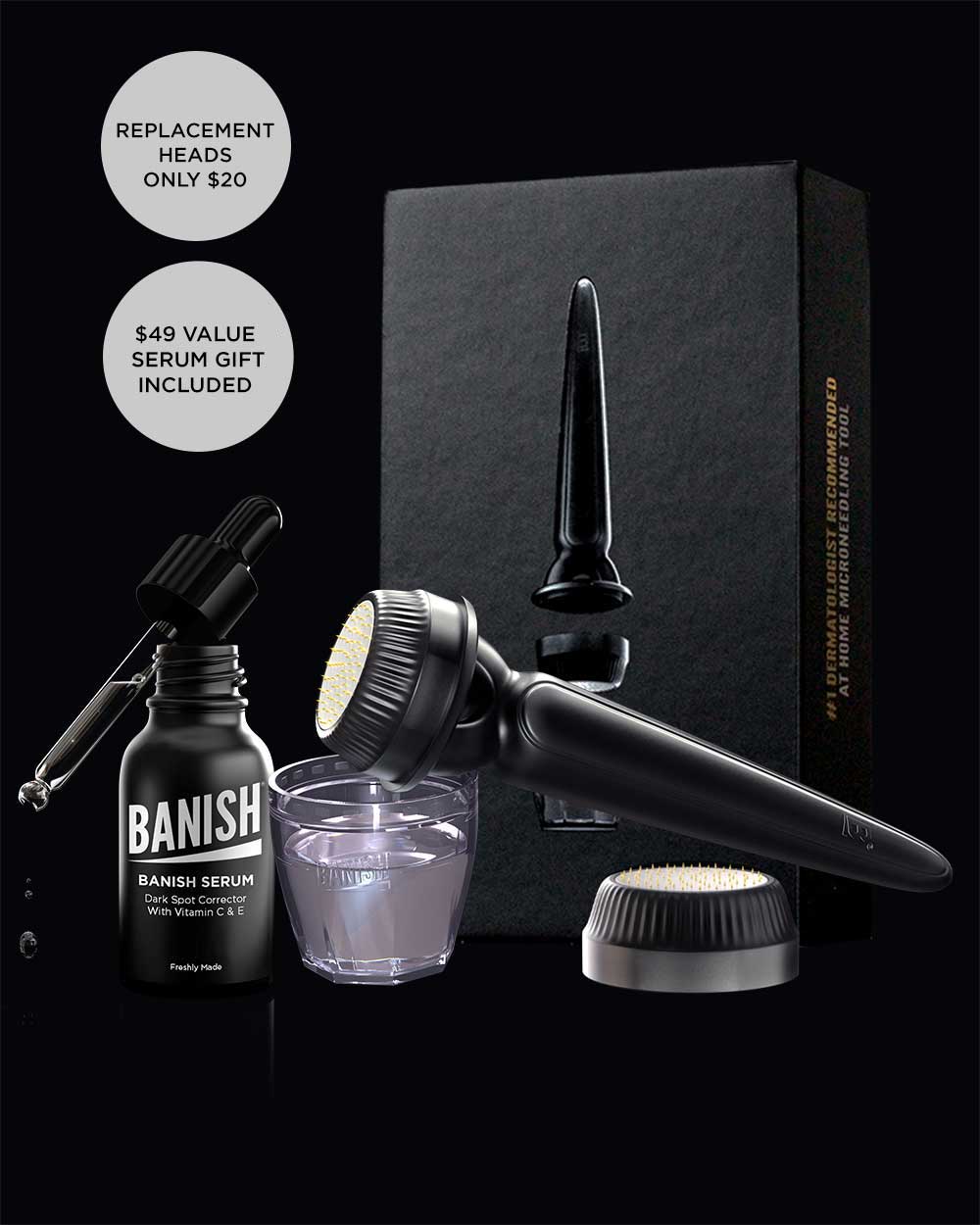
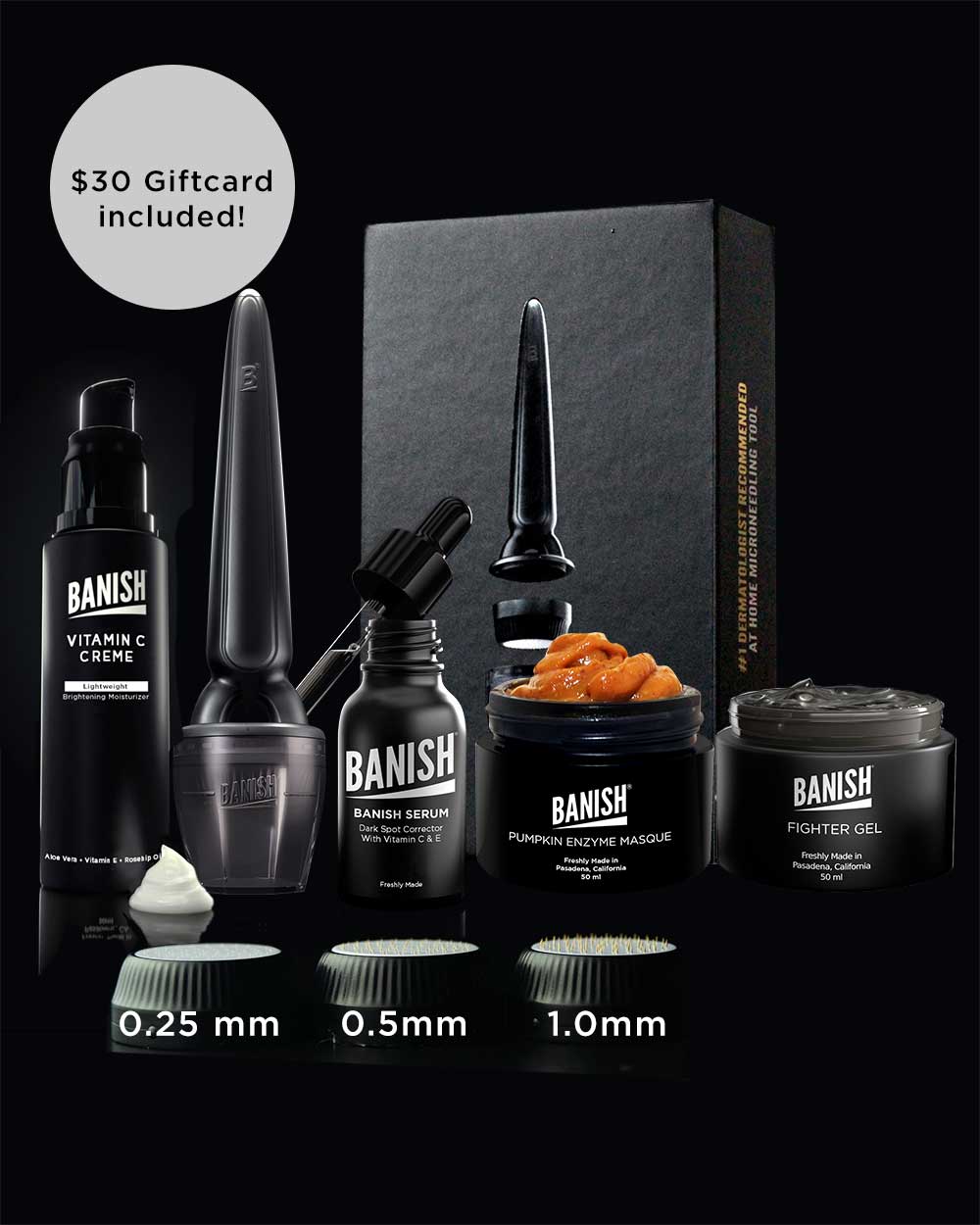
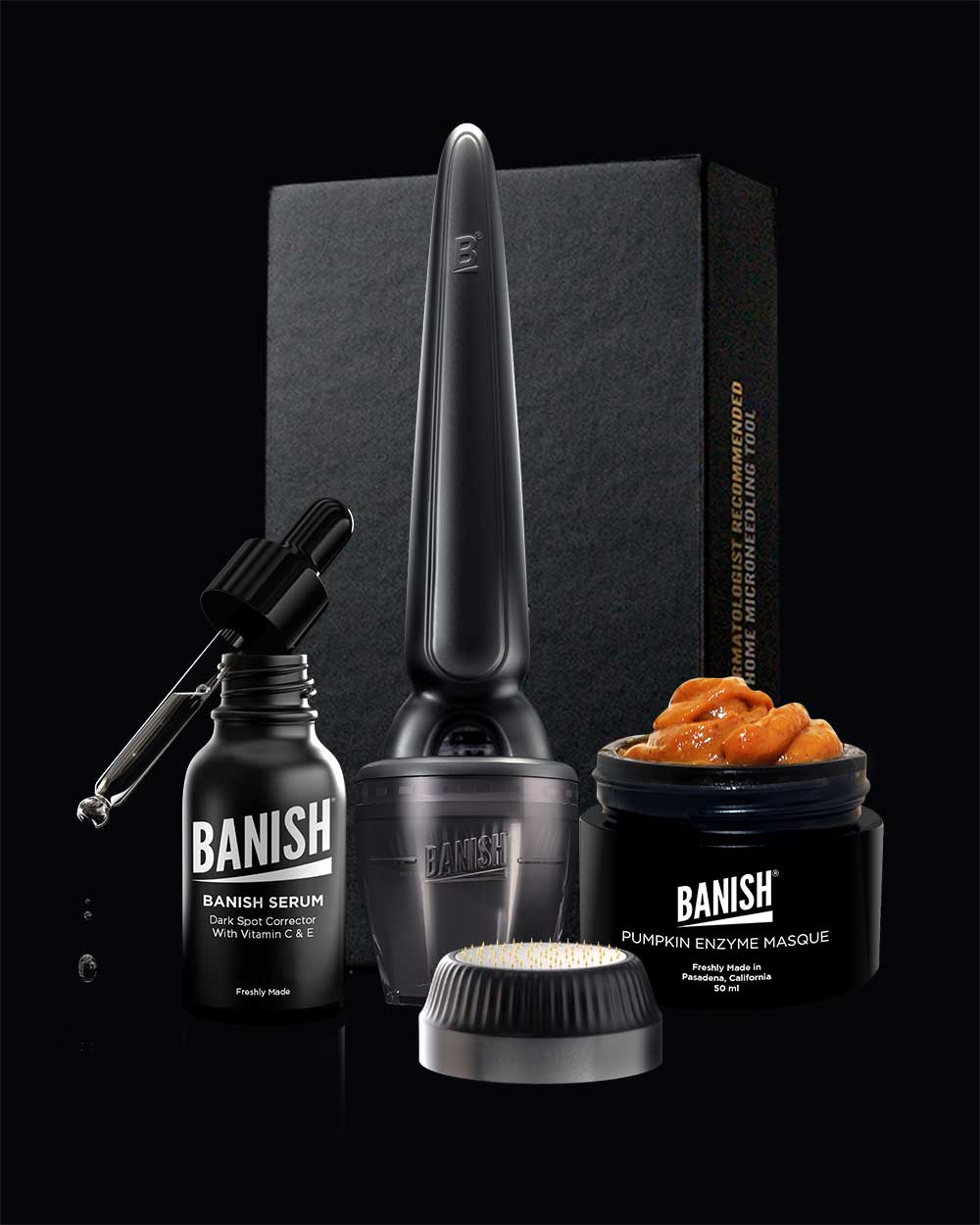
Keep your routine gentle afterward (hydration + SPF, no harsh actives for a short window). The Banish Kit 3.0 is a patented microneedling kit specifically designed to be easy to use with a manual stamping action to provide results without causing excess damage to the skin.
In-Office Treatments (When Home Care Isn’t Enough)
Professional options can help, but they’re not automatically “better,” especially if you’re prone to PIH. Some devices and peels can trigger pigment if they cause too much inflammation. [17]
- Chemical peels: can help tone, but deeper peels carry more risk and should be done professionally.
- IPL / lasers: can help sun spots in the right candidate, but can be risky for some skin tones and melasma-prone skin.
- Dermatologist-guided prescription plans: often the fastest for stubborn melasma/PIH.
Biggest Mistakes That Keep Dark Spots Around
- Skipping sunscreen (or not reapplying when outside). [18]
- Using too many actives at once and irritating your skin. [19]
- Picking acne (more inflammation = more pigment).
- Expecting instant results and quitting at week 3.
Home Remedies: What’s Worth It?
Some home remedies have small studies behind them, but results can be mixed and irritation is a risk. If you try them, patch test first.
Red onion extract
A study isolated a compound from dried red onion skin that showed tyrosinase-inhibiting activity (a pathway involved in melanin production). [20]
Black tea extract
Lab research suggests black tea extracts may have depigmenting effects, but real-life results vary. [21]
Honest opinion: if your goal is faster, more predictable fading, sunscreen + proven skincare actives usually outperform DIY options.
How to Prevent Hyperpigmentation From Coming Back
- Wear broad-spectrum SPF 30+ daily (tinted/iron oxide if melasma-prone). [22]
- Control acne inflammation early (less inflammation = fewer marks).
- Keep your skin barrier calm: moisturize, avoid harsh scrubs, avoid over-exfoliating. [23]
FAQ
What is the fastest way to fade acne dark spots?
The fastest reliable combo is daily SPF + a fading active (vitamin C or azelaic acid are great starters) + gentle turnover support (retinoid or a mild AHA a few nights per week). [24]
Do dark spots ever fade without treatment?
Some do, but oftentimes they fade slowly and can keep getting re-darkened by sun exposure. Treatment mainly helps you fade them faster and prevent new ones. [25]
Is melasma the same as post-acne marks?
No. Melasma is often triggered by sun, hormones, heat, and visible light and is more likely to recur. Post-acne PIH is triggered by inflammation from breakouts. [26]
Conclusion
Treating hyperpigmentation takes patience and consistency. If you do one thing, do sunscreen daily. Then add one proven ingredient and give it at least 6-8 weeks before you judge results. Hyperpigmentation is treatable, but it’s also easy to bring back if you stop protecting your skin. [27]
References- 1. Desai SR. Hyperpigmentation therapy: a review. J Clin Aesthet Dermatol. 2014.
- 2. Al-Niaimi F, Chiang NYZ. Topical vitamin C and the skin: mechanisms and applications. 2017.
- 3. Feng X, et al. Azelaic Acid: mechanisms and clinical applications. 2024.
- 4. Shucheng H, et al. 15% azelaic acid gel improved acne-induced PIE/PIH. 2024.
- 5. Calacattawi R, et al. Tranexamic acid in melasma: systematic review/meta-analysis. 2024.
- 6. Boukari et al. Visible light protection / iron oxides review. 2025.
- 7. Harvard Health: tinted sunscreens + visible light and melasma. 2020.
- 8. AOCD Hydroquinone patient info (OTC 2%, prescription higher).
- 9. Bailey AJM, et al. Microneedling as an adjuvant to topical therapies for melasma (systematic review/meta-analysis). 2022.
- 10. Gowda A, et al. Adverse effects of microneedling (systematic review). 2021.










1 comment
Kshitish
I want high pigmentation cream
Leave a comment
All comments are moderated before being published.
This site is protected by hCaptcha and the hCaptcha Privacy Policy and Terms of Service apply.