

If you spent a lot of money on an aesthetic procedure and now you are staring at an incision scar wondering whether you are doing everything right, this is written for you. At Banish, we built the products around acne scars, but over the years the same question kept coming up from people who had facelifts, tummy tucks, and similar procedures: I went through this to improve my looks, so now what do I do with this scar?
That frustration makes sense. Post surgery scars are often larger and can be more visible than most everyday injuries, and the stakes feel higher because the procedure was meant to be an improvement.
The good news is that most post procedure scars do improve significantly over time, and consistent at-home care does influence how the scar heals. The challenging part is that improvement happens over months to over a year, so it does take time. Here is what what you can do with evidence to support it.
Key Takeaways
- Post procedure scar care starts once the wound is fully closed and your surgeon clears you, generally 2 to 4 weeks after surgery.
- Silicone gel and silicone sheets have the most research for at-home scar treatment.
- New scars are vulnerable to UV damage for up to 18 months. SPF 30 or higher is essential throughout that entire period.
- Gentle massage can begin around 2 to 3 weeks after surgery in most cases, once your surgeon approves.
- Microneedling can be beneficial when the incision and scar is healed, generally at 6 weeks out
- Facelift scars and tummy tuck scars have different locations and characteristics that affect which home care approaches matter most.
Video explaining what helps fade scars with board certified plastic surgeon Dr. Karen Leong based in Newport Beach.
Why Post Plastic Surgery Scars Feel Different to Manage
Some small cuts or acne dark spots heal over time without much intervention. Post surgical scars are a different situation.
These wounds are often longer and involve more tissue layers than minor injuries. A tummy tuck scar can run low across the entire abdomen. A facelift scar follows the hairline, curves around the ear, and continues into the scalp behind it. During these procedures the tissue is pulled tighter than it naturally sits and sutured closed, which affects how the underlying collagen forms during healing.
There is also the emotional dimension. You had the procedure specifically to improve how you look. Watching a scar develop in the same area can feel discouraging, and that frustration sometimes leads people to start treatments too early or try too many products at once, which can actually slow healing down.
Understanding the basic biology of scar formation makes it easier to stay patient. Scars go through three overlapping phases: inflammation, proliferation (where new tissue actively forms), and remodeling.
The remodeling phase, where collagen fibers reorganize and the scar gradually softens and fades, can last up to two years. Most of the change happens during that long window, not in the first few weeks.
When to Start At-Home Scar Care
The most important rule of post surgical scar care is to follow your surgeon's instructions before adding anything else.
Your surgeon knows the specifics of your procedure and wound closure, and they are the right person to tell you when the tissue is ready for additional care.
Scar care cannot start until the skin surface is fully closed. Applying products to an open or partially closed wound risks introducing bacteria and disrupting the healing process. With that said, here is a general timeline based on current clinical scar management guidelines1:
- Days 1 through 14: Keep the wound clean and moist. Many surgeons recommend petroleum jelly or a gentle antibiotic ointment applied twice daily to support surface healing during this phase.
- Weeks 2 to 3: Once the wound is fully closed and your surgeon approves it, gentle massage can begin.
- Weeks 3 to 4: Silicone gel or silicone sheets can typically be introduced once the surface is completely sealed.
- 6 weeks and beyond: At-home microneedling on stable scar tissue may be appropriate with surgeon approval.
- Up to 18 months: Sun protection should continue throughout the full scar maturation period.
This is just a general guide. Your surgeon may adjust the timing based on your wound healing and history, your procedure type, and where the scar is on your body.
Silicone Gel and Sheets: The Best-Supported At-Home Option
If you are looking for the at-home approach with the most evidence behind it, silicone generally recommended. Silicone gel and silicone gel sheets are the most reliable tool for managing post surgical scars, based on multiple randomized controlled trials and systematic reviews.
A 2020 systematic review and meta-analysis of six randomized controlled trials found that topical silicone gel significantly reduced scar pigmentation, height, and pliability (how easily the scar stretches and moves) compared to no treatment at 6 to 8 months post-surgery.2 Results were less pronounced at 3 months, but improved consistently with longer use.
Silicone creates a moisture barrier over the scar. This regulates the wound environment and appears to reduce the excess collagen production that causes scars to thicken and raise over time. When used daily over 3 to 4 months, it produces visible improvement in most post surgical scars.
Clinical guidance recommends wearing silicone sheets for at least 12 hours a day for 3 to 4 months.1 Silicone gel is more practical for facelift scars near the hairline and behind the ear, where sheets are difficult to keep in place.
For longer post plastic surgery scars on the abdomen, sheets often stay in position more reliably. Both forms perform comparably in the research, so the best choice is whichever format you will actually stick with day to day.
Scar Massage: How It Helps and When to Start
Scar massage is one of the recommended at-home techniques after surgery, and the research does support it, particularly for improving how a scar feels and how well it moves against the tissue beneath it.
A 2023 study on combined manual scar therapy, found improvements in scar hydration, elasticity, pigmentation, pliability, and collagen fiber structure in participants with postoperative scars. In the participants, scars became flatter, paler, and more even in texture with consistent treatment over 8 weeks.3
Standard clinical guidance recommends beginning massage around 2 to 3 weeks post-operatively once the wound is fully closed and your surgeon has cleared you. The general protocol is twice-daily 10-minute sessions using gentle small circular or back-and-forth strokes, continued for at least 6 weeks.1
Use clean hands and a simple unscented moisturizer or healing balm. The goal is to gradually work through the denser collagen forming beneath the scar surface and help the scar integrate more smoothly with the surrounding skin.
Massage should not be painful. A mild pulling sensation or warmth in the tissue is normal, but if you feel significant discomfort, ease the pressure.
Never massage a wound that has any open areas or has not been fully cleared by your surgeon.
For facelift scars specifically, massage is helpful in the areas around the ear and along the hairline, which often feel tight and ropy as the tissue heals.
Gentle consistent massage can relieve that tension and reduce the cord-like feeling that sometimes develops in early healing.
Sun Protection for Post Procedure Scars
New scars are far more vulnerable to UV damage than the surrounding skin. When UV light reaches a healing scar, it can trigger excess melanin production in the tissue, causing the scar to darken in ways that are difficult to reverse later.
Newly formed scars less than 18 months old are highly susceptible to UV radiation. The recommendation is SPF 30 or higher for 12 to 18 months post-surgery, along with physical coverage where possible.1
For facelift scars, this is especially important. The face, hairline, and neck get more daily incidental sun exposure than almost any other area of the body, and the thin skin in these areas offers little natural barrier.
Wearing a wide-brimmed hat during prolonged outdoor exposure, in addition to applying sunscreen directly to the scar area, makes a long-term difference that passive healing alone will not achieve.
For tummy tuck scars, daily clothing typically provides coverage, but exposure during outdoor exercise, at the beach, or any time the abdomen is uncovered adds up across months. A mineral sunscreen applied directly to the scar area is a reliable option for those situations.
Nutrition That Supports Scar Healing
The quality of tissue that forms during scar healing depends partly on what your body has available to work with. Two things that come up consistently are vitamin C and protein.
Vitamin C is involved in stabilizing collagen molecules during tissue rebuilding. Most people get enough through a normal diet, but during surgical recovery it helps to be deliberate about vitamin C-rich foods like citrus, bell peppers, broccoli, and leafy greens. Adequate protein intake matters too, since it supports all tissue repair during the remodeling phase.
Topical vitamin C can also play a role in mature scar care. Once the scar is fully healed and stable enough to tolerate an active ingredient, a stable vitamin C serum may support collagen production and help even out any discoloration that has developed. Introduce it slowly and stop if you notice irritation or sensitivity in the area.
Microneedling for Post Surgical Scars: When It Makes Sense
Microneedling has a growing evidence base specifically for post surgical scar improvement, and it is increasingly used in professional settings as part of scar management protocols alongside silicone and massage.
A 2022 study published in Plastic and Reconstructive Surgery followed 25 surgical patients who received three microneedling treatments starting as early as 6 to 7 weeks after their procedures. Researchers found significant improvements in objective scar assessment scores at the 16-week evaluation, with no adverse outcomes reported. Patients who began treatment earlier in the wound maturation phase showed better outcomes than those who started later.4
A literature review on microneedling for raised and thickened post surgical scars found level 1 evidence supporting the combination of needling and silicone gel for improving pliability, height, and blood flow to the scar tissue.5
Understanding how microneedling works explains why this is effective. The controlled micro-injury from the needles signals the skin to produce new collagen, which gradually replaces the denser, less organized collagen that forms during scar healing. Over multiple sessions, this process can produce improvements in texture and appearance that topical products alone may not achieve on their own.
For post procedure scars, using a controlled and non aggressive tool with shorter needles can cause less discomfort, though the treated area may feel tender for a few hours or so.
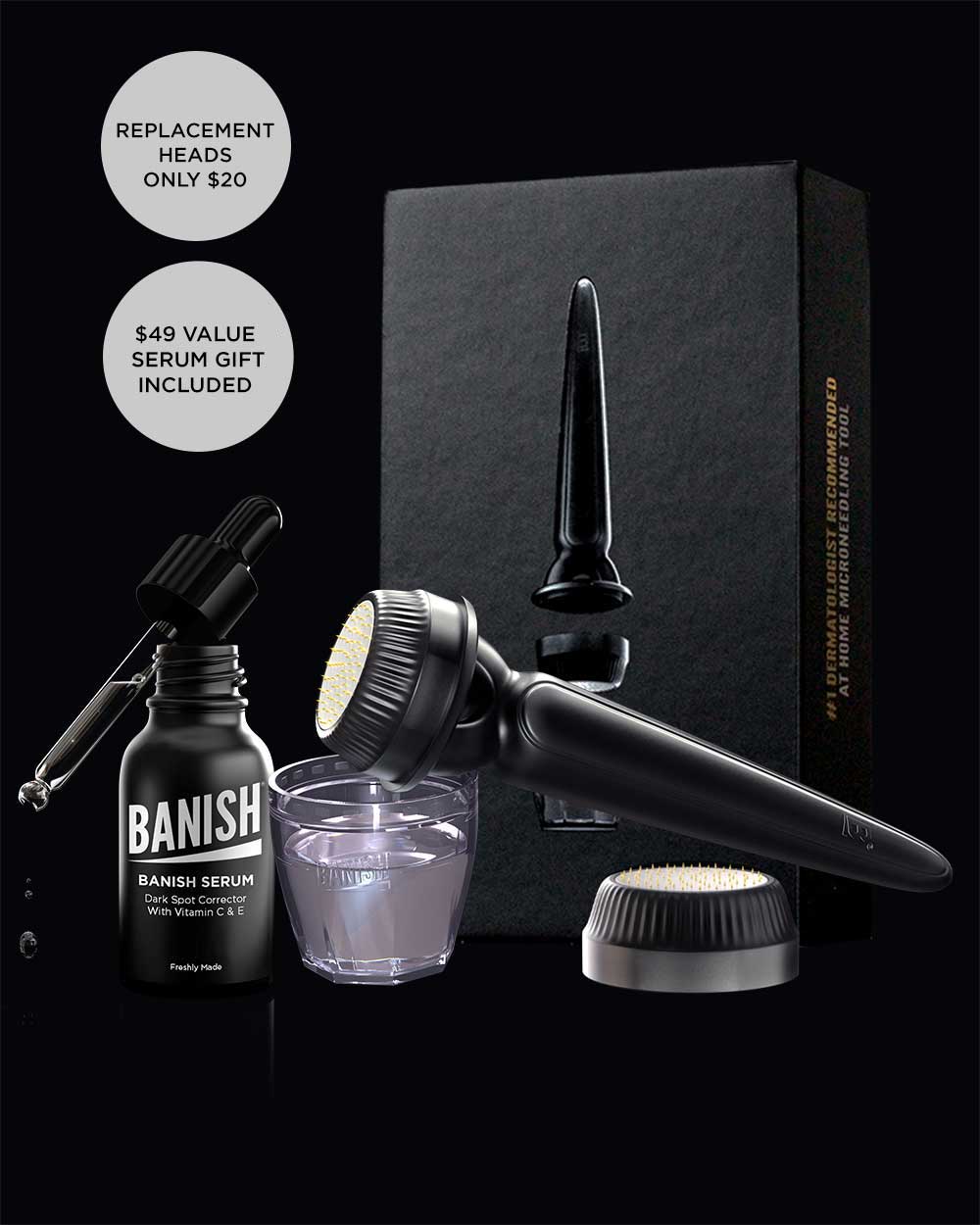
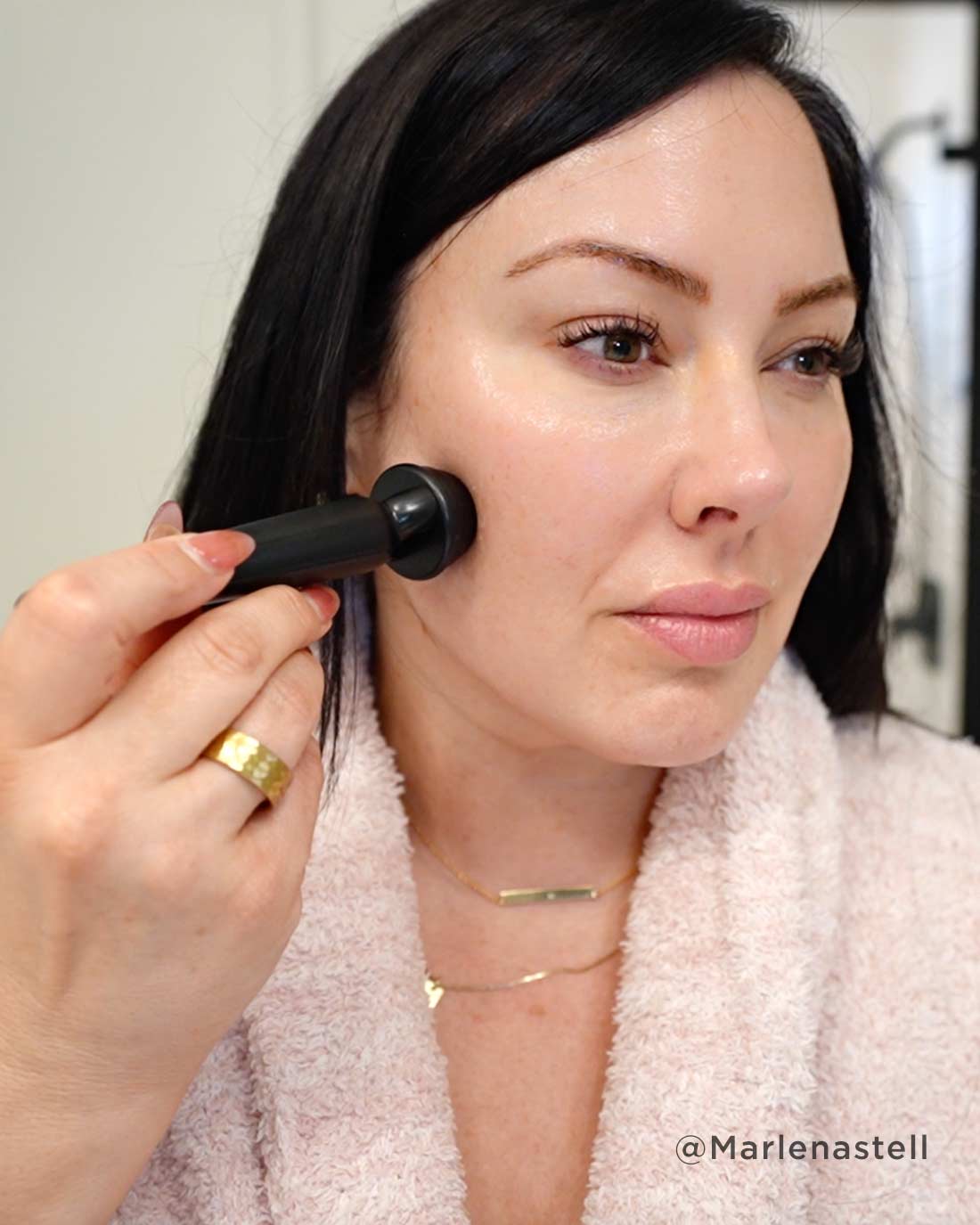
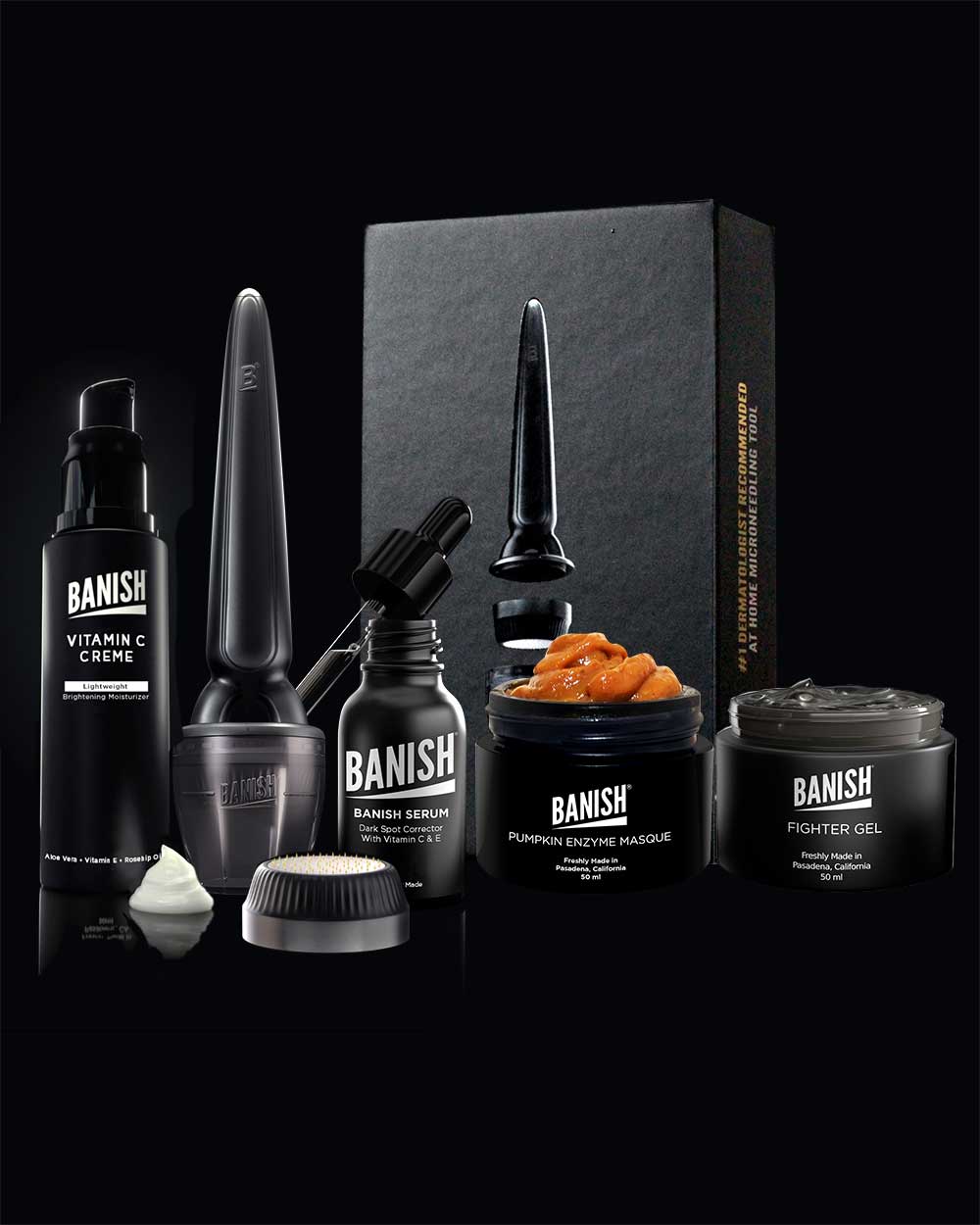
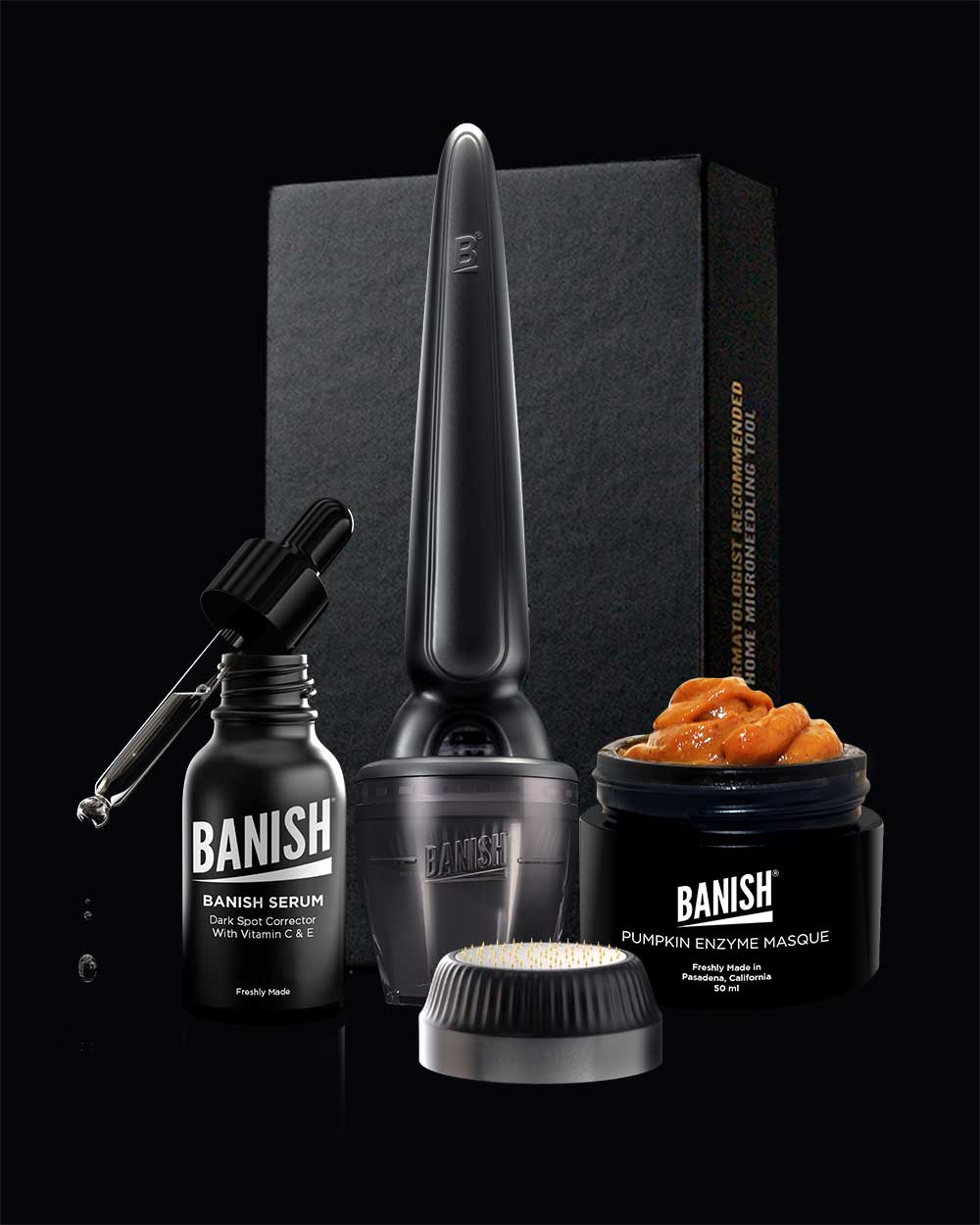
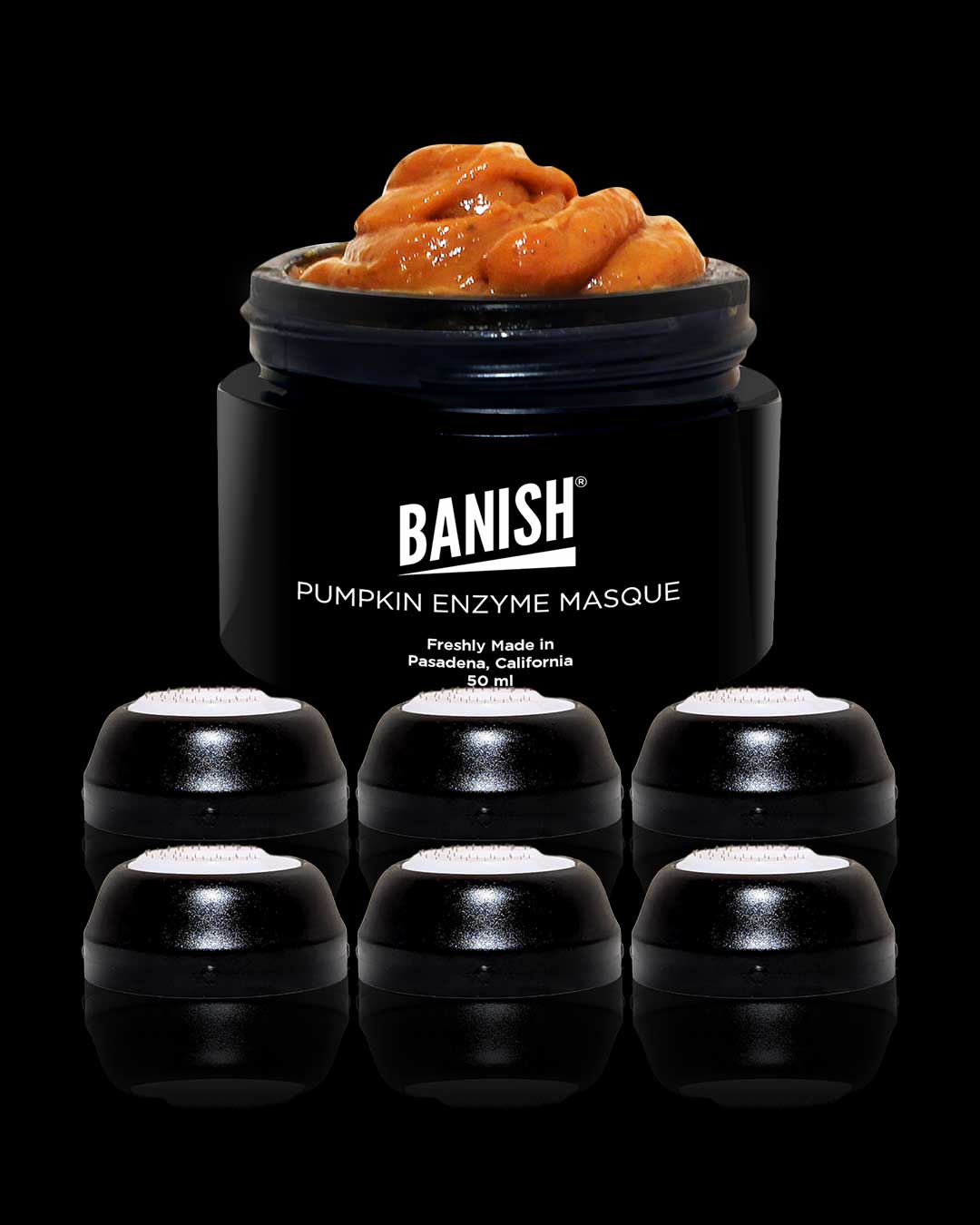
At-home microneedling with a device like the Banish Kit 3.0 is suited for body scars that have healed and are stable. For facial scars, it may also be appropriate on accessible areas once healing is complete. Either way, get your surgeon's clearance before starting.
If you are thinking about building a more layered approach to your scar care routine, the breakdown on treatment stacking is worth reading before combining multiple approaches. Adding too many things at once does not accelerate results and makes it much harder to know what is actually working.
Facelift Scars vs. Tummy Tuck Scars: What Makes Each One Different
Where a scar sits on the body affects how it heals, how visible it is during recovery, and which home care approaches matter most. Facelift and tummy tuck scars are among the most common types after aesthetic procedures, and they have meaningfully different characteristics.
Facelift Scars
Facelift scars typically follow the natural hairline in front of the ear, curve around the earlobe, and continue behind the ear into the scalp. Some procedures also leave a small scar under the chin. Hair often partially conceals these scars during the healing period, which helps with confidence while recovery continues.
The skin in these areas is thinner than body skin, which makes it more reactive to products and more prone to irritation. Silicone gel is usually more practical than silicone sheets for facelift scars because the skin around the ear and hairline moves a lot with normal facial expressions, and sheets are difficult to keep in place.
Sun protection is the most important consistent habit for facelift scars. The face and hairline receive more daily UV exposure than almost any other part of the body, and even brief unprotected exposure during the first 12 to 18 months can cause lasting pigmentation changes to the scar.
Be careful with heat styling tools, hair color treatments, or chemical processes near the scar during healing. Wait for your surgeon to clear you before returning to any of those activities, as heat and chemical exposure can irritate healing tissue near the scalp.
Tummy Tuck Scars
Tummy tuck scars are typically horizontal, running low across the abdomen, often from hip to hip. There may also be a scar around the navel. These are often among the longest incision scars from any aesthetic procedure, which means the overall management timeline requires planning.
Note: Many surgeons prescribe a compression garment to be worn in the weeks immediately after a tummy tuck. That is standard post-surgical care and should be followed as directed. The loose clothing advice below applies after the compression garment phase is complete and your surgeon has cleared you to dress normally.
Once you are past the compression phase, clothing friction becomes a practical concern. Waistbands, tight fabrics, or anything that sits directly on the scar line can cause ongoing irritation. Loose, soft clothing that does not rub directly on the scar area is more comfortable and supports better healing during that transition period.
Silicone sheets tend to work well on tummy tuck scars because the abdomen is relatively flat and the sheet can stay in position more reliably than on the curved contours of the face. Cutting the sheet to match the length of the scar makes it easier to apply and keep in place through the day.
Abdominal swelling after a tummy tuck can persist for several months and can make the scar look more raised or puffy than it actually is. The scar's true appearance often does not become clear until a year or more after the procedure. That longer timeline is worth keeping in mind when evaluating progress month to month.
What to Avoid During Early Scar Healing
Some ingredients and techniques that are helpful for mature skin are counterproductive on a healing scar. Here is what to skip until the tissue is fully healed and your surgeon has cleared you for additional care:
- Retinol and chemical exfoliants: AHAs, BHAs, and retinol can be too aggressive for newly healing scar tissue and may disrupt the wound surface. Save these for after the scar is mature enough to tolerate actives.
- Microneedling before the scar is healed: Using a microneedling device on tissue that has not fully closed can reopen the wound, Timing matters so generally wait 6 weeks after the procedure, or ask your surgeon for clearance before starting.
- Multiple new products at the same time: Introducing several products at once makes it impossible to identify what is helping or what might be causing a reaction. Add one thing at a time, with several weeks between additions.
- Unprotected sun exposure: Even brief exposure to UV light without adequate SPF during the first 18 months can permanently affect the color of the scar.
- Physical scrubbing or harsh exfoliation: The skin over a healing scar is fragile. Physical exfoliation can disrupt the surface and lead to uneven healing.
Once the scar is mature and you are ready to add actives, the guide on what to use after microneedling covers how to layer treatments without overwhelming skin that is still rebuilding.
Expectations for Post Procedure Scar Healing
Most post procedure scars follow a predictable arc. They look their most visible around 4 to 8 weeks, when redness and firmness peak, and then gradually soften and fade. Most reach their final appearance somewhere between 12 and 24 months after surgery.
A common concern is whether active scar care actually changes anything, or whether the scar would fade on its own anyway. Scars do mature naturally over time regardless of what you do. But the research on silicone and sun protection consistently shows better outcomes with intervention compared to no care. The natural healing process happens either way. What active care does is improve the conditions it works in, and that leads to better outcomes in the final result.
Some people are also more genetically prone to raised or thickened scars. If you have a history of hypertrophic or keloid scars from past injuries, let your surgeon know early so they can build in more proactive care from the beginning.
Once the scar is mature and stable, adding a regular microneedling routine is one way to push improvement further than skincare alone. If you are at that stage, the Banish Kit 3.0 is designed for at-home use and is a practical option for body scars and facial areas once your surgeon has cleared you.
Frequently Asked Questions
How soon after surgery can I start using scar products?
Most at-home scar products should not be applied until the wound is fully closed and your surgeon clears you. Silicone gel or sheets are typically introduced around 3 to 4 weeks post-surgery once the surface is completely sealed. Starting before that can interfere with healing or introduce bacteria to the wound area.
Does silicone gel actually work on post surgical scars?
Yes. A systematic review and meta-analysis of randomized controlled trials found that topical silicone gel significantly reduced scar pigmentation, height, and pliability at 6 to 8 months post-surgery compared to no treatment. The key is consistent daily use over several months. It does not produce quick visible changes, but it is the most consistently supported at-home option.
Can microneedling help a facelift or tummy tuck scar?
Yes, with the right timing. Clinical research shows that professional microneedling starting around 6 to 7 weeks after surgery can produce significant scar improvement, home microneedling with the proper tool is less aggressive and can be done after the scar is closed and healed around the same timing. Always get clearance from your surgeon before starting any microneedling on a post surgical scar.
How long will it take for my post procedure scar to fade?
Most post plastic surgery scars reach their final appearance between 12 and 24 months after surgery. The scar usually looks most prominent at 4 to 8 weeks and then gradually softens and fades. Sun protection, silicone, and massage throughout the healing period all support better long-term outcomes.
Is redness and firmness normal in a post surgical scar?
Yes. Redness and firmness in the first several weeks is a normal part of scar healing. The body is actively building new collagen to close and stabilize the wound, and this inflammatory response typically peaks around 4 to 8 weeks. If the scar becomes increasingly raised, persistently itchy, or painful beyond that period, it is worth checking in with your surgeon to rule out hypertrophic or keloid development.
What is the difference between caring for a facelift scar vs. a tummy tuck scar?
Facelift scars involve thinner facial skin in areas that get high daily sun exposure, making SPF the most important consistent habit, and silicone gel works better than sheets around the ear and hairline. Tummy tuck scars are often longer and sit in an area where compression garment guidance comes first, followed by concern about clothing friction once that phase ends. Silicone sheets work well on the flatter abdominal surface, and swelling can make the scar look more raised than it actually is for the first several months.
Can I use vitamin C on a post surgical scar?
Topical vitamin C can be a useful addition once the scar is fully healed and the skin is stable enough to tolerate an active ingredient. It supports collagen production and helps even out discoloration over time. Introduce it slowly and stop use if you notice irritation or redness.
References
- Commander S, Chamata E, Cox J, Dickey RM, Lee EI. Update on Postsurgical Scar Management. Seminars in Plastic Surgery. 2016;30(3):122-128.
- Wang F, Li X, Wang X, Jiang X. Efficacy of topical silicone gel in scar management: A systematic review and meta-analysis of randomised controlled trials. International Wound Journal. 2020;17(3):765-773.
- Lubczyńska A, Garncarczyk A, Wcisło-Dziadecka D. Effectiveness of various methods of manual scar therapy. Skin Research and Technology. 2023;29(4):e13272.
- Claytor RB, Sheck CG, Chopra V. Microneedling Outcomes in Early Postsurgical Scars. Plastic and Reconstructive Surgery. 2022.
- Iosifidis C, Goutos I. Percutaneous collagen induction (microneedling) for the management of non-atrophic scars: literature review. Scars, Burns and Healing. 2019;5:2059513119880090.










Leave a comment
All comments are moderated before being published.
This site is protected by hCaptcha and the hCaptcha Privacy Policy and Terms of Service apply.