

By Daisy Jing
@Veganacnesufferers contributing author
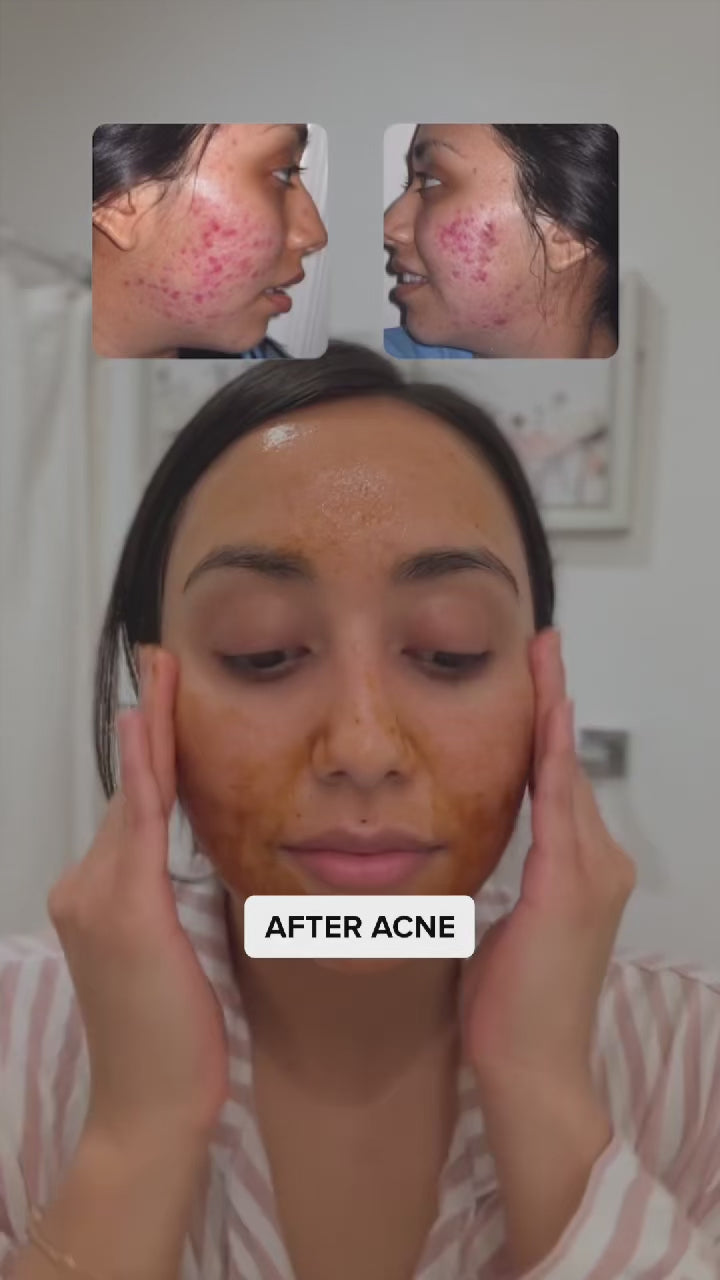
When I started dealing with cystic acne in my early 20s, I changed my diet before I changed almost anything else. I cut dairy, reduced sugar, and waited. Some of it helped. But even after my skin calmed down, the scarring and texture from years of breakouts were still there.
Diet helped slow down new breakouts, but it did not undo the scars that already happened.
A lot of people go through this same experience. The truth is that diet changes are doing the job they can actually do, which is reducing inflammation and new breakouts, but the scars left behind by past acne are a separate problem.
This article will cover the latest research in 2026 supporting which foods have evidence behind them to reduce acne, how the gut-skin axis works and why it matters, and how to test your own dietary triggers instead of following a generic food list and how much diet can really affect skin.
Key Takeaways
- High-glycemic foods and dairy, especially skim milk and whey protein supplements, have the most research support for worsening acne in people who are sensitive to them.
- The gut-skin axis is now well-documented: disruptions in gut microbiome health increase systemic inflammation and can worsen acne severity.
- An elimination and rechallenge test is more useful than following a generic anti-acne food list, because individual responses vary significantly.
- Omega-3 fatty acids, zinc, probiotics, and anti-inflammatory whole foods support clearer skin, but expect 8 to 12 weeks of consistency before seeing results.
- Diet can reduce future breakouts. It cannot rebuild collagen in existing acne scars, affect pore size, or fade post-acne dark spots that are already there.
- Once breakouts are calmer, scar tissue and texture need a mechanical or topical skincare approach to see improvement.
The Anti-Acne Diet Then Vs Now
For a long time, most diet and acne advice stayed at a generic level like: "Eat clean. Cut junk food. Drink more water." None of that is wrong, but none of it is specific enough to actually help most people figure out what is driving their breakouts.
What's changed now is the demand for specific and testable information. If you spend any time in acne-focused communities on Reddit or TikTok, you will see people pushing back on vague recommendations and questioning more such as: Why is skim milk worse than whole milk? Does the type of probiotic matter? Why do some people clear up after cutting dairy and others see zero change?
And it's good to ask questions and do your own research. The current body of evidence focuses a set of dietary factors that have an explanation, not just correlation data from questionnaire studies. The three areas with the most evidence are:
- High-glycemic foods and the insulin and IGF-1 signaling pathway
- Dairy, particularly skim milk and whey protein
- The gut-skin axis and how gut microbiome disruptions increase skin inflammation
Understanding the mechanism behind each of these helps you make better decisions about what to test for yourself. As covered in our guide to the causes of adult acne, diet is one factor among several, including hormones, genetics, stress, and product choices. Changing your diet may not do a full reset, but it is a lever you can test and adjust.
The Gut-Skin Axis Explained
The gut-skin axis is the term researchers use to describe the relationship between your digestive system and your skin. What happens in your gut influences your skin, and chronic skin conditions are often associated with gut microbiome imbalances.
For acne, the mechanism works through inflammation. Inside your gut lives a community of bacteria, fungi, and other microorganisms called the gut microbiome.
When this community is balanced, it supports immune function and keeps inflammation in check.
When it is disrupted, a state called dysbiosis, the gut barrier can become more permeable, and inflammatory signals can pass into the bloodstream more easily.
Those signals increase inflammation throughout the body, including in the skin, where they worsen the immune response inside pores and promote more severe breakouts.7
A 2026 review evaluated probiotics, prebiotics, and synbiotics for acne treatment. The authors found that clinical trials indicate improvements in acne severity after probiotics, but larger randomized trials are still needed to confirm.2
A 2025 systematic review analyzed three trials involving 231 participants. It found that oral probiotics produced a significant reduction in inflammatory acne lesions compared to placebo, and no serious negative reactions in any of the trials.1
A 2026 review also found that oral probiotics and omega-3 fatty acids showed supportive benefits when used alongside conventional acne treatments, suggesting that gut support works best as part of a broader approach.9
If you have already looked into gut health and acne, you know that conditions like dysbiosis, leaky gut, and chronic constipation can all create an internal environment that makes skin inflammation worse.
What Disrupts the Gut Microbiome
- Frequent antibiotic use, which wipes out beneficial bacteria along with harmful ones
- Low-fiber, high-processed-food diets that starve beneficial bacteria
- High sugar intake, which feeds less beneficial microorganisms
- Chronic stress, which alters gut motility and microbiome composition
- Poor sleep, which affects gut health and skin inflammation
What Supports the Gut Microbiome
- Fermented foods that introduce live beneficial bacteria: yogurt with live cultures, kefir, kimchi, sauerkraut, miso
- High-fiber foods that feed those bacteria: vegetables, legumes, whole grains, fruit with skin on
- Prebiotic foods: garlic, onions, leeks, asparagus, oats, bananas
- Omega-3 fatty acids, which support an anti-inflammatory environment
- Probiotic supplements, though the specific strain matters and research is still developing on which strains are most useful for acne
The Foods Likely To Worsen Acne
1. High-Glycemic Foods
High-glycemic foods are those that cause a fast rise in blood sugar. White bread, white rice, sugary drinks, packaged snacks, candy, and most ultra-processed foods fall into this category.
The glycemic index (GI) is the scale used to measure how quickly a food raises blood sugar, and glycemic load (GL) accounts for both the GI of a food and how much of it you are eating.
The mechanism connecting high-glycemic eating to acne is well-established. When blood sugar spikes quickly, the body releases insulin to bring it back down. High insulin levels increase another hormone called insulin-like growth factor 1, or IGF-1.
IGF-1 stimulates the oil glands to produce more sebum, promotes skin cell overgrowth, and amplifies androgen hormones. Each of these effects contributes directly to clogged pores and breakouts.10
A 2025 systematic review of adult female acne confirmed that a high-glycemic diet is linked to the development of adult acne, placing it alongside hyperandrogenism and family history as one of the most consistent factors that cause acne.6
Clinical data is also building. A study published in Cureus examined female patients aged 15 to 35 following a low-glycemic-load diet. After just two weeks, IGF-1 concentrations dropped significantly, from 267.3 ng/mL to 244.5 ng/mL, and participants showed reductions in acne severity during the study.5
This is one of the most consistent findings across acne and diet research. If your current eating pattern includes a lot of refined carbohydrates and processed foods, switching toward lower-glycemic options is likely to have some benefit on reducing your acne breakouts.
High-glycemic foods to reduce:
- White bread, bagels, white rice, pasta made from refined flour
- Sugary drinks including soda, fruit juice, energy drinks, and sweetened coffee
- Packaged snacks and chips
- Candy, pastries, and desserts with refined sugar
- Most breakfast cereals
Lower-glycemic alternatives:
- Whole grains: brown rice, rolled oats, quinoa, barley, whole grain bread
- Legumes: lentils, chickpeas, black beans, edamame (high in fiber and protein, low GI)
- Whole fruit instead of juice (fiber slows the glucose response)
- Non-starchy vegetables as a base for most meals
- Sweet potatoes instead of white potatoes (lower GI and higher in skin-supportive nutrients)
2. Dairy, Especially Skim Milk and Whey Protein
Dairy is the second on the list with substantial evidence that it can worsen acne.
Research consistently shows that skim milk and low-fat milk are more strongly associated with acne than whole milk.
This is counterintuitive if you assume that the fatty, higher-calorie option would be worse for your skin. The reason skim milk seems to carry more risk comes down to what is left when the fat is removed.
When you remove the fat from milk, theres a higher concentration of whey protein. Whey proteins activate a cellular signaling pathway called mTORC1, which promotes sebum production and makes your skin cells grow faster, leading to more clogged pores.4
Whey protein supplements follow the same pattern. A 2024 case-control study from Jordan found that 47 percent of participants in the acne group were taking whey protein supplements, compared to 27.7 percent in the control group without acne.3
It's important to mention that not everyone reacts to dairy. Some people see no change at all when they cut it out. But if you have been dealing with acne that just doesn't go away, and never tried eliminating dairy or whey protein, it something worth trying for a few weeks.
For people dealing with hormonal acne, the dairy and IGF-1 connection is may even be more relevant. IGF-1 directly amplifies androgen production, which is already elevated in hormonal acne. If you notice breakouts around the jawline and chin that get worse before a period, dairy elimination is worth testing.
What to eliminate during a dairy test:
- All cow's milk, including skim, low-fat, and whole
- Cheese, yogurt, butter, cream, ice cream
- Whey protein supplements
- Foods that contain milk solids or whey as ingredients (check labels on protein bars, processed foods, breads)
Dairy alternatives that do not carry the same acne risk:
- Oat milk (low in protein, does not activate the same IGF-1 pathway)
- Almond milk or coconut milk
- Pea protein powder instead of whey for supplementation
- Plant-based yogurt with live probiotic cultures (still supports gut health)
How to Run Your Own Elimination and Rechallenge Test
An elimination and rechallenge test is a method for figuring out which specific foods affect your skin. Instead of cutting everything at once or following a generic list of banned foods, you remove one specific suspected trigger for a window of time, then reintroduce it and observe what happens.
If you cut dairy, sugar, gluten, and alcohol all at once and your skin improves, you still do not know which one was the issue and honestly it would be a pain to maintain long term. Elimination and rechallenge takes the guess work out of things.
Step-by-Step Protocol
Step 1: Choose one trigger to test.
Start with dairy or high-glycemic foods, as these have the most evidence. Do not eliminate both at once if you want to know which one is affecting your skin.
Step 2: Eliminate completely for 4 to 6 weeks.
Partial elimination produces unclear results. Read ingredient labels carefully. Whey, casein, and milk solids appear in many processed foods, protein bars or protein snacks, and baked goods.
Step 3: Keep a simple food and skin diary.
Note what you eat and how your skin looks every few days. A few notes on your phone works fine. Take note of any patterns you notice.
Step 4: Do not expect fast results.
Acne cycles are slow. Most people who see a response from diet changes notice it between 8 and 12 weeks, not in the first two weeks. The 2nd and 3rd month is usually when its clear if something is working or not.
Step 5: Evaluate at the 4 to 6 week mark.
Look at your notes. Is your skin noticeably different? Are new breakouts happening less often or are they smaller? This is your baseline comparison point.
Step 6: Reintroduce the eliminated food for one week.
If your skin improved during the elimination phase, bring the eliminated food back in a normal amount for about a week and observe what happens. If breakouts return or increase within that window, it's likely your acne is sensitive to that food.
Step 7: Repeat the process with the next suspected trigger if needed.
Once you have completed the first test, you can run the same process with another food, whether that is high-glycemic foods, whey protein supplements, or something else you suspect causes your breakouts.
Note: this process may not work if your active acne is being driven primarily by hormones, genetics, or a product that is clogging your pores.
Anti-Inflammatory Foods For Clearer Skin
Adding anti-inflammatory foods to your diet supports the skin by reducing the chronic low-grade inflammation that makes acne more severe. The following nutrients have research behind them to improve skin health and reduce acne.
1. Omega-3 Fatty Acids
Omega-3 fatty acids are anti-inflammatory and directly relevant to acne. A review examining omega-3 supplementation across inflammatory skin conditions found that supplements can reduce lesion count, though results across studies are mixed.8
A 2024 study found that the omega-3 levels was outside the recommended range in 96 out of 100 acne patients tested, suggesting that low omega-3 intake may be common among people with acne.8
Food sources include: fatty fish like salmon, sardines, and mackerel; walnuts; flaxseed and flaxseed oil; chia seeds. Supplements to consider are EPA and DHA supplement. ALA, the plant form of omega-3, doesn't convert well in the body and is less effective for inflammatory conditions.
2. Zinc
Zinc is one of the most studied minerals for acne. It suppresses pro-inflammatory cytokines, and has mild antibacterial properties against acne causing bacteria.
Studies have found that people with acne often have lower serum zinc levels than those without, and that zinc supplementation can reduce acne.
Food sources include: pumpkin seeds, oysters, beef, cashews, lentils, chickpeas, hemp seeds.
Zinc is absorbed better from animal sources than plant sources due to phytates in plant foods that inhibit absorption. If you eat mostly plant-based foods, soaking or sprouting legumes and seeds improves bioavailability.
3. Probiotics
Fermented foods introduce live cultures to support the gut. Foods to include: plain yogurt or kefir with live active cultures, kimchi, sauerkraut, kombucha, miso, tempeh.
Pair fermented foods with prebiotic foods that feed those bacteria: garlic, onion, leeks, asparagus, oats, Jerusalem artichokes, and slightly green bananas.
4. Vitamin A (Beta Carotene)
Vitamin A regulates skin cell turnover and sebum production. In its plant form as beta carotene, it is converted to retinol in the body as needed.
The conversion rate is lower than dietary retinol from animal sources, but plant sources of beta carotene are safe to eat in large amounts without toxicity risk.
Food sources: sweet potato, carrots, winter squash, spinach, kale, red bell peppers.
5. Antioxidants, Including Vitamin C and Vitamin E
Oxidative stress worsens skin inflammation. Antioxidants from food help neutralize free radicals that contribute to inflammatory damage.
Vitamin C sources: bell peppers, citrus, kiwi, strawberries, broccoli, tomatoes.
Vitamin E sources: almonds, sunflower seeds, avocado, olive oil, hazelnuts.
6. Cruciferous Vegetables
Cruciferous vegetables support liver function and estrogen metabolism, which is relevant for hormonal acne. They contain compounds like indole-3-carbinol that help the body clear excess estrogens more efficiently.
Includes: broccoli, cauliflower, Brussels sprouts, cabbage, kale, bok choy, arugula.
7. Green Tea
Green tea contains a polyphenol called epigallocatechin-3-gallate, or EGCG, which has shown anti-inflammatory and mild sebum-reducing properties. It is may also help replace high-sugar drinks in the diet.
| Food or Nutrient | How It Supports Clearer Skin | Best Food Sources |
|---|---|---|
| Omega-3 Fatty Acids | Reduces inflammatory cytokines; supports a balanced skin immune response | Salmon, sardines, walnuts, chia seeds, flaxseed |
| Zinc | Suppresses pro-inflammatory signals; people with acne tend to have lower serum zinc | Pumpkin seeds, oysters, lentils, beef, cashews |
| Probiotics | Support gut microbiome balance; may modestly reduce inflammatory lesion counts | Kefir, kimchi, sauerkraut, miso, plain yogurt |
| Vitamin A (Beta Carotene) | Regulates skin cell turnover and sebum production | Sweet potato, carrots, kale, spinach, squash |
| Vitamin C and E | Neutralize oxidative stress that worsens skin inflammation | Bell peppers, citrus, almonds, avocado, sunflower seeds |
| Cruciferous Vegetables | Support estrogen metabolism, relevant for hormonal acne patterns | Broccoli, Brussels sprouts, cauliflower, cabbage, kale |
| Green Tea (EGCG) | Anti-inflammatory; mild sebum-reducing effects in some studies | Brewed green tea, matcha |
What Diet Cannot Fix: Existing Acne Scars and Skin Texture
Diet changes can lower inflammation, reduce sebum production, and support a healthier gut-skin environment. Over time, that means less breakouts, and breakouts that heal faster if they do happen.
What diet cannot do is rebuild collagen in tissue that has already been damaged.
Atrophic acne scars, the depressed or pitted acne scars, form when active inflammation destroys skin tissue and the body replaces it with scar tissue instead of normal smoother collagen.
Once that process has occurred, the structural loss in the skin is there.
The same applies to the dark spots and discoloration that breakouts leave behind. Post-acne hyperpigmentation is a pigment response that happens after the inflammation resolves. It often fades on its own over months, but it fades faster with treatment but diet doesn't really have much effect on dark spots.
Where Microneedling Fits In
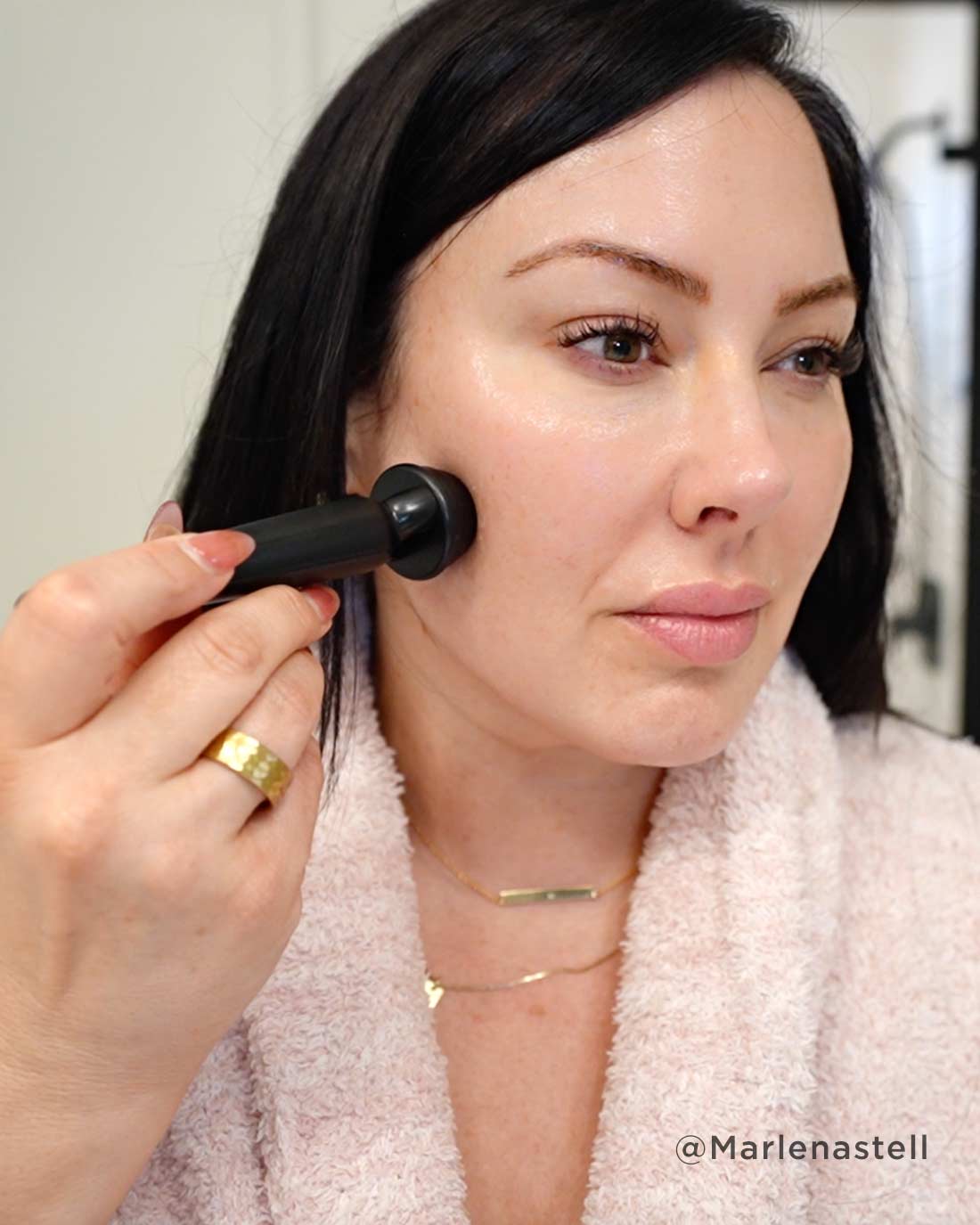
Once breakouts are calmer, , microneedling becomes a more accessible and effective option for the scars that acne leaves behind.
Microneedling works by creating small, controlled channels in the skin that trigger the body's healing response.
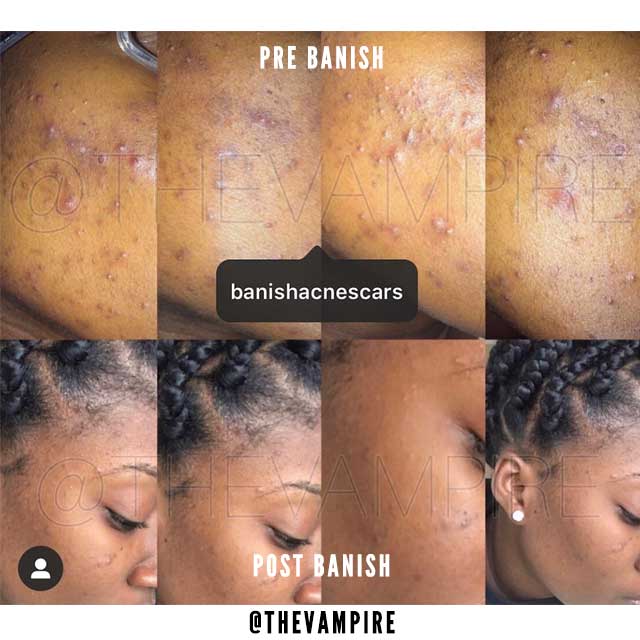
That response includes collagen production, which over a series of treatments can gradually improve the depth and texture of scars. It does not treat active breakouts, and it should not be done on skin that is currently inflamed or broken out. But for the pitting, roughness, and indentation that stay once the acne itself has resolved, it is one of the best evidence-supported at-home options.
Recommended Home Use Tool
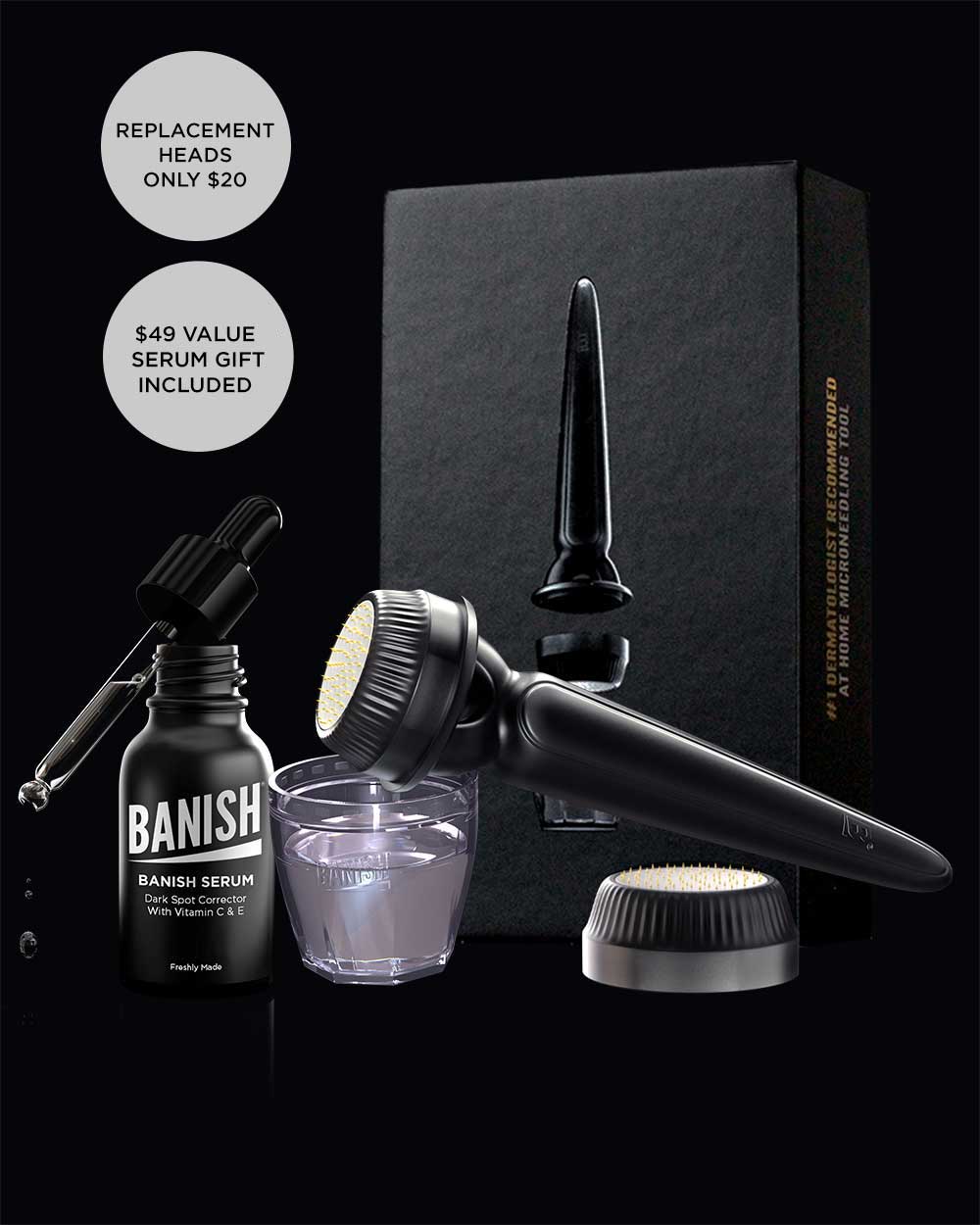
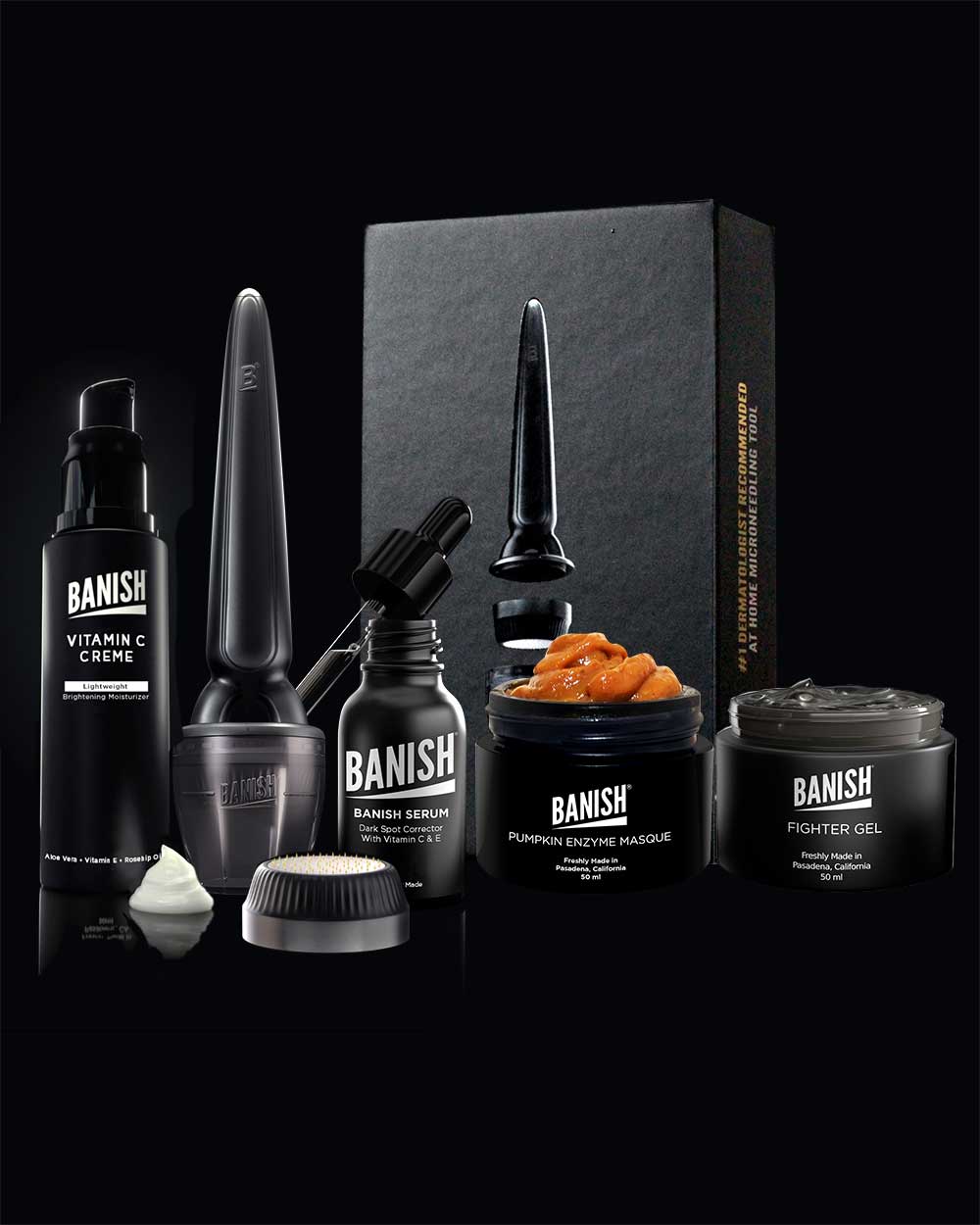
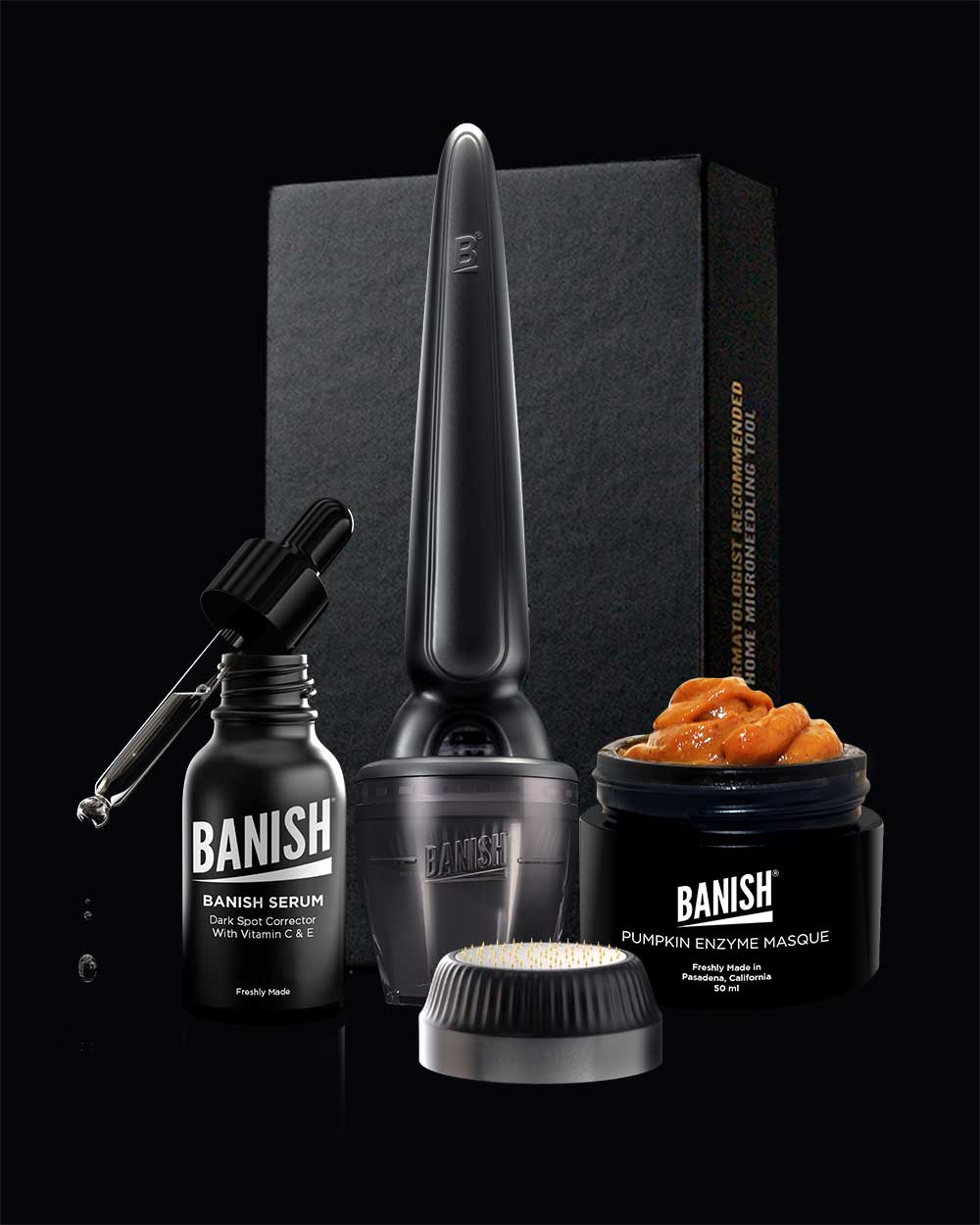
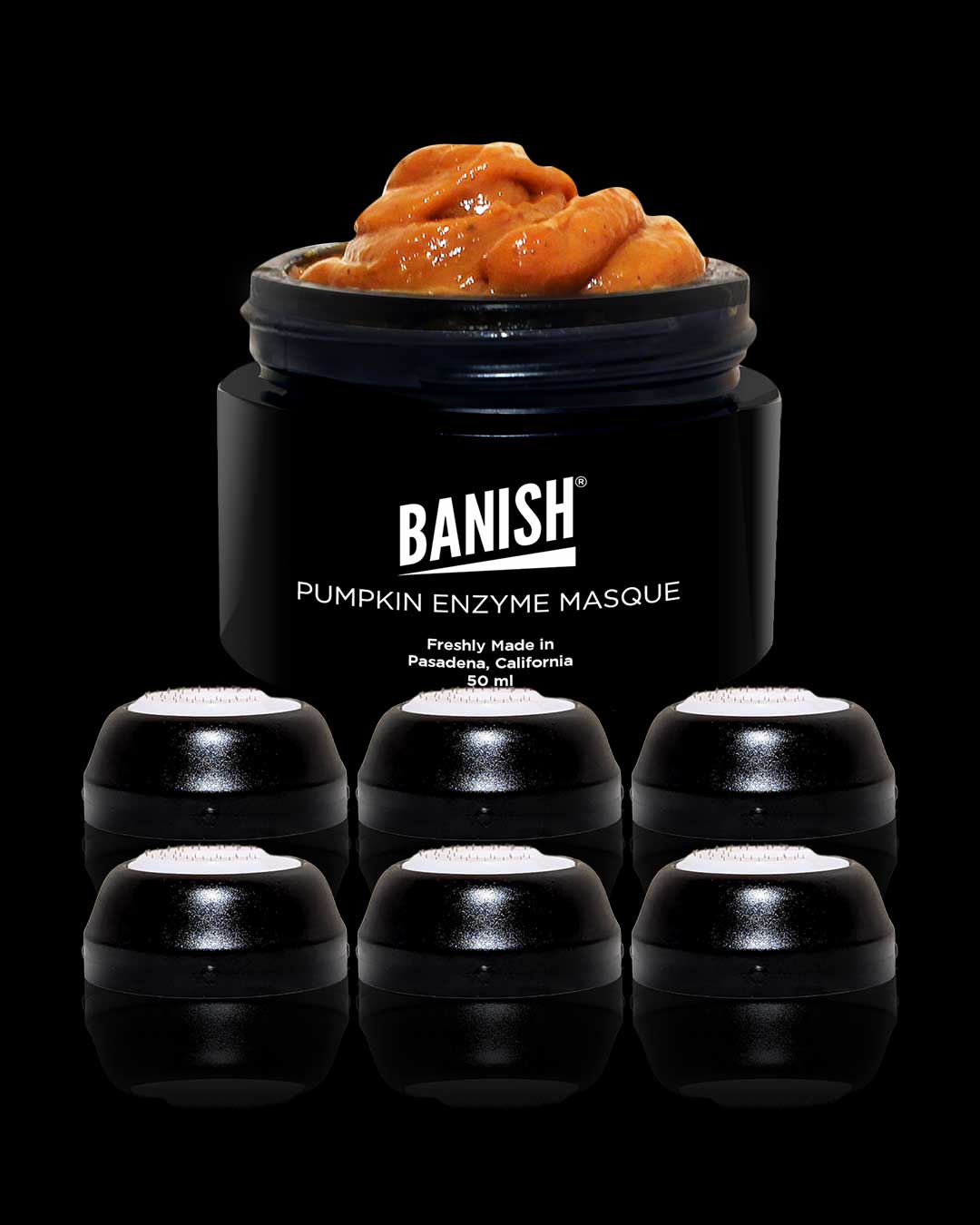
The Banish Kit 3.0 includes the Banisher 3.0, a manual stamping tool with thin gold-plated needles. The stamp design does not drag across the skin the way a motorized pen can, which matters for people with acne-prone or pigment-prone skin where uncontrolled movement can increase the risk of hyperpigmentation.
You can read more about how manual microneedling compares to motorized tools if you are deciding which type of device makes sense for your skin type and comfort level.
For anyone new to at-home microneedling, understanding how often to microneedle is as important as the tool itself. Over-treating slows progress and increases irritation risk.
FAQ
Q: How long does it take to see results from dietary changes for acne?
A: Most people notice it between 8 and 12 weeks of consistent changes. Acne cycles are slow so give any dietary change at least two full months before drawing conclusions.
Q: Is skim milk worse for acne than whole milk?
A: Research shows that skim and low-fat milk are more strongly associated with acne than whole milk. The reason is that removing the fat concentrates the whey proteins, which activate sebum-promoting signaling in the skin.4 Whole milk is not necessarily safe for everyone with acne-prone skin, but skim milk appears to carry more risk.
Q: Can diet clear up existing acne scars?
A: No. An anti-acne diet can reduce breakouts and lower inflammation, but it cannot repair the collagen loss, texture change, or depressed areas caused by past acne. Acne scars are a structural issue in the skin that requires collagen-stimulating treatments to address.
Q: Should I take probiotics for acne?
A: Current evidence suggests oral probiotics may modestly reduce acne counts1 It's something you can consider adding especially if you have recently used antibiotics or have digestive symptoms alongside your skin issues.
Q: What is the gut-skin axis and why does it matter for acne?
A: The gut-skin axis describes the two-way relationship between gut microbiome health and skin health. When the gut microbiome is disrupted by poor diet, antibiotic use, or chronic stress, it can increase inflammation throughout the body, including in the skin.7 Supporting gut health through fermented foods, fiber, and reducing processed foods can help address acne from the inside.
Q: Do I need to cut all sugar to improve acne?
A: Not exactly, specifically it is high-glycemic foods that's the issue, not all sugar across the board. Whole fruit contains natural sugar alongside fiber, which changes how quickly it raises blood sugar. The bigger targets are refined carbohydrates and ultra-processed foods, not natural sugars in their original form like whole fruits.
Q: Can whey protein supplements cause acne?
A: Research suggests an association. A 2024 case-control study found that 47 percent of participants in the acne group were taking whey protein supplements compared to 27.7 percent in the control group without acne.3 If you are taking whey protein and dealing with acne, eliminating it for 4 to 6 weeks is worth testing. Pea protein or other plant-based proteins are alternatives that do not carry the same risk.
Q: Does everyone respond the same way to an anti-acne diet?
A: No. Individual responses to diet changes vary significantly. While it benefits a large percentage of people, not every person who cuts dairy will see their acne improve. The elimination and rechallenge method works because it tests your individual response rather than making a best guess based on what has worked for several others.
Q: How do I know if my acne is hormonal versus diet-related?
A: They are often connected. Hormonal acne tends to pop up along the jawline, and worsen before menstrual cycles, or other key hormonal changes. But high-glycemic foods and dairy both amplify androgen hormones and IGF-1 signaling, which means diet can worsen hormonal acne even when it is not the root cause. If an elimination diet of dairy or high glycemic foods doesn't make a difference, most likely it is hormonal based.
References
- Tjiu JW, Lu CF. Oral Probiotics in Acne vulgaris: A Systematic Review and Meta-Analysis of Double-Blind Randomized Clinical Trials. Medicina (Kaunas). 2025;61(12):2152.
- Rethinking Acne Vulgaris: The Gut-Skin Axis as a Central Mechanism and Therapeutic Target. Applied Sciences. 2026;16(9):4527.
- Muhaidat N et al. The Effect of Whey Protein Supplements on Acne Vulgaris among Male Adolescents and Young Adults: A Case-Control Study from North of Jordan. Dermatology Research and Practice. 2024.
- Milk and Skin: A Narrative, Integrative Review of Dairy and Dairy Substitutes Through the Lens of Cutaneous Inflammation. Journal of Integrative Dermatology.
- Effect of a Low-Glycemic-Load Diet and Dietary Counseling on Acne Vulgaris Severity Among Female Patients Aged 15 to 35 Years. Cureus.
- Telkkala et al. Etiology of Adult Female Acne: Systematic Review. Health Science Reports. 2025.
- The Mechanism and Research Progress of Skin Microbiota in Pathogenesis of Acne. Dermatology Research and Practice. 2025.
- Review of Omega-3 Fatty Acid Dietary Supplementation in Cutaneous Inflammatory Disorders. Journal of Integrative Dermatology.
- Burckhardt-Bravo V, Funes-Ferrada R, Valenzuela F. Update on novel acne treatments: a narrative review focused on microbiome modulation and non-pharmacological approaches. An Bras Dermatol. 2026;101(1).
- Melnik BC, Schmitz G. Role of insulin, insulin-like growth factor-1, hyperglycaemic food and milk consumption in the pathogenesis of acne vulgaris. Exp Dermatol. 2009;18(10):833-41.














Leave a comment
All comments are moderated before being published.
This site is protected by hCaptcha and the hCaptcha Privacy Policy and Terms of Service apply.