
How to Minimize Pores: What Actually Works (Backed by Science)
Quick Answer
You cannot permanently shrink your pores. Their size is mostly determined by genetics and your skin’s natural structure. What you can do is make them look much smaller by controlling oil, clearing buildup, supporting collagen, and protecting your skin from sun damage.
The ingredients with the strongest evidence for improving pore appearance are niacinamide, glycolic acid, salicylic acid, retinoids, and vitamin C. When used consistently alongside daily sunscreen, they can reduce look of enlarged pores.
What Pores Actually Are (And Why Yours Look Bigger)
Pores are tiny openings on your skin that release oil from sebaceous glands. They help keep your skin hydrated and protected. Everyone has them.
Some pores look larger because of three main factors:
- Excess oil production
- Loss of skin firmness and elasticity
- Clogging from dead skin and debris
Genetics also play a big role. Studies show pore size can vary significantly between individuals, even up to several times larger depending on genetic background.[1] This is why no product can completely change your natural baseline.
What you can control is how visible your pores look day to day.
The Truth About “Opening” and “Closing” Pores
Pores do not open and close. They do not have muscles.
Steam, ice, or cold water might temporarily change how your skin feels, but they do not alter pore size. Steam can soften buildup inside pores, which may help with extractions, but it does not shrink them.
Pore strips also do not fix the problem. They remove surface debris but do nothing to prevent pores from filling back up. Overuse can irritate your skin and make pores look worse over time.
Sebaceous filaments, which are often mistaken for blackheads, are normal and will always return. They are part of how your skin moves oil to the surface.
Why Pores Become More Noticeable Over Time
Pores tend to look larger as you age due to a combination of:
- Collagen loss which weakens the structure around pores
- Sun damage which breaks down collagen faster
- Chronic congestion from oil and buildup stretching the pore walls
UV exposure is one of the biggest contributors. It not only breaks down collagen but also thickens the skin around pores, making them stand out more.[7]
The Ingredients That Actually Improve Pore Appearance
Niacinamide
Niacinamide is one of the most effective and easiest ingredients to use for pores. It helps reduce oil production and improves skin structure at the same time.
Clinical studies show that concentrations between 2% and 5% can visibly reduce oil levels and improve pore appearance within a few weeks.[2][3] It is also gentle, making it a good option for sensitive or acne-prone skin.
Glycolic Acid
Glycolic acid, an alpha hydroxy acid (AHA), works by exfoliating the surface of the skin, helping to remove dead skin cells that can contribute to clogged and enlarged pores. It also stimulates collagen production, which can improve skin texture and reduce the appearance of pore size over time.[8] Consistent use can lead to brighter, smoother skin and a reduction in follicular pore size.
Salicylic Acid
Salicylic acid is oil-soluble, which means it can get inside the pore and clear out buildup.
It works by dissolving dead skin cells and excess oil that stretch pores over time. Research shows consistent use can reduce oil levels and improve overall skin texture and clarity.[4]
If clogged pores are your main concern, this is one of the most targeted ingredients you can use.
Retinoids and Retinol
Retinoids improve pore appearance by increasing cell turnover and boosting collagen production.
This helps keep pores clear while also strengthening the skin around them so they appear tighter and more refined over time. Studies show improvements in skin texture and visible pore size after consistent use.[5]
Start slowly, using it a couple nights per week, then increase as your skin adjusts.
Vitamin C
Vitamin C supports collagen production and protects against environmental damage that makes pores look larger.[6]
It works as an antioxidant and helps maintain the structure of your skin over time. Using L-ascorbic acid in the morning under sunscreen adds another layer of protection against collagen breakdown.
Fresh, properly stored vitamin C is important. Once it oxidizes, it becomes less effective.
A Simple Routine That Works
Morning
- Gentle cleanser
- Niacinamide (optional)
- Vitamin C serum
- Broad-spectrum SPF 30 or higher
Sunscreen is essential. Without it, collagen breakdown continues and pore visibility gets worse over time.[7]
Evening
- Cleanser
- Salicylic acid or glycolic acid (2 to 3 nights per week)
- Retinol on alternate nights
- Moisturizer
Keep your routine simple and consistent. More products do not mean better results.
What Is Not Worth Your Time
- Pore strips: temporary results and can damage your skin barrier
- Harsh scrubs: can irritate skin and increase oil production
- DIY treatments: often disrupt skin balance and cause breakouts
- Cold tools: Create a temporary pore minimizing effect
Other Treatments To Consider
If your routine is consistent for a few months and you want more improvement, professional treatments can help.
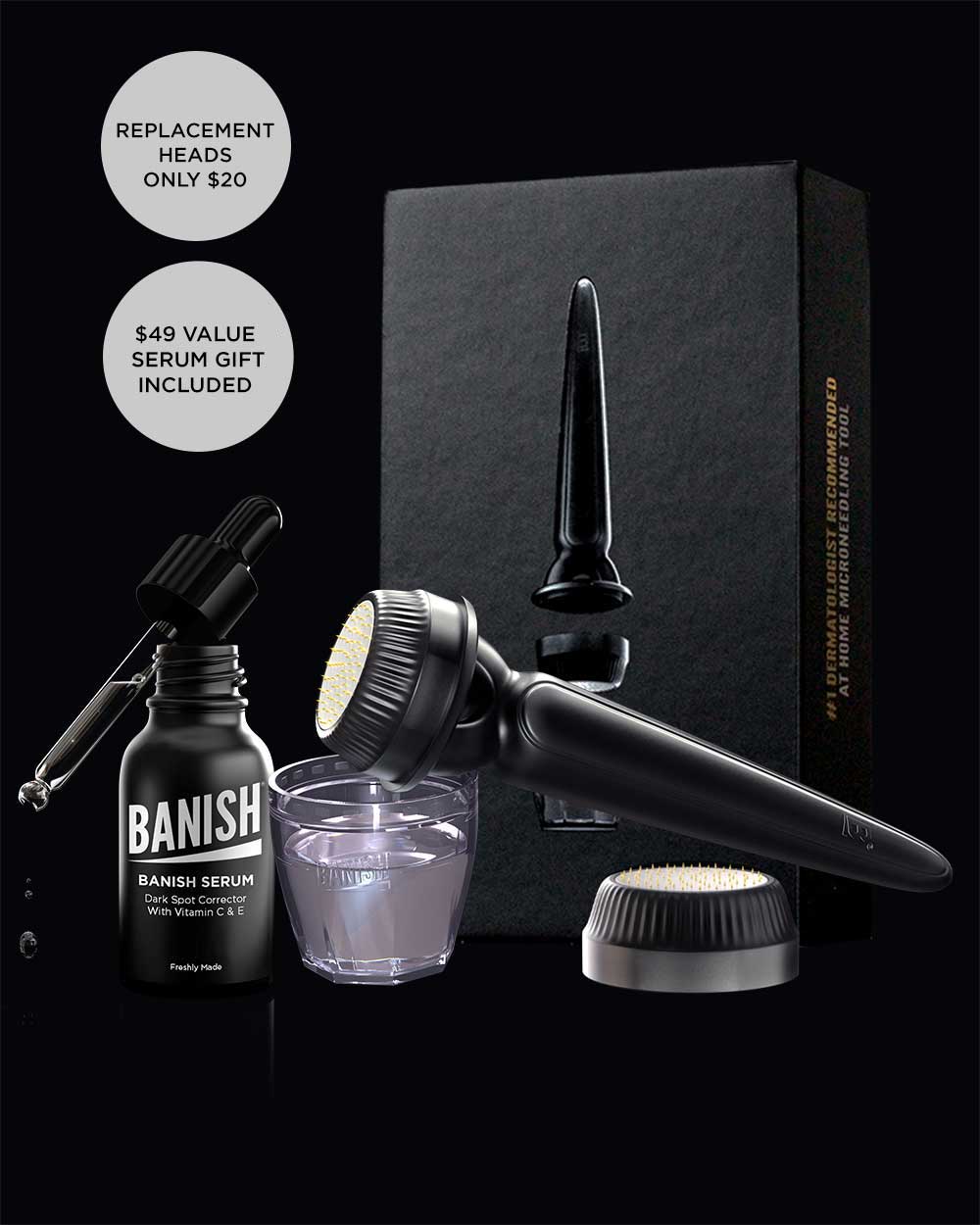
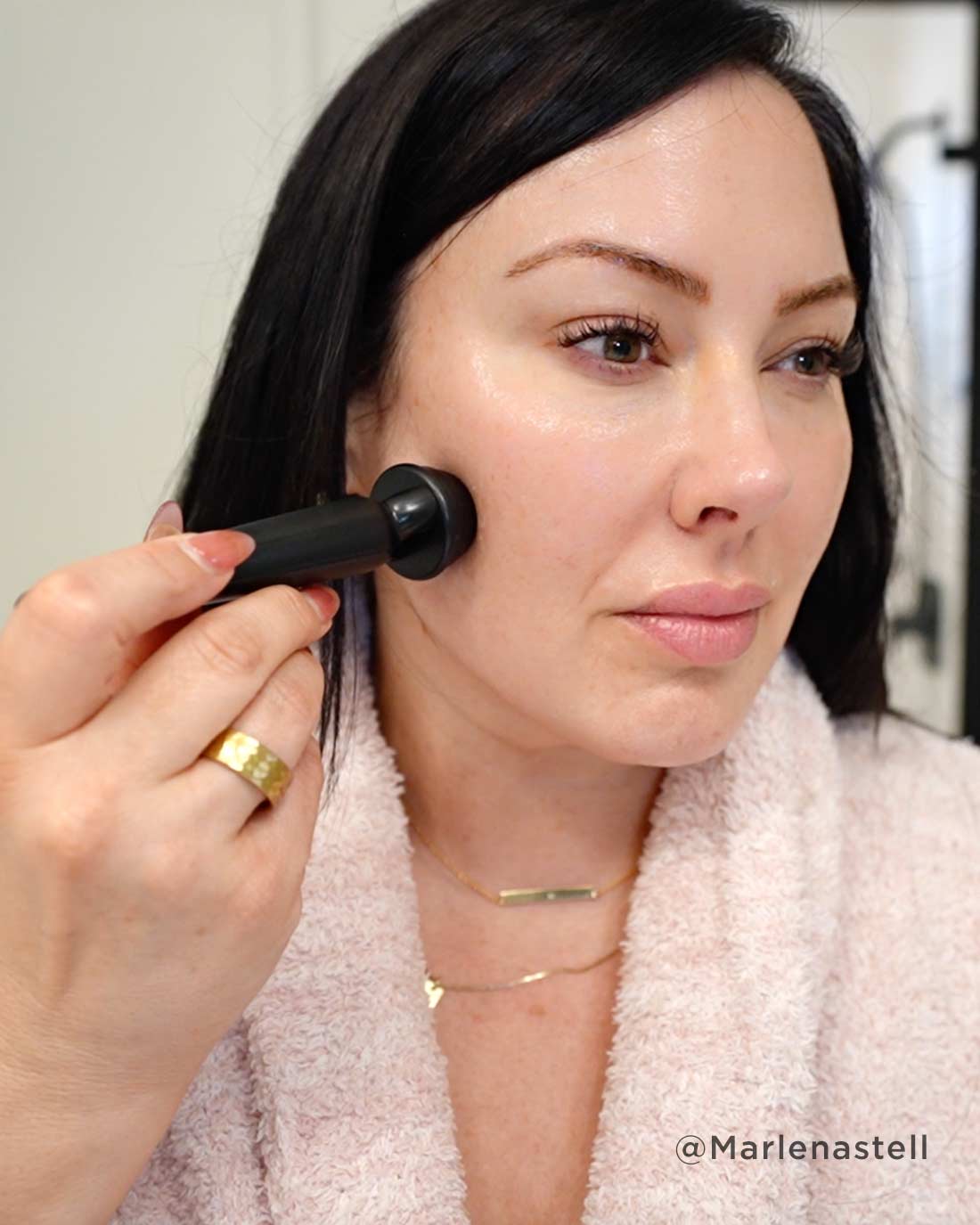
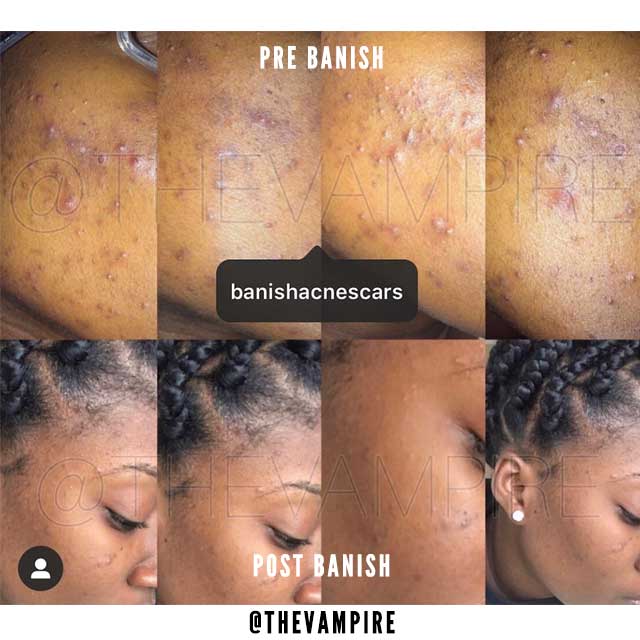
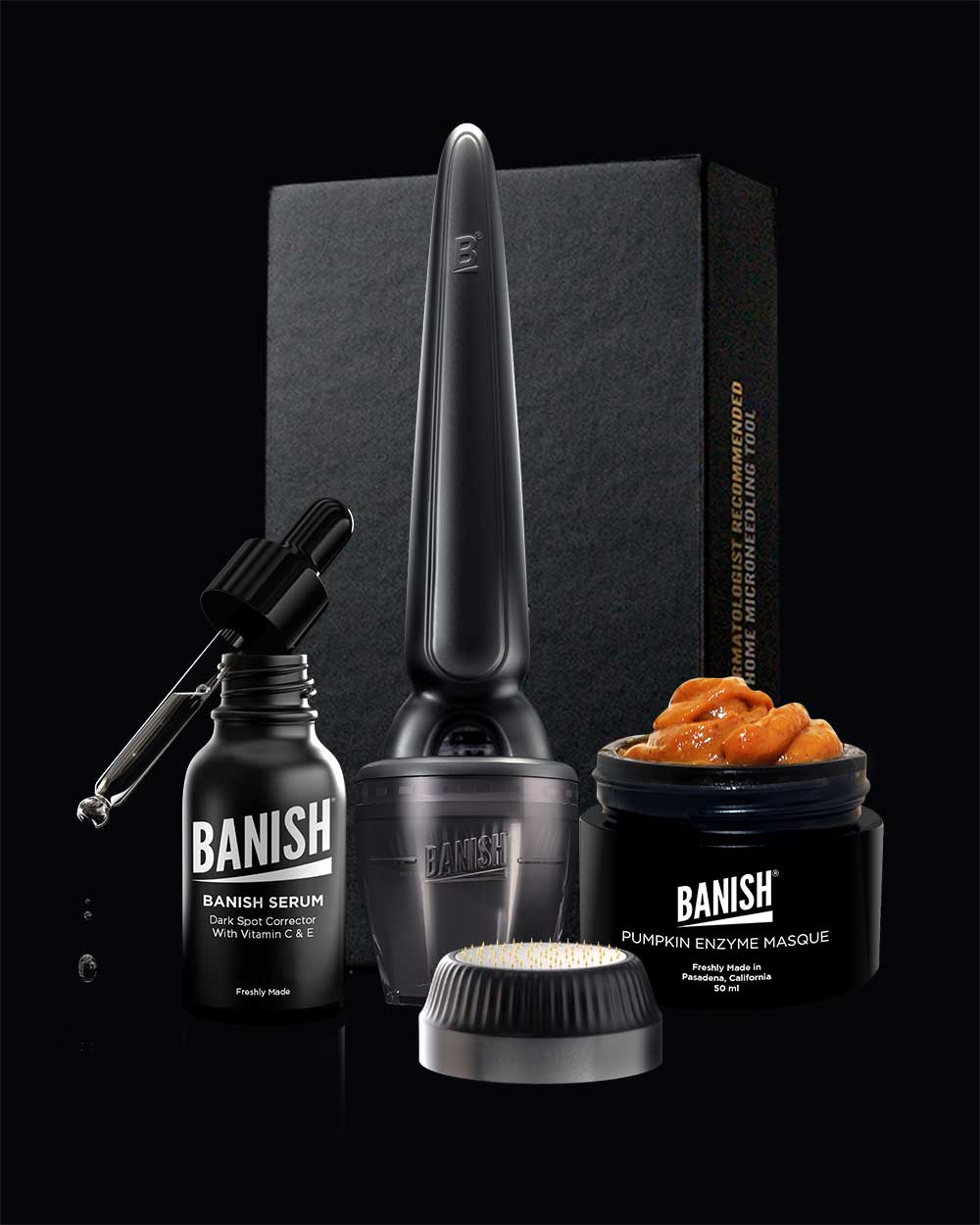
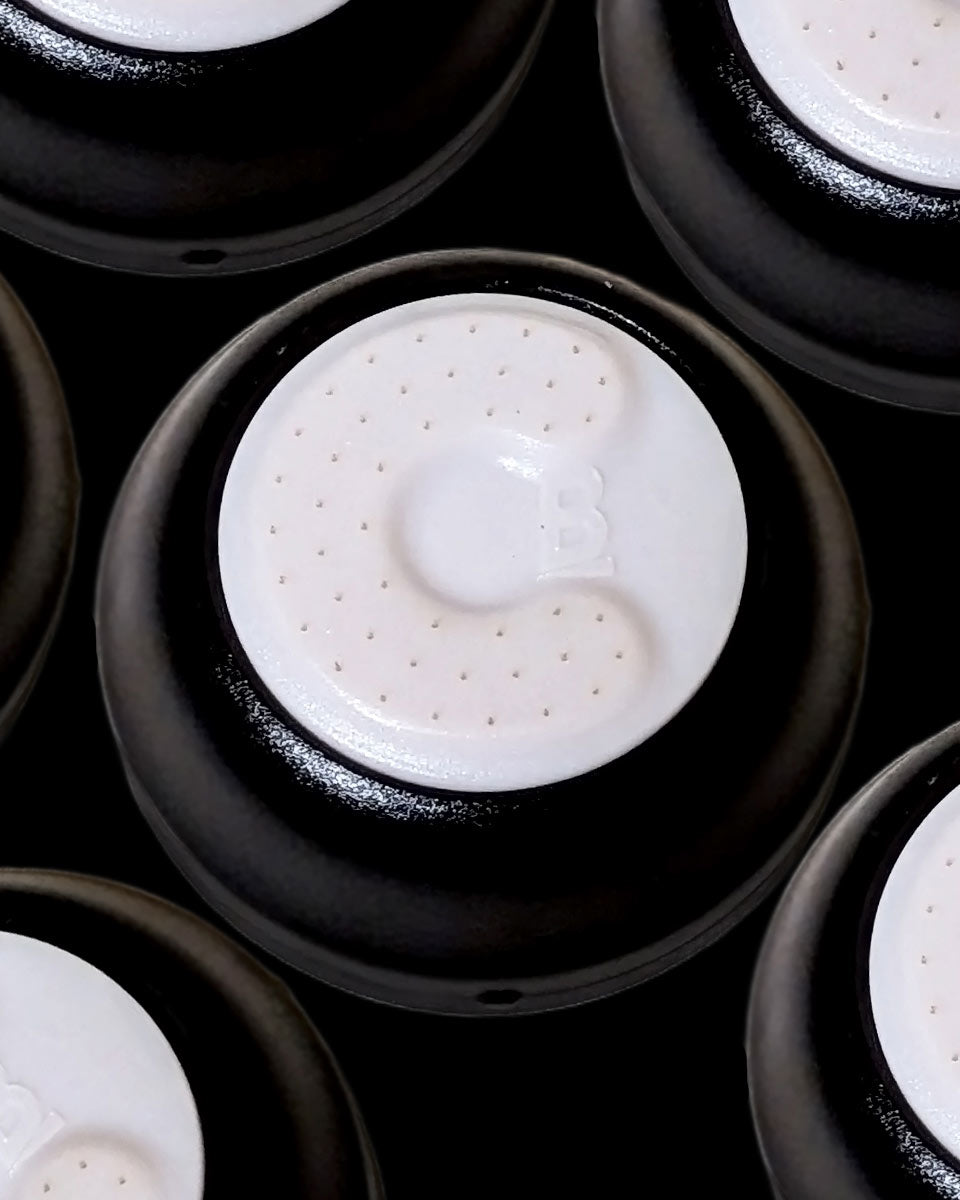
- Microneedling: stimulates collagen to improve skin texture and pore appearance. Home microneedling can be done at shorter 0.5mm lengths with a stamper tool like the Banisher 3.0
- Chemical peels: Reduces build up and clears out pores.
- Laser treatments: In office treatments to target deeper layers for more significant changes
These work best when paired with a consistent at-home routine.
FAQ
Can you permanently shrink pores?
No. Pore size is mostly genetic. You can make them look smaller by keeping them clear and supporting the collagen around surrounding skin.
What works best for oily skin?
Niacinamide and glycolic acid are an effective combination. One reduces oil production, the other clears buildup inside pores.
Do pores get bigger with age?
Yes. As collagen decreases, pores lose structure and appear larger. Sun exposure speeds this up.
How long does it take to see results?
Most people start noticing improvement within 4 to 8 weeks with consistent use of the right ingredients.
Bottom Line
You cannot erase your pores, but you can control how visible they look.
Focus on three things: keeping pores clear, supporting collagen, and protecting your skin from the sun. Stick with it, and your skin will look smoother, more even, and noticeably refined over time.
References
- Flament, F., François, G., Qiu, H., Ye, C., Hanaya, T., Batisse, D., Cointereau-Chardon, S., Seixas, M. D. G., Dal Belo, S. E., & Bazin, R. (2015). Facial skin pores: a multiethnic study. Clinical, Cosmetic and Investigational Dermatology, 8, 85–93. https://doi.org/10.2147/CCID.S74401
- Draelos, Z. D., Matsubara, A., & Smiles, K. (2006). The effect of 2% niacinamide on facial sebum production. Journal of Cosmetic and Laser Therapy, 8(2), 96–101. https://doi.org/10.1080/14764170600717704
- Boo, Y. C. (2021). Mechanistic Basis and Clinical Evidence for the Applications of Nicotinamide (Niacinamide) to Control Skin Aging and Pigmentation. Antioxidants, 10(8), 1315. https://doi.org/10.3390/antiox10081315
- Liu, Y., Dan, Y., Yang, J., He, X., Liu, J., Yi, Y., Chen, X., Yin, X., Song, W., Niu, Y., Zheng, Y., & Ai, Y. (2025). Clinical Efficacy of a Salicylic Acid–Containing Gel on Acne Management and Skin Barrier Function: A 21-Day Prospective Study. Journal of Cosmetic Dermatology, 24(7), e70353. https://doi.org/10.1111/jocd.70353
- Mukherjee, S., Date, A., Patravale, V., Korting, H. C., Roeder, A., & Weindl, G. (2006). Retinoids in the treatment of skin aging: an overview of clinical efficacy and safety. Clinical Interventions in Aging, 1(4), 327–348. https://doi.org/10.2147/ciia.2006.1.4.327
- Pullar, J. M., Carr, A. C., & Vissers, M. C. M. (2017). The Roles of Vitamin C in Skin Health. Nutrients, 9(8), 866. https://doi.org/10.3390/nu9080866
- Cleveland Clinic. (2022). Sun-damaged Skin: Photoaging, Signs, Causes & Treatment. https://my.clevelandclinic.org/health/diseases/5240-sun-damage-protecting-yourself
- Sharad, J. (2013). Glycolic acid peel therapy – a current review. Clinical, Cosmetic and Investigational Dermatology, 6, 281–288. https://doi.org/10.2147/CCID.S34029












Leave a comment
All comments are moderated before being published.
This site is protected by hCaptcha and the hCaptcha Privacy Policy and Terms of Service apply.