

What Causes Adult Acne? The Real Triggers to Look At First
Adult acne is a lot more common than people think. It can keep going long after your teen years, or show up for the first time in your 20s, 30s, 40s, and beyond. Dermatologists note that adult acne is especially common in women, and hormone shifts are one of the biggest reasons why.1
A lot of older acne advice makes it sound like breakouts come from being careless, eating one “bad” food, or not washing your face enough. That is not really how adult acne works. Current acne guidelines describe acne as a chronic inflammatory skin condition, which is one reason it can be stubborn and why it often takes a more thoughtful routine to calm it down.2
If you are trying to figure out what is actually driving your breakouts, these are the causes worth looking at first.
Related: What It’s Like Living With Adult Acne
1. Hormones are still one of the biggest causes of adult acne
Hormones are one of the first things to look at, especially if your acne flares around your period, shows up mostly on the jawline and chin, or started after coming off birth control. The American Academy of Dermatology lists hormone fluctuations as one of the main reasons adults, especially women, continue to break out.1
This does not automatically mean you have a hormone disorder. But if your acne comes with irregular cycles, excess facial hair, scalp hair thinning, or sudden worsening, it is worth talking with a doctor or dermatologist instead of guessing. PCOS is one possible cause, but not the only one.3
One thing that has changed is that hormonal acne is now discussed more directly in treatment guidelines. For the right patient, dermatologists may consider options like combined oral contraceptives or spironolactone, along with topical treatment.4
2. Diet is not the whole story, but it is not a myth either
For years, people were told diet has nothing to do with acne. That is outdated. More recent reviews support a link between acne and higher glycemic load eating patterns, meaning diets heavy in fast-digesting carbs and frequent blood sugar spikes may worsen breakouts in some people. Dairy may also be a trigger for some, though not everyone.5
The more useful takeaway is not that you need a perfect diet. It is that patterns matter. If your meals are heavy in sugary drinks, ultra processed snacks, white bread, or desserts, that is worth paying attention to. The same goes for milk or whey protein if your acne seems stubborn for no obvious reason.56
Whey protein is one of the more overlooked acne triggers. Newer research still supports an association between whey protein intake and acne risk in some people, which is why it is worth bringing up in an adult acne article instead of pretending it is too niche to matter.6
3. A damaged skin barrier can keep acne hanging around
This is one of the biggest things a lot of acne content still misses. Some adults are not breaking out because they are doing too little. They are breaking out because they are doing too much.
Over-cleansing, harsh scrubs, layering too many acids, using strong treatments too often, and trying every viral acne product at once can all irritate the skin barrier. Newer reviews on acne and barrier dysfunction suggest that acne-prone skin often has measurable barrier impairment, which can make inflammation and irritation worse.7
That is why adult acne routines usually do better when they are simple and consistent. A gentle cleanser, moisturizer, sunscreen, and one active you can actually tolerate will usually get you further than a shelf full of aggressive products.
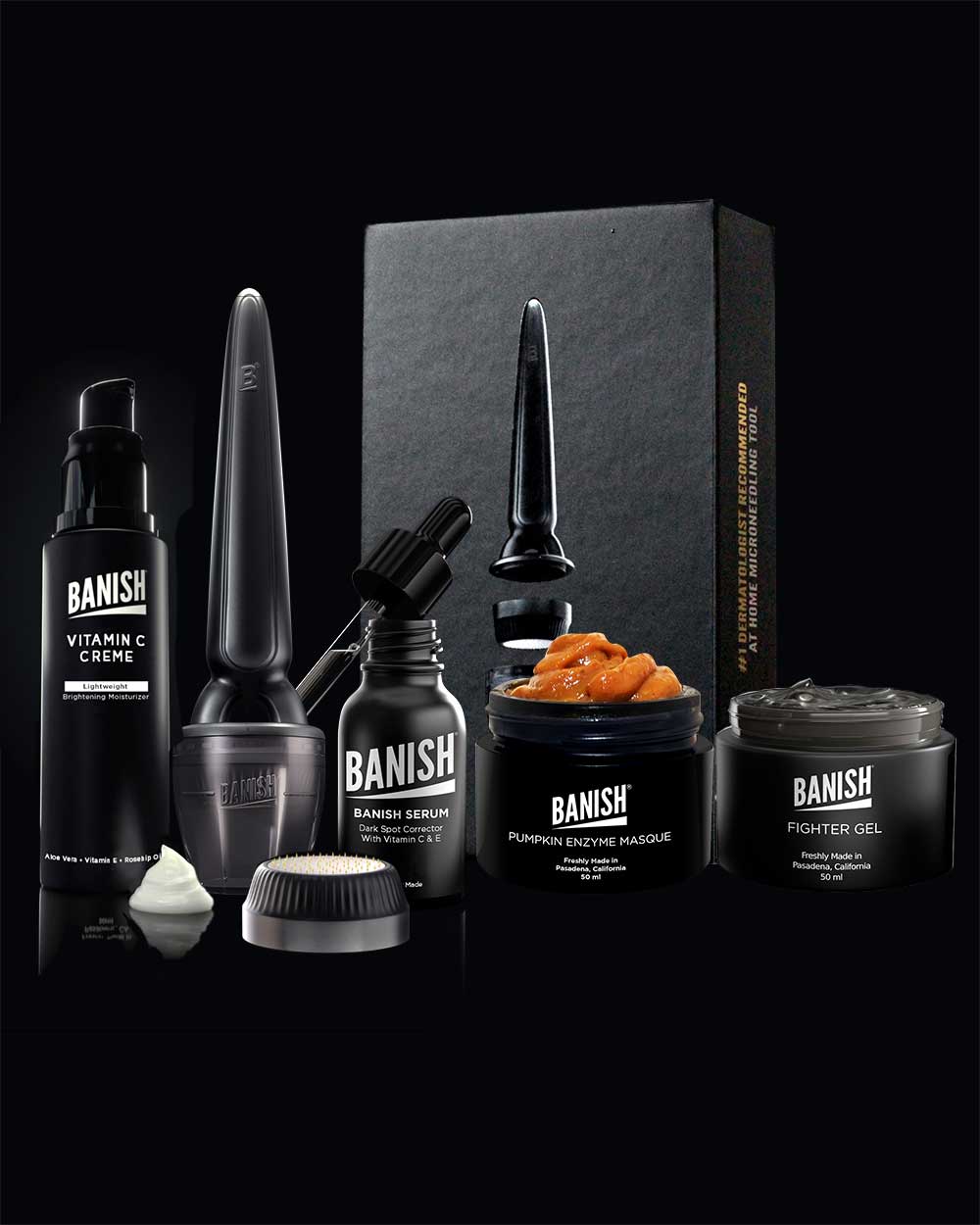
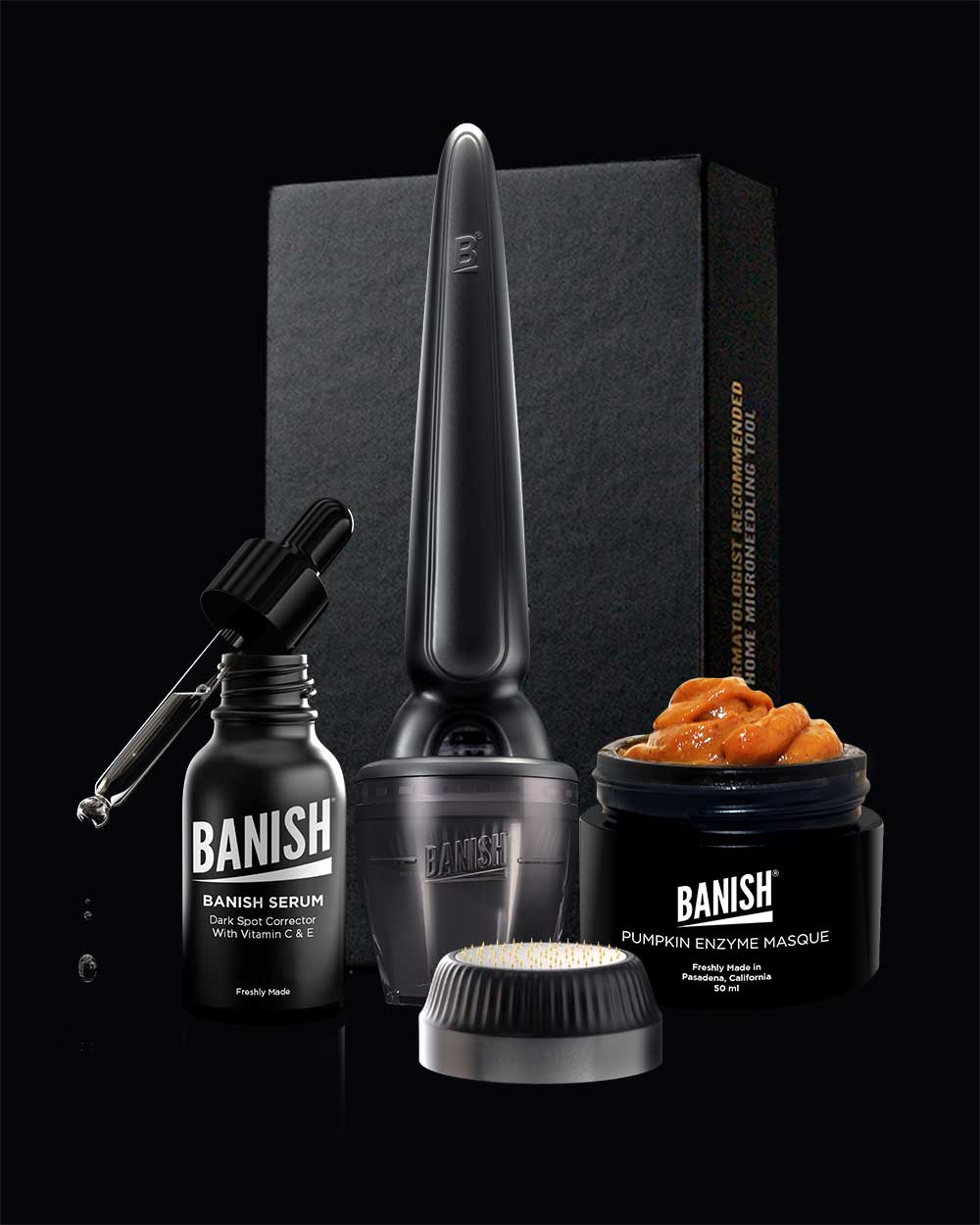
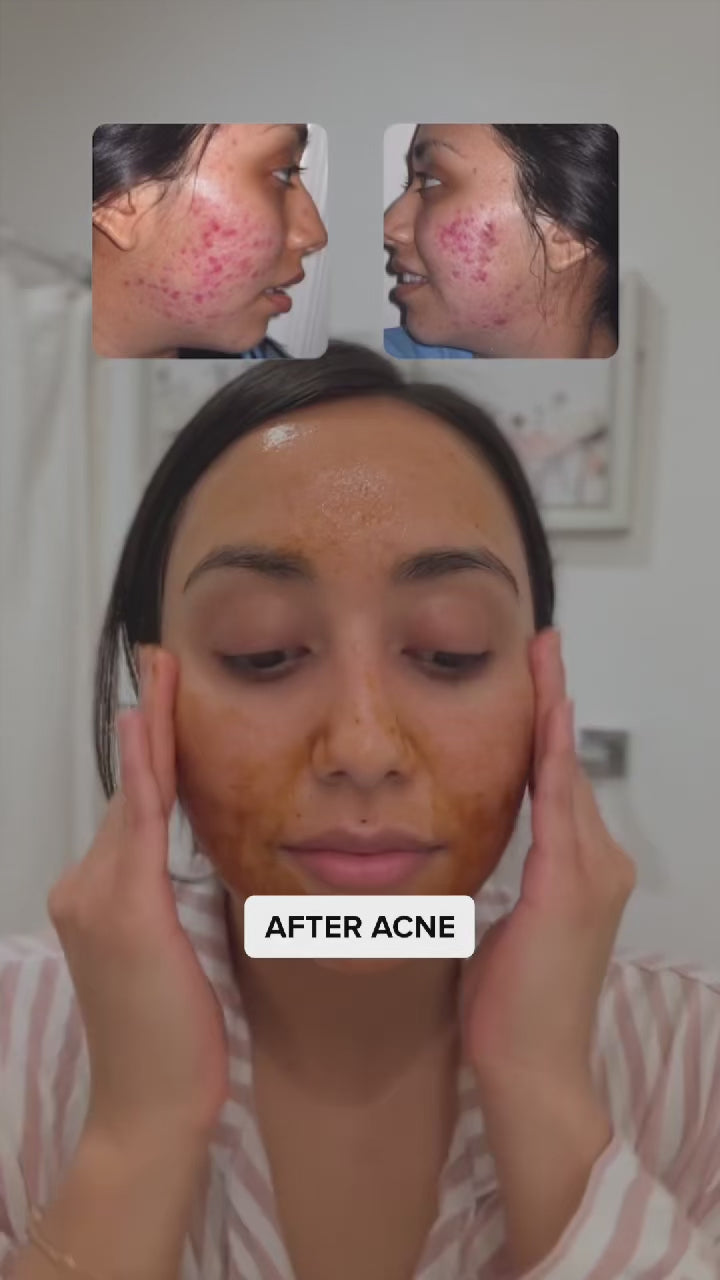
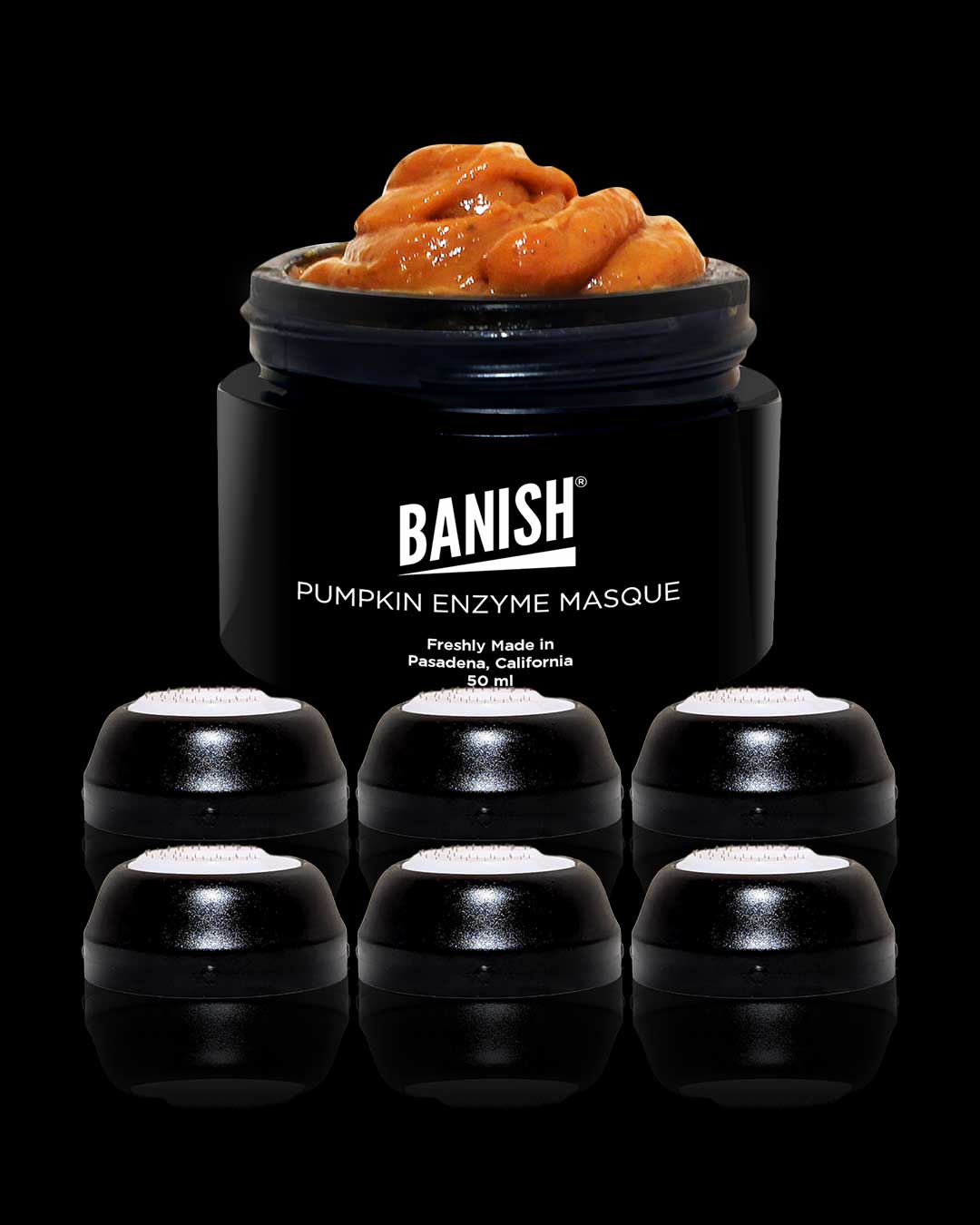
If your skin does well with exfoliation, ingredients like glycolic acid can be useful for rough texture, buildup, and leftover post-acne marks. That is where something like the Banish Pumpkin Enzyme Masque may fit into a routine for some people because glycolic acid is already a well known exfoliating acid in skincare. The key is not to overdo it, especially if your skin is already irritated.27
4. Hair products, makeup, and friction can absolutely trigger breakouts
Sometimes adult acne is not just “hormonal.” Sometimes it is contact-based. Hair oils, pomades, styling products, thick makeup, and products that are hard to fully remove can all contribute to clogged pores in certain areas. Acne researchers have long discussed concepts like acne cosmetica and acne mechanica, which basically means breakouts linked to cosmetics, friction, pressure, heat, and repeated rubbing.89
This is why breakout location matters. Forehead and temple acne should make you look at haircare. Chin or jaw breakouts can sometimes be made worse by helmet straps, masks, collars, hands on your face, or anything rubbing that area all day.9
Phone screens and pillowcases are not usually the main cause of adult acne, but if they are greasy and never cleaned, they can still add to the problem. It is worth being practical about hygiene without turning it into a huge obsession.
5. Pollution, smoking, stress, and sleep all fit into the acne “exposome”
One of the more interesting ideas in newer acne research is the acne exposome. This means the full set of outside and lifestyle exposures that can influence how often acne shows up, how long it lasts, and how severe it gets. That includes pollution, smoking, climate, stress, sleep, skincare habits, diet, and occupational exposures.8
This matters because adult acne often is not caused by one dramatic thing. It is usually a pileup of smaller factors. Recent reviews also support a relationship between air pollution exposure and inflammatory acne in adults.10
Stress and poor sleep are also not fake triggers. They do not cause every breakout, but acne research continues to show meaningful links between acne, stress, and psychosocial burden. Acne itself can also worsen mood and quality of life, which turns into a cycle that can be hard to break.1112
6. What actually helps if you have adult acne
The best acne routine is usually not the most complicated one. Current guidelines strongly support ingredients like benzoyl peroxide and topical retinoids, and they also make it clear that treatment should match both acne severity and skin tolerance.24
Retinoids still matter because they help unclog pores and reduce inflammation, and they are useful for the uneven texture and lingering marks that often come with adult acne too.24
If your skin tolerates retinol well, it can make sense in an adult acne routine, especially if you also care about smoother-looking skin over time. Just do not combine everything at once. If you are already using exfoliating acids, go slower, not harder.
A practical starting point often looks like this:
- Use a gentle cleanser
- Use a non-comedogenic moisturizer and daily sunscreen
- Pick one active and stay consistent with it
- Look for real triggers like cycle changes, whey protein, hair products, and over-exfoliation
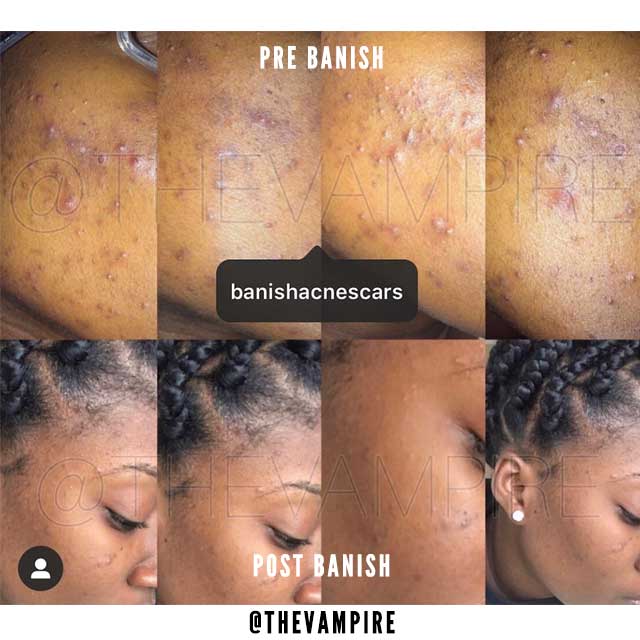
- Get dermatology help sooner if your acne is deep, painful, scarring, or clearly hormona
When to see a dermatologist for adult acne
If your acne is leaving scars, showing up as painful cysts, not responding to over the counter care, or taking a real toll on your confidence, it is worth getting professional help. The 2024 acne guidelines specifically note that acne causing psychosocial burden or scarring should be taken seriously.2
The bottom line
Adult acne is usually not about being dirty or doing skincare “wrong.” It is more often a mix of hormones, inflammation, clogged pores, barrier stress, and everyday triggers like diet patterns, hair products, friction, stress, and pollution.12 8
The good news is that adult acne makes a lot more sense now than it did years ago. Instead of blaming yourself, it is more useful to look for patterns. Where are you breaking out? When does it flare? Is your routine irritating your skin? Did anything change with hormones, supplements, or haircare? Those questions usually get you a lot closer to the real cause than another generic acne article ever will.
References
- American Academy of Dermatology. Adult acne. https://www.aad.org/public/diseases/acne/really-acne/adult-acne
- Reynolds RV, Yeung H, Cheng CE, et al. Guidelines of care for the management of acne vulgaris. Journal of the American Academy of Dermatology. 2024. https://www.jaad.org/article/S0190-9622%2823%2903389-3/fulltext
- Adult female acne review discussing hyperandrogenism and PCOS as possible contributors. https://pmc.ncbi.nlm.nih.gov/articles/PMC11034510/
- American Academy of Dermatology. Updated guidelines for acne management. https://www.aad.org/news/updated-guidelines-acne-management
- Meixiong J, Ricco C, Vasavda C, Ho BK. Diet and acne: A systematic review. 2022. https://pmc.ncbi.nlm.nih.gov/articles/PMC8971946/
- Muhaidat J, et al. The Effect of Whey Protein Supplements on Acne Vulgaris. 2024. https://pmc.ncbi.nlm.nih.gov/articles/PMC11022506/
- Deng Y, et al. Skin Barrier Dysfunction in Acne Vulgaris: Pathogenesis and Repair Strategies. 2024. https://pmc.ncbi.nlm.nih.gov/articles/PMC11650898/
- Dréno B, et al. The influence of exposome on acne. 2018. https://pmc.ncbi.nlm.nih.gov/articles/PMC5947266/
- Review and recent discussion of acne mechanica and friction-related acne. https://pmc.ncbi.nlm.nih.gov/articles/PMC11913915/
- Okeah IR, et al. Impact of environmental pollution on acne: a systematic review. 2025. https://pmc.ncbi.nlm.nih.gov/articles/PMC12867942/
- Tunca M, et al. Stigmatization and Psychosocial Burden in Acne Patients. 2024. https://pmc.ncbi.nlm.nih.gov/articles/PMC11845924/
- Vasam M, et al. Acne vulgaris: A review of the pathophysiology, treatment, and recent nanotechnology-based advances. 2023. https://pmc.ncbi.nlm.nih.gov/articles/PMC10709101/














Leave a comment
All comments are moderated before being published.
This site is protected by hCaptcha and the hCaptcha Privacy Policy and Terms of Service apply.