

If you have been dealing with clogged pores, dull skin, post-acne dark spots, or rough texture and nothing seems to make a real dent, you might be missing a key step: enzyme exfoliation. Specifically, a good pumpkin enzyme mask.
Pumpkin enzyme masks may not be the trendiest product, but people are loyal to using them for a reason. They sit in a sweet spot between gentle and effective, making them one of the most accessible exfoliating treatments for people with oily, acne-prone, or sensitive skin.
And when you pair those natural enzymes with well-chosen supporting ingredients like glycolic acid and vitamin C, you get a product that actually moves the needle on texture, brightness, and congestion.
Below is everything you need to know about how pumpkin enzyme masks work, what the science says, and what to look for in a formula. We will also break down the ingredients in the Banish Pumpkin Enzyme Masque so you know exactly what you are putting on your face and why.
What Is a Pumpkin Enzyme Mask?
A pumpkin enzyme mask is a type of chemical exfoliant that uses naturally occurring proteolytic enzymes derived from pumpkin fruit (Cucurbita pepo) to break down the keratin protein bonds that hold dead skin cells to the surface of your skin.
Unlike a scrub, which physically exfoliates the skin, or a strong acid peel, which can sting and irritate, enzyme exfoliants work more gently. They essentially digest the "glue" holding dull, dead cells on the surface and let them shed away, revealing fresher, smoother skin underneath.
For people whose skin gets easily irritated by acids or who want to start working exfoliation into their routine without a steep learning curve, enzyme-based exfoliants are an excellent entry point.
That said, the best pumpkin enzyme masks do not rely on enzymes alone. Combining them with AHAs like glycolic acid, antioxidants like vitamin C, and calming botanicals dramatically increases what the formula can do for your skin.

The Science Behind Pumpkin Enzymes
Pumpkin (Cucurbita pepo) contains naturally occurring proteases, which are enzymes that break down proteins. According to research published in Cosmetics and Toiletries, as the plant matures, it begins a natural self-degradation process driven by these proteases, which break down peptide bonds into amino acids.
When applied on the skin, these same proteolytic enzymes can safely dissolve dead skin proteins on the stratum corneum (uppermost layer of skin) without affecting healthy living tissue below.
A study found that topically applied proteolytic enzymes not only improved skin texture and tone at the surface level but also helped increase the firmness and thickness of the dermis, the skin's middle layer.1 That is a bigger deal than it sounds. It means enzyme exfoliation does more than just buff away dead cells. It can support the structural integrity of skin over time.
Research has also documented that Cucurbita pepo contains antioxidants, anti-inflammatory compounds, and wound-healing properties.
A 2021 study found that pumpkin extract significantly reduced pro-inflammatory cytokines including TNF-alpha, IL-6, and COX-2 when applied topically, supporting its role as a calming ingredient for reactive or acne-prone skin.7
Additionally, pumpkin is naturally rich in vitamins A, C, and E, beta-carotene, zinc, and unsaturated fatty acids. These nutrients contribute to its ability to support collagen synthesis, as noted in research published in Lipids in Health and Disease.6
What Can a Pumpkin Enzyme Mask Actually Do for Your Skin?
1. Effective Exfoliation Without Irritation
Dead skin cell buildup is one of the most common and underappreciated causes of dull, congested skin. When that layer accumulates, it dulls your complexion, traps oil and debris in pores, and makes it harder for your other skincare products to penetrate effectively.
Pumpkin enzymes dissolve the keratin protein bonds holding those dead cells in place, which is why skin looks noticeably brighter and smoother after just one use. Because the enzymes stay on the surface and do not penetrate into living tissue, this type of exfoliation is typically well-tolerated even by people who find physical scrubs or strong acids too aggressive.
2. Decongesting Pores and Preventing Breakouts
Clogged pores are one of the primary drivers of blackheads and acne. When dead skin cells, excess oil, and debris accumulate inside the pore lining, they create the ideal environment for acne-causing bacteria to thrive. Regular enzyme exfoliation removes that buildup before it can become a problem.
Pumpkin seed extract also contains zinc, a mineral known to regulate sebum production and support hormonal balance in the skin, both of which are relevant for oily and acne-prone skin types. Zinc's role in acne management is well documented in the dermatology literature.10
3. Fading Post-Acne Dark Spots and Hyperpigmentation
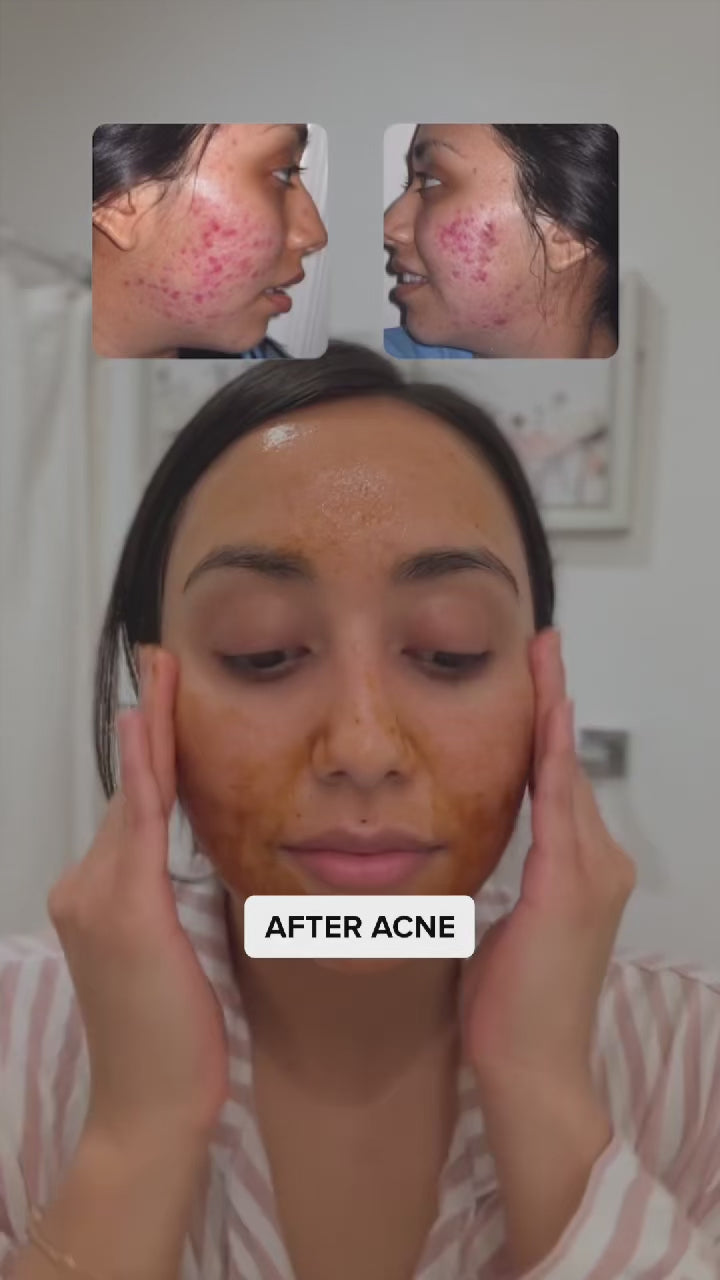
This is one of the most common skin concerns from people dealing with acne. The breakout clears, but it leaves behind a dark mark that can linger for months. Post-inflammatory hyperpigmentation (PIH) forms when the skin overproduces melanin in response to inflammation.
Enzyme exfoliants help here because they accelerate cell turnover, which means melanin-containing cells shed faster. Pumpkin's naturally high vitamin A (beta-carotene) and vitamin C content further support this. Vitamin C is a well-documented inhibitor of melanin synthesis, working at the tyrosinase pathway to slow down pigment production.
When you add glycolic acid to the formula, the brightening effect gets a meaningful boost. Glycolic acid has been clinically shown to reduce post-inflammatory hyperpigmentation and improve skin luminosity.2 Research also demonstrated glycolic acid peels were effective for post-acne scarring and hyperpigmentation.3
4. Smoother Skin Texture
Rough, uneven texture is another issue enzyme exfoliants address directly. By removing the outermost layer of dead cells, pumpkin enzyme masks reveal the newer, smoother skin underneath.
Over time, regular exfoliation also supports healthier cell turnover, so the skin renews itself more efficiently on its own.
5. Brighter Complexion
Skin that has been exfoliated reflects light better, which is the physical reason for that "glow" you hear people talk about after using a good mask.
The vitamin C and antioxidant content in pumpkin contribute to longer-term brightness by combating free radical damage and supporting even skin tone.
6. Better Absorption of Your Other Skincare Products
A layer of dead skin cells acts as a physical barrier that reduces how well your serums, moisturizers, and treatments can penetrate.
By clearing that layer, enzyme exfoliation increases the absorption and effectiveness of everything else in your routine. If you are using a vitamin C serum, peptides, retinol, exosomes, or any other active ingredient, exfoliating beforehand can make a real difference in how well those products perform.
What Makes the Banish Pumpkin Enzyme Masque Different
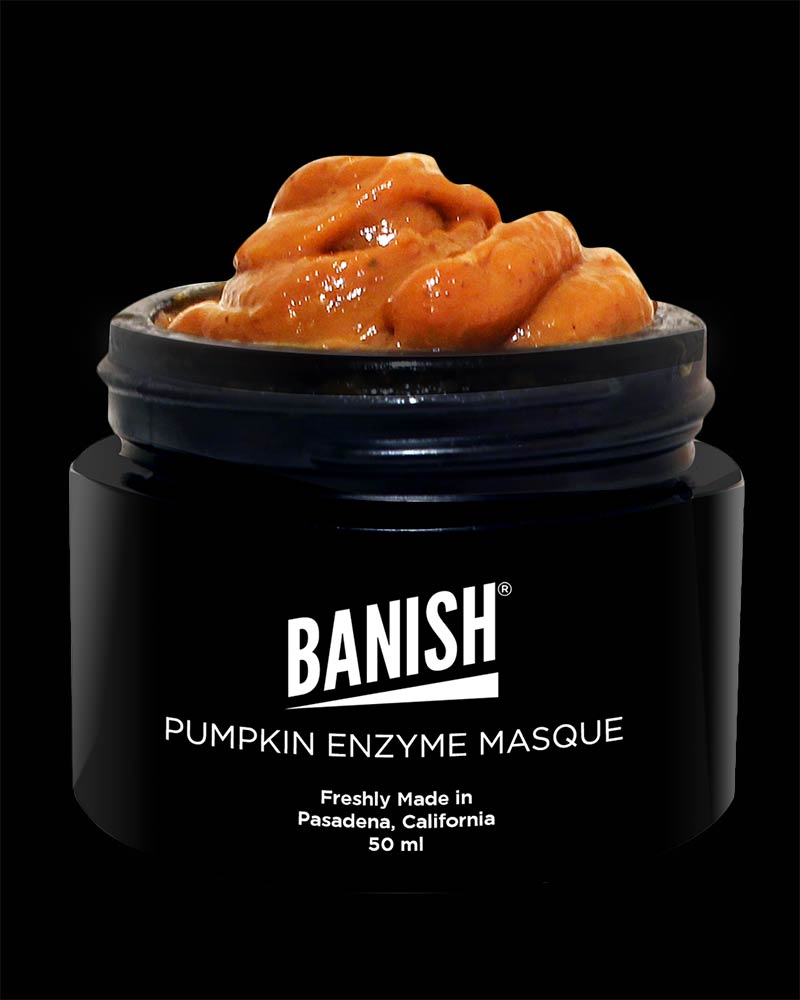
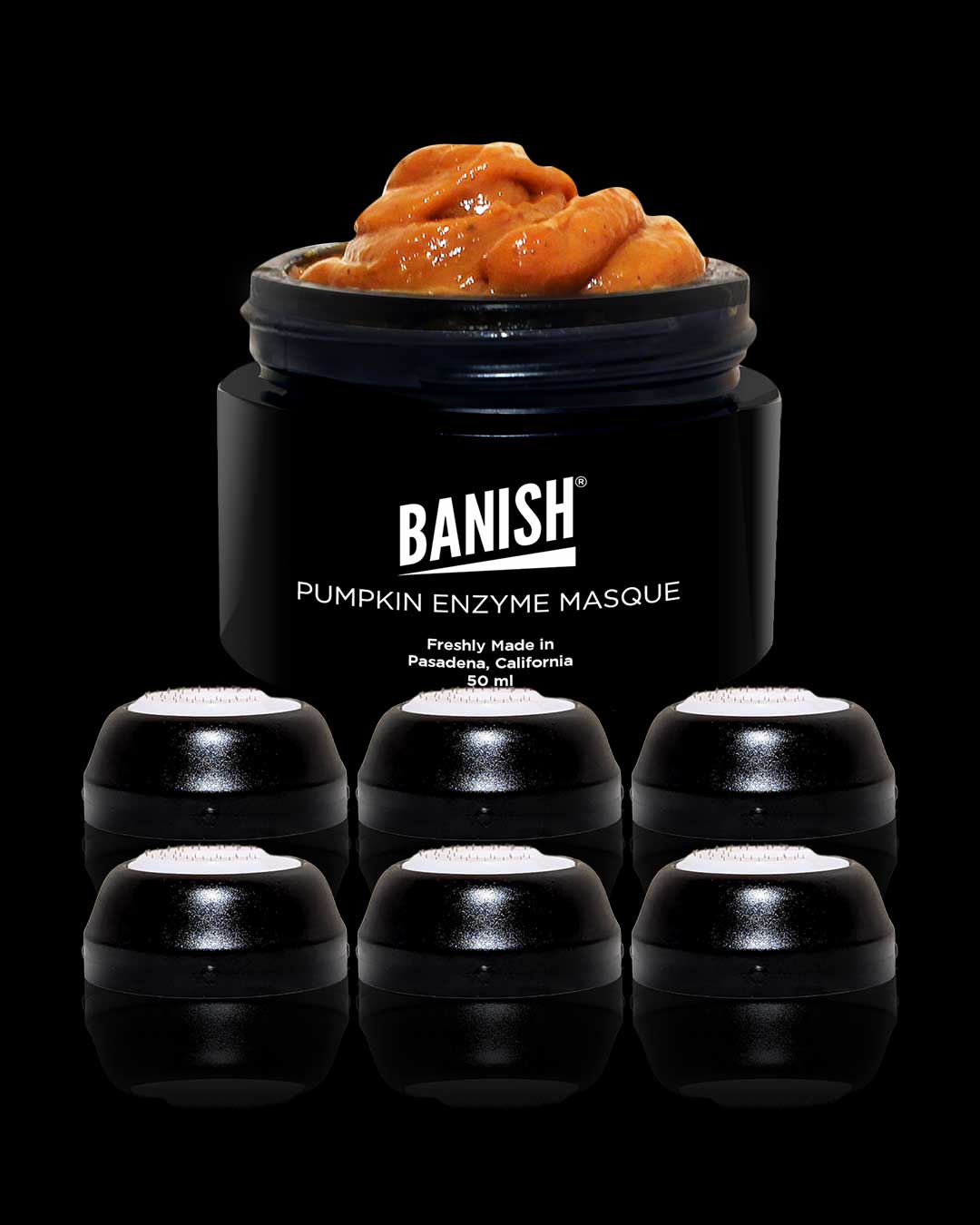
There are a lot of pumpkin enzyme masks on the market. What sets the Banish Pumpkin Enzyme Masque apart is its ingredients. Rather than relying on pumpkin alone, this formula builds a multi-target exfoliating and brightening treatment around a base of real pumpkin fruit. Here is a closer look at what is in it and why each ingredient matters.
Pumpkin Fruit Puree (Cucurbita Pepo)
The base of the formula is real pumpkin puree. This delivers the proteolytic enzymes in their most bioactive form alongside the fruit's natural vitamins A, C, E, and antioxidants.
Glycolic Acid
Glycolic acid is the most well-researched alpha hydroxy acid (AHA) in skincare. It is derived from sugar cane and has the smallest molecular size among AHAs, which allows it to penetrate the stratum corneum efficiently.
Glycolic acid works by loosening the bonds that hold dead skin cells together, so they shed off more easily and fresh skin can come to the surface. Research shows it helps reduce acne, smooth skin texture, prevent clogged pores, and fade acne scars.5 When you pair it with the natural enzymes from pumpkin, you get two different ways of clearing away dead skin at the same time, which makes the whole formula work even better.
Vitamin C (Ascorbic Acid)
Vitamin C is one of the most evidence-backed brightening ingredients in skincare. It inhibits melanin production by targeting the tyrosinase enzyme pathway and acts as a powerful antioxidant to protect the skin from damage. Its presence in this formula helps address existing dark spots while supporting overall skin brightness.
Organic Sugar Cane, Bilberry, Sugar Maple, Orange Peel, Lemon Peel, and Cranberry Extracts
This is a botanical fruit acid complex that provides additional natural AHAs from multiple plant sources. Sugar cane contributes more glycolic acid. Citrus extracts add citric acid. Bilberry and cranberry round out the antioxidant and gentle acid activity. Together, this complex broadens the exfoliating and brightening action of the mask.
Vitamin E (Tocopherol) and Sunflower Seed Oil
These help balance the exfoliating action of the formula by nourishing and conditioning the skin barrier. Vitamin E is a lipid-soluble antioxidant that has been shown to complement vitamin C by stabilizing it, increasing the effectiveness of both. Sunflower seed oil is rich in linoleic acid, which supports skin barrier function and is particularly beneficial for acne-prone skin.
Meadowfoam Seed Oil (Limnanthes Alba)
Meadowfoam seed oil is a lightweight, deeply moisturizing oil that closely mimics the structure of the skin's natural lipids. It helps prevent post-exfoliation dryness and supports the skin barrier without clogging pores, making it a smart inclusion for oily and combination skin.
Organic Neem Seed Oil (Melia Azadirachta)
Neem has a strong reputation in both traditional medicine and modern skincare for its antibacterial and anti-inflammatory properties. For acne-prone skin specifically, neem helps address the bacterial component of breakouts while calming redness and irritation.
Organic Rosemary Leaf Extract
Rosemary extract functions as both an antioxidant and a natural preservative. It helps protect the formula's active ingredients from oxidation while contributing additional free-radical-fighting activity on the skin.
The Spice Blend: Cinnamon, Ginger, Nutmeg, Allspice, Clove, and Cardamom
This is what gives the Banish Pumpkin Enzyme Masque that signature pumpkin-pie warmth. But beyond the smell, these spices are all well-documented anti-inflammatory and antioxidant botanicals.
Ginger contains gingerols and shogaols with documented anti-inflammatory effects.
Clove is one of the highest-antioxidant botanicals known, containing eugenol, which has antimicrobial properties.
Cinnamon (Cinnamomum cassia) has been studied for its antimicrobial and anti-inflammatory effects on the skin.
Together, this blend helps calm inflammation, which is especially valuable for acne-prone skin where redness and irritation are ongoing concerns.
Glycerin and Xanthan Gum
Glycerin is a humectant that draws moisture into the skin and helps reduce the drying effect that can sometimes follow exfoliation. Xanthan gum is used to provide texture and helps the formula spread evenly.
The full formula is made fresh in small batches.
Who Is This Mask For?
The Banish Pumpkin Enzyme Masque is a good fit if you are dealing with any of the following:
- Oily or combination skin prone to clogged pores and breakouts
- Post-acne dark spots or uneven skin tone
- Dull, rough, or uneven skin texture
- Congested pores and blackheads, particularly on the nose and cheek area
- Sensitive skin that does not tolerate harsh physical scrubs or high-concentration acid peels
- Anyone looking for a regular exfoliation step that is effective but not aggressive
It is formulated to work across oily, combination, dry, and normal skin types.
How to Use It
After cleansing, apply a thin layer to dry skin. Leave it on for 10 to 15 minutes, then rinse with warm water. Follow with moisturizer. Most people use it one to two times per week.
If this is your first time using a chemical exfoliant, start with once a week to see how your skin responds. Some tingling is normal and expected. If you experience significant burning or prolonged redness, rinse immediately and reduce frequency.
Because glycolic acid can increase photosensitivity, always apply sunscreen the morning after use. This is standard for any AHA-containing product.
Pumpkin Enzyme Masks vs. Other Types of Exfoliants
There are three main categories of exfoliants: physical, chemical (acids), and enzymatic.
Physical scrubs use abrasive particles to manually remove dead skin cells. The problem is that over-scrubbing can damage the skin barrier and cause micro-tears, which is especially problematic for acne-prone skin where you want to minimize trauma.
Acid exfoliants like glycolic, lactic, and salicylic acid work by chemically loosening bonds between skin cells. They can be highly effective but may cause irritation, stinging, and photosensitivity at higher concentrations, particularly for people new to actives or those with sensitive skin.
Enzyme exfoliants offer a middle path. They dissolve dead skin proteins gently, without the potential for over-scrubbing or acidity-driven sensitivity. They are often described as a beginner-friendly form of chemical exfoliation for exactly this reason.
A mask that combines both enzymes and a measured amount of glycolic acid, like the Banish Pumpkin Enzyme Masque, gives you the gentleness of enzymatic exfoliation with the deeper cell-renewal action of an AHA, making it more versatile than either approach on its own.
Frequently Asked Questions
What does a pumpkin enzyme mask do for your skin?
It uses proteolytic enzymes to dissolve dead skin cells on the surface, unclog pores, brighten skin tone, and improve texture without physical scrubbing. When combined with glycolic acid, as in the Banish Pumpkin Enzyme Masque, it also targets post-acne dark spots and hyperpigmentation.
Is a pumpkin enzyme mask good for acne-prone skin?
Yes. Pumpkin enzymes gently decongest pores and reduce the dead-cell buildup that contributes to breakouts. The Banish formula also contains neem seed oil for its antibacterial properties and anti-inflammatory botanicals to calm irritated skin.
How often should you use a pumpkin enzyme mask?
One to two times per week works well for most people. If you are new to exfoliants, start once a week and build from there based on how your skin responds.
Can a pumpkin enzyme mask help with dark spots?
Yes. Pumpkin is high in vitamin A and vitamin C, both of which support skin brightening. Combined with glycolic acid, the Banish Pumpkin Enzyme Masque helps accelerate cell turnover to fade post-inflammatory hyperpigmentation over time.
What is the best pumpkin enzyme mask for acne and dark spots?
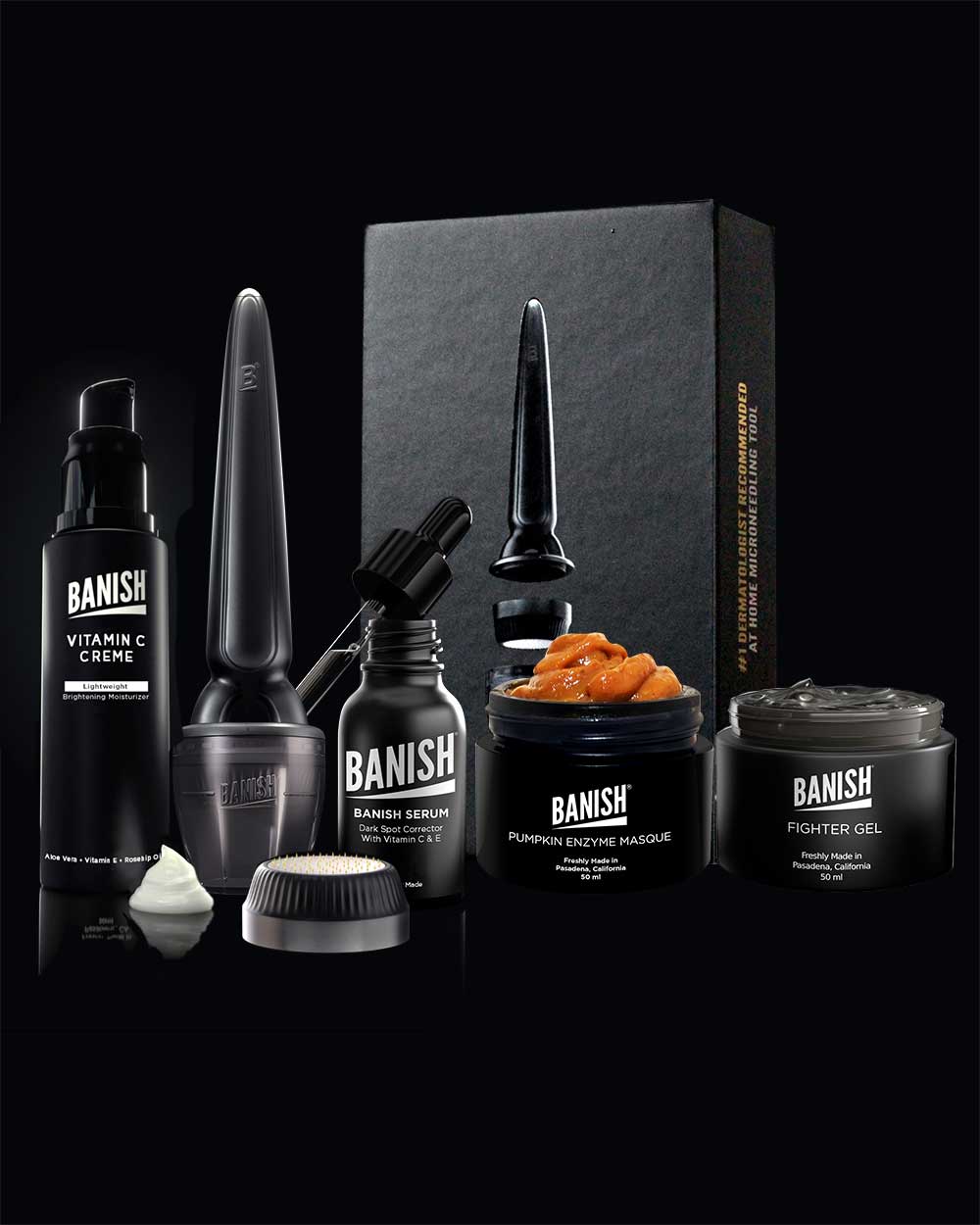
The Banish Pumpkin Enzyme Masque is one of the most thoroughly formulated options available. It combines real pumpkin fruit puree with glycolic acid, vitamin C, vitamin E, a full fruit acid botanical complex, neem seed oil, and anti-inflammatory spice extracts. It is made fresh in small batches in Pasadena, California, and comes with a 45-day satisfaction guarantee.
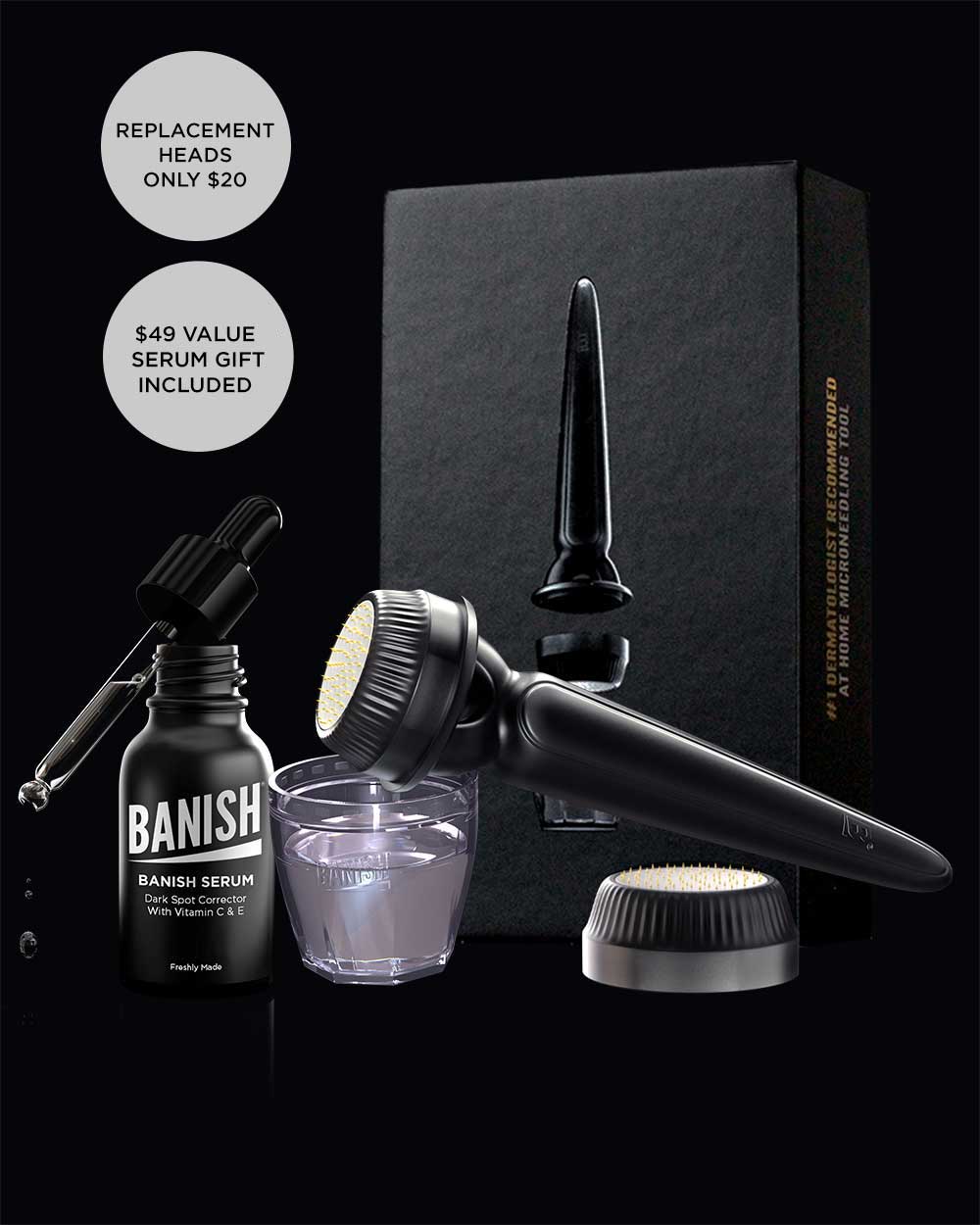
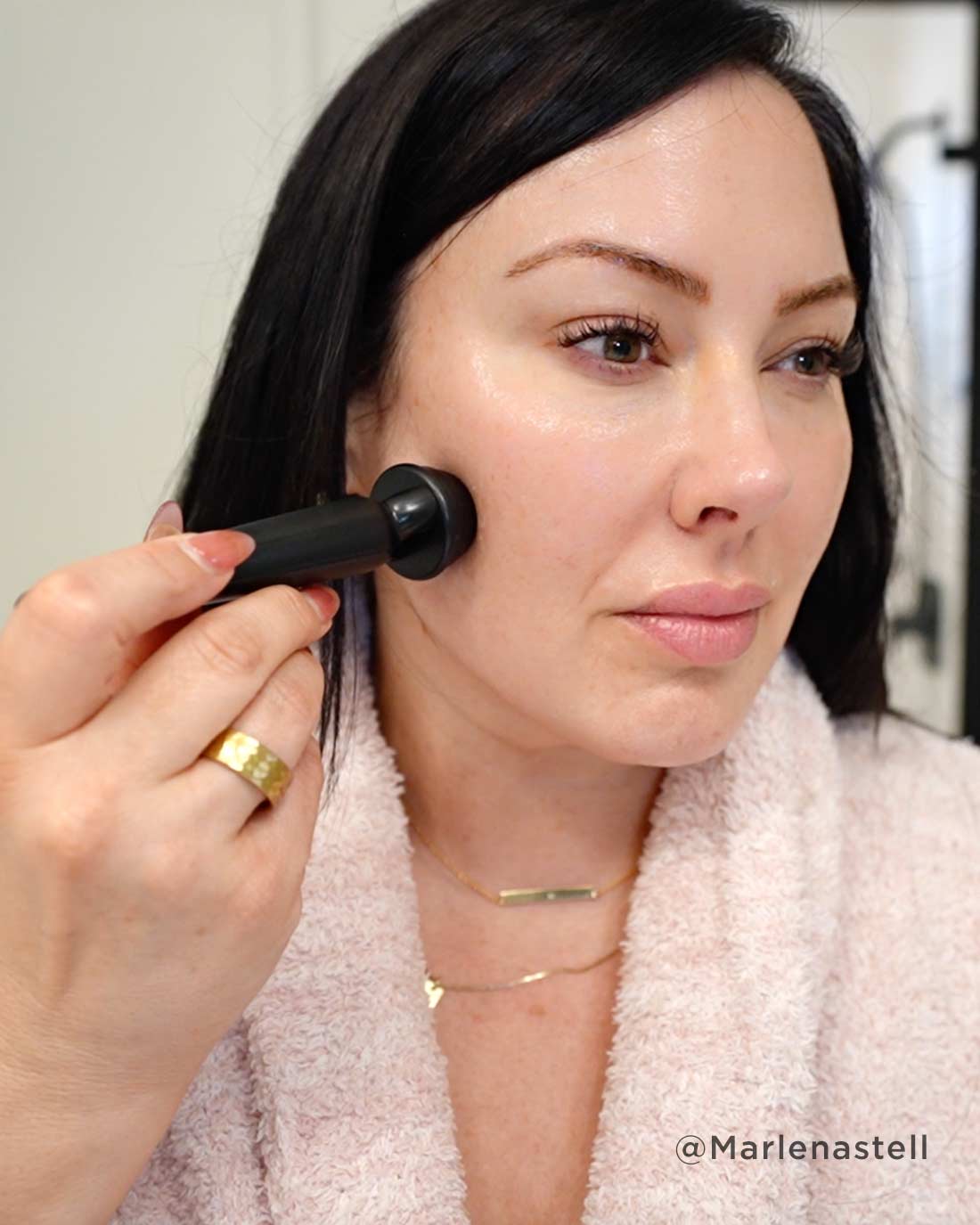
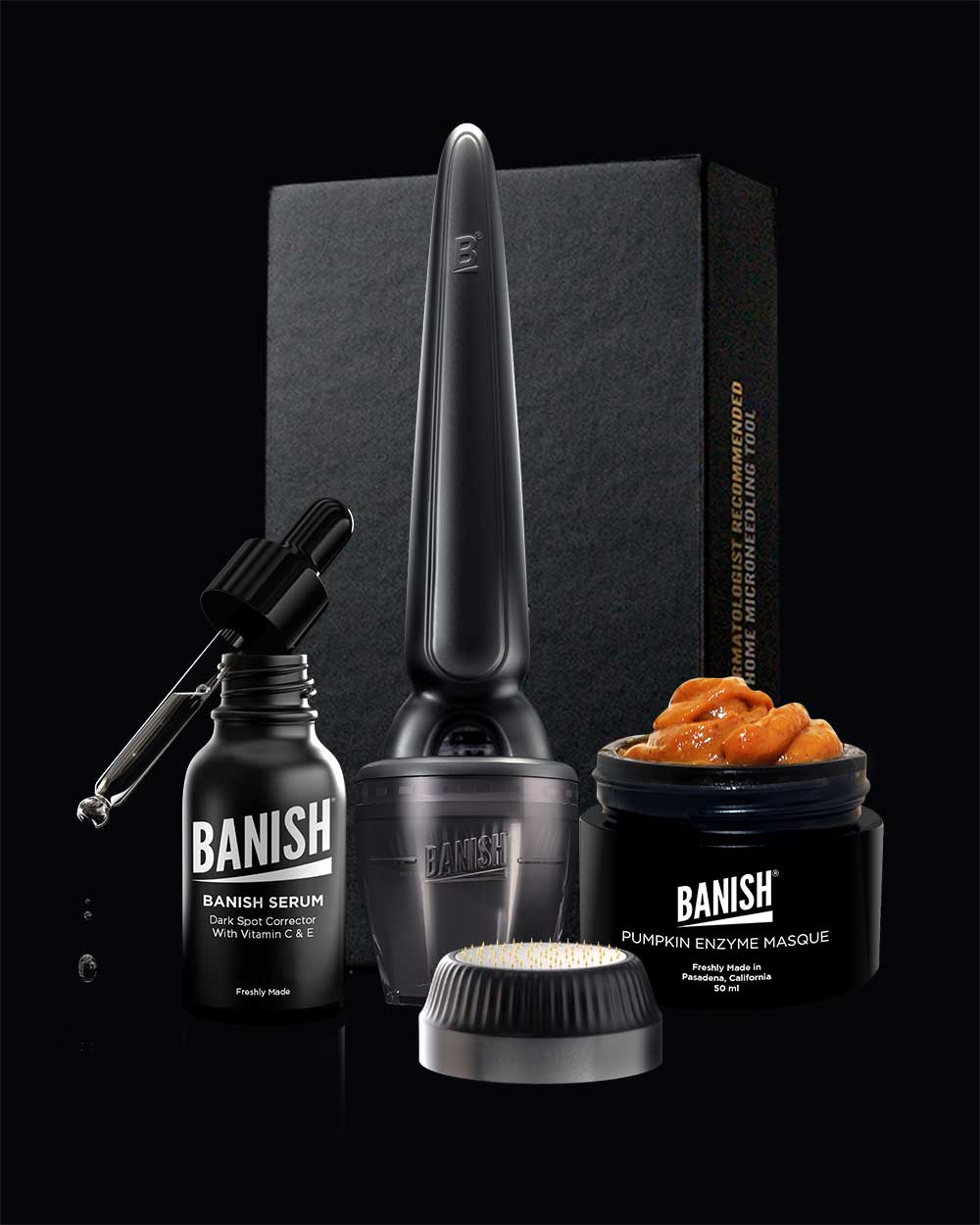
Can I use the Banish Pumpkin Enzyme Masque with the Banisher 3.0?
If you use the Banisher 3.0 home microneedling tool, it is generally recommended to use exfoliating masks and acids on separate days from your microneedling sessions. On non-microneedling days, the Pumpkin Enzyme Masque is a great complement to your routine to maintain smooth texture and improve skin quality between sessions.
Conclusion
If you are serious about clearer, brighter, smoother skin, a pumpkin enzyme mask should be part of your rotation. The science is there: pumpkin proteolytic enzymes exfoliate safely and effectively, and when combined with glycolic acid, vitamin C, and a botanical support system, you get a mask that addresses multiple concerns at once without stripping or over-sensitizing your skin.
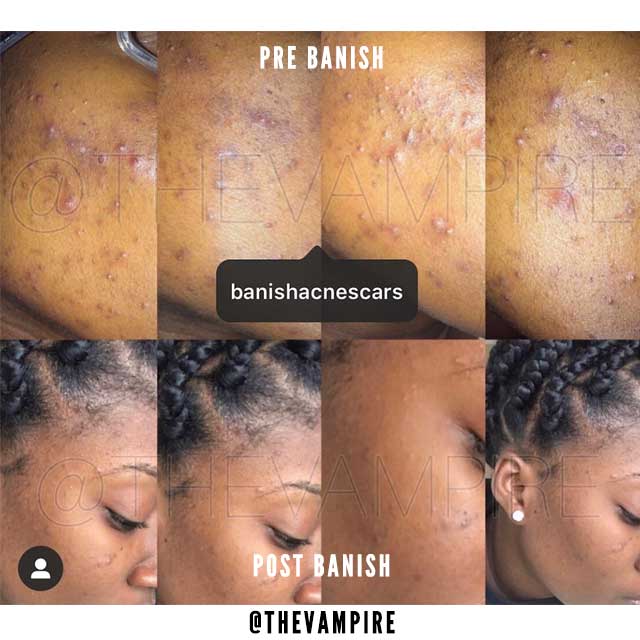
The Banish Pumpkin Enzyme Masque delivers all of that in a formula made fresh from organic ingredients. Your skin should feel smoother and appear glowy within the first use, with better effects after on dark spots or acne after 6-12 weeks.

References
- Smith, W.P., Bishop, M., Gillis, G. and Maibach, H. (2007). Topical proteolytic enzymes affect epidermal and dermal properties. International Journal of Cosmetic Science, 29, 15-21. doi: 10.1111/j.1467-2494.2007.00354
- Houshmand, B., et al. (2021). Effect of glycolic acid, phytic acid, soothing complex containing emulsion on hyperpigmentation and skin luminosity: A clinical evaluation. Journal of Cosmetic Dermatology. doi: 10.1111/jocd.13950
- Garg, V.K., et al. (2009). Glycolic acid peels versus salicylic-mandelic acid peels in active acne vulgaris and post-acne scarring and hyperpigmentation. Dermatologic Surgery, 35(1): 59-65. doi: 10.1111/j.1524-4725.2008.34383.x
- Kornhauser, A., Coelho, S.G., Hearing, V.J. (2010). Applications of hydroxy acids: classification, mechanisms, and photoactivity. Clinical, Cosmetic and Investigational Dermatology, 3, 135-142.
- Tolaymat, L., Zito, P.M. (2023). Topical AHA in Dermatology: Formulations, Mechanisms of Action, Efficacy, and Future Perspectives. Cosmetics, 10(5), 131. MDPI. doi: 10.3390/cosmetics10050131
- Bardaa, S., Ben Halima, N., Aloui, F., et al. (2016). Oil from pumpkin (Cucurbita pepo L.) seeds: evaluation of its functional properties on wound healing in rats. Lipids in Health and Disease, 15, 73. doi: 10.1186/s12944-016-0237-0
- Ibrahim, H.M., et al. (2021). Combined oral and topical application of pumpkin (Cucurbita pepo L.) alleviates contact dermatitis associated with depression through downregulation of pro-inflammatory cytokines. Frontiers in Pharmacology. PMC8141732.
- Oh, J., Hong, S., Ko, S-H., Kim, H-S. (2024). Evaluation of antioxidant effects of pumpkin (Cucurbita pepo L.) seed extract on aging- and menopause-related diseases. Antioxidants, 13(2), 241. doi: 10.3390/antiox13020241
- Bernstein, E.F., Lee, J., Brown, D.B., Yu, R., Van Scott, E. (2001). Glycolic acid treatment increases type I collagen mRNA and hyaluronic acid content of human skin. Dermatologic Surgery, 27, 429-433.
- Cervantes, J., Rajadhyaksha, M., Bhatt, S., Kirsner, R.S. (2018). Why zinc? Mechanisms of action of zinc as an acne treatment. Dermatology Online Journal, 24(1).













Leave a comment
All comments are moderated before being published.
This site is protected by hCaptcha and the hCaptcha Privacy Policy and Terms of Service apply.