
What Dermatologists Really Think About the Banisher 3.0
In-office treatments for acne scars and texture can get expensive quickly, and not everyone wants to commit to a long series of appointments, so it's easy to see where the appeal for at home microneedling comes from. However with microneedling, not every device feels thoughtfully designed, and not every option for home use feels like something you’d want to trust with your skin.
This article takes a closer look at what dermatologists Dr. Sarah Sheu and Dr. Abby Waldman said about the Banisher 3.0.
If you want the broader side-by-side breakdown of device types, our full microneedling device comparison is the better place to start.
Together, they give a pretty grounded picture of what makes an at-home microneedling device feel more approachable and where someone might want to be a little more cautious.
Dr. Sarah Sheu’s Review Gets Into the Details
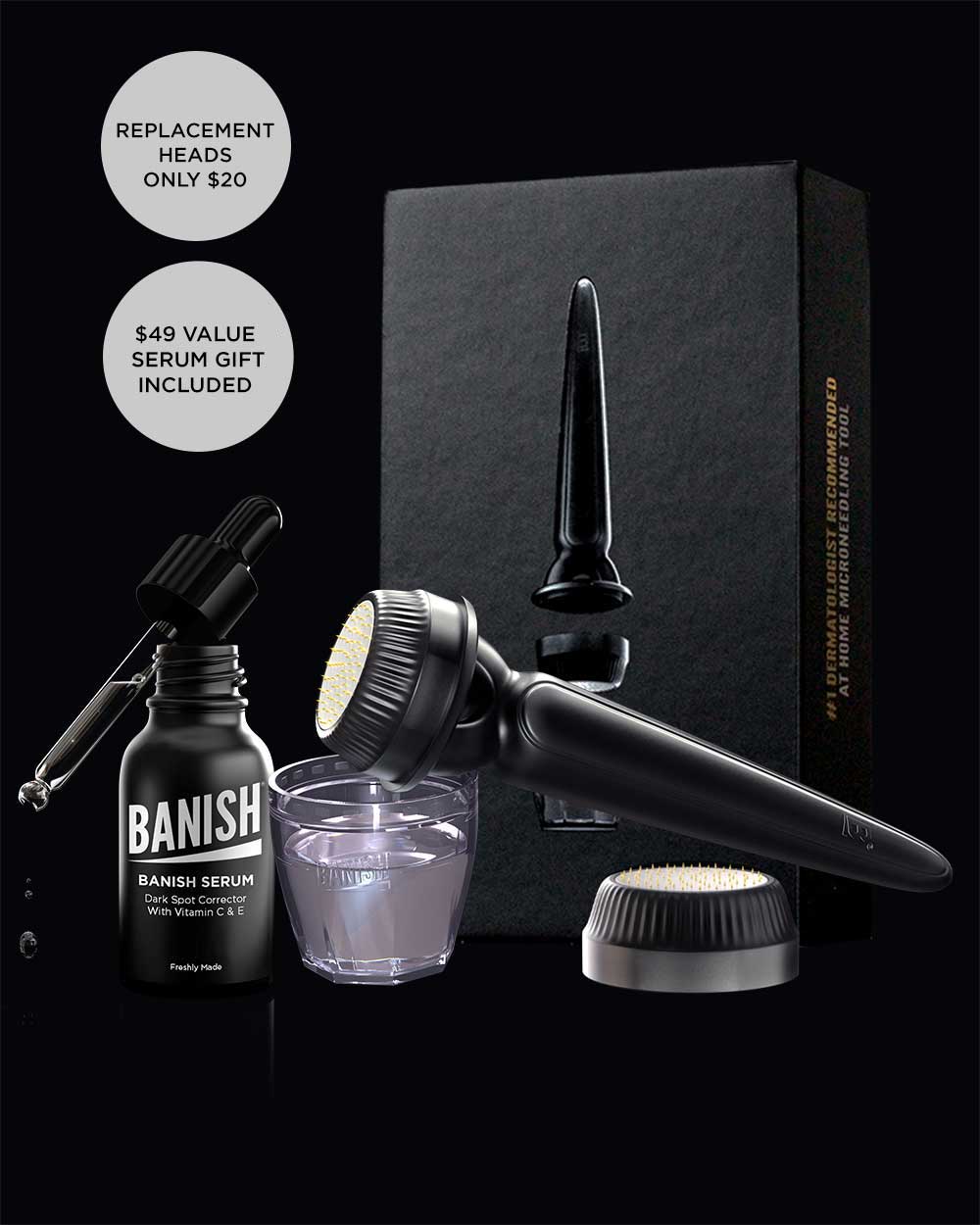
One of the first things Dr. Sheu noticed was the shape of the device itself. She pointed out that the Banisher’s longer handle made it easier to grip and angle than smaller at-home systems.
That may not sound like the kind of detail that changes much, but in practice it usually does. The difference between something that feels awkward in your hand and something that feels intuitive can be the difference between using it consistently and avoiding it.
She also talked about the treatment head size, which is another detail people tend to underestimate. A larger treatment surface means fewer stamps to cover the same area, which makes the whole process feel faster and less tedious. With current lifestyles that tend to be a bit busier, the time it takes to finish a session does matter.
She was open about the tradeoffs of at-home microneedling in general. From her perspective, this is not some dreamy self-care ritual. It takes effort. It can feel uncomfortable. It’s something people should go into with realistic expectations.
Regarding cost, one of the main reasons people even look into home microneedling is because professional treatment for acne scars can be expensive. In her review, the Banisher came across as more cost-effective after the initial purchase, especially compared with systems that require a brand-new treatment head for every single session.
She also flagged the gold-plated titanium needles as a thoughtful detail. In her view, that choice may be especially relevant for people who are sensitive to nickel-containing metals, which is not necessarily something the average shopper would think to look for.
Regarding needle lengths for DIY microneedling, Dr. Sheu says stick with 0.25 mm or 0.5 mm, and she raised real hygiene concerns around reusing needle heads after seeing how quickly skin debris can build up under magnification.
She still sees in-office treatment as the gold standard for more significant acne scarring. But she also said that if professional treatment wasn’t financially possible, the Banisher was her favorite at-home option she had tried.
Dr. Abby Waldman’s Take
Dr. Abby Waldman’s first takeaway was that a stamping device like the Banisher makes more sense for home use than a roller.
Her second point was needle length. She emphasized that for home use, smaller is the safer zone. In her words, 0.5 mm or less is enough for very fine wrinkles, mild to moderate acne scars, and more superficial concerns without drifting into the territory that should really be left to professionals.
And then there’s cost. home microneedling takes several consistent sessions to see results, even professional treatments often require several sessions that take months. If someone plans to use a device regularly, the per-treatment cost ends up being quite affordable after the initial upfront device cost. That was part of why she said she uses the Banisher 3.0.
What Both Reviews Agree On
Neither dermatologist made at-home microneedling sound casual or like a trendy skin gadget you can use without much thought. Both came at it from the perspective that this is something to be cautious with and to take seriously.
When looking to do microneedling yourself, device format matters and needle length matters a lot. Something that can be easily refilled or has several uses is important.
There was also a clear sense that home microneedling makes the most sense for milder concerns. Fine lines, texture, and mild to moderate acne scars may have better results over other skin issues like deep scarring that typically needs more intensive in-office treatment.
Most of all, both reviews pointed in the same direction: if someone is going to use an at-home microneedling device, a short-needle stamping device feels more appropriate than a more aggressive option.
Who Might Actually Find At-Home Microneedling Worthwhile
Not everyone needs an at-home microneedling device, and not everyone is going to enjoy using one, but it could be a good fit for those dealing with mild to moderate acne scars, texture, or fine lines.
If you're someone who has looked into professional microneedling or laser treatments and isn't comfortable with the costs of that, maybe home microneedling could be a good option.
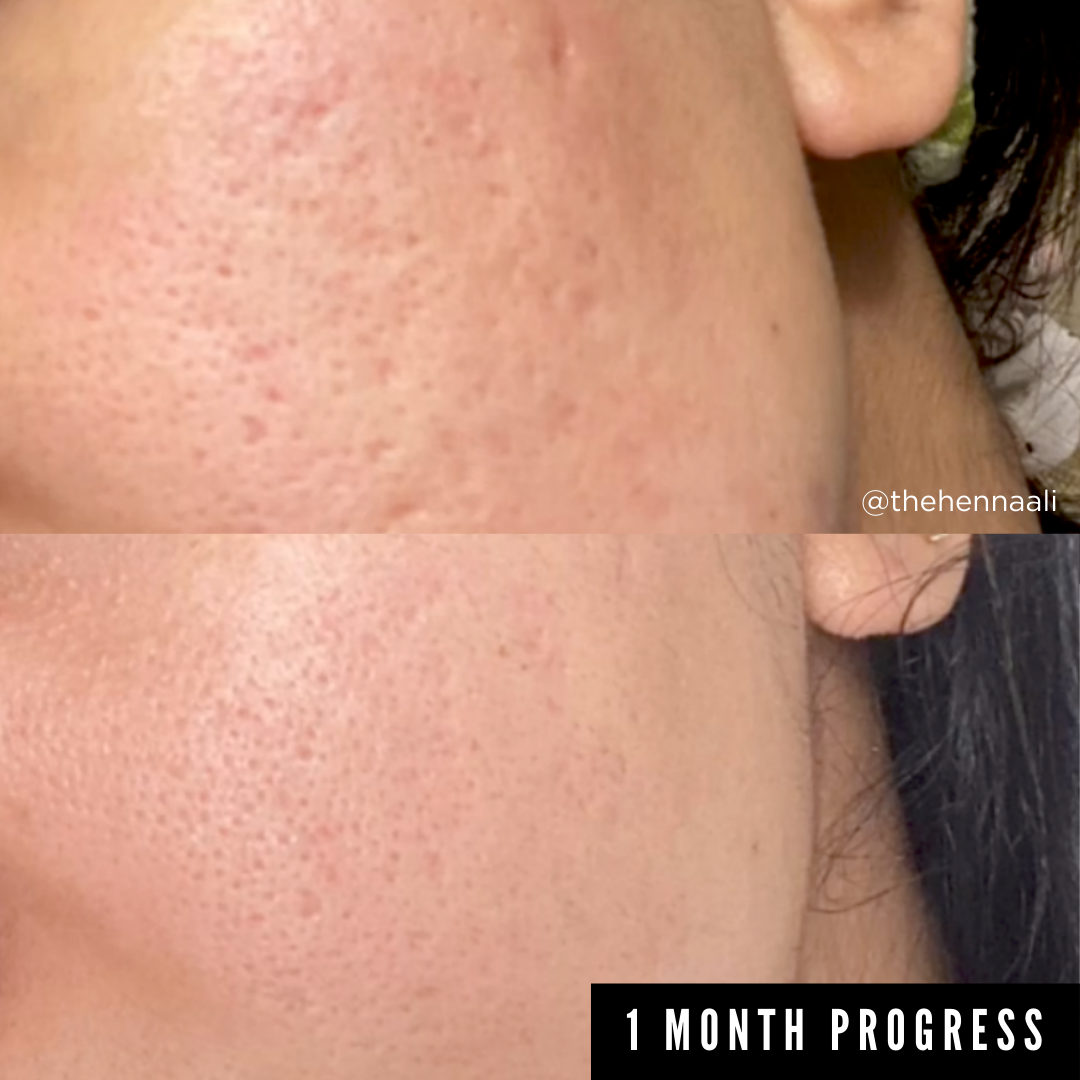
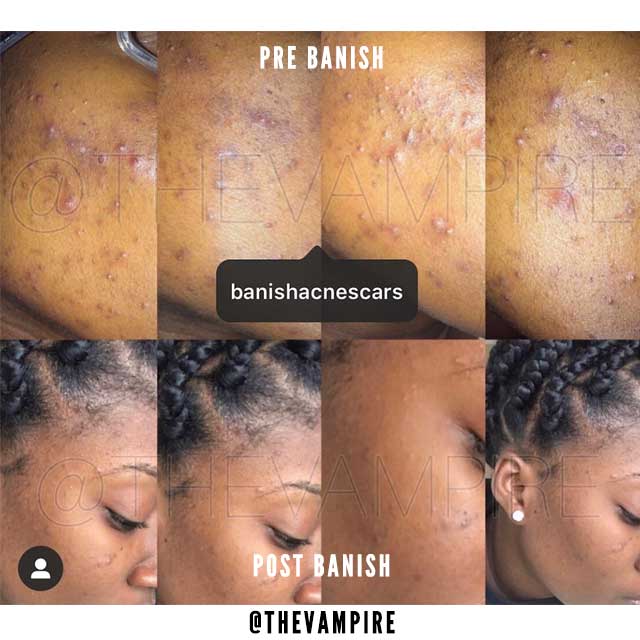
The Banisher 3.0 is not a substitute for every professional treatment, but for someone who wants a lower-cost option and is comfortable following instructions to do the process themselves, it can be a great option to give many the extra boost in their collagen for visible results.
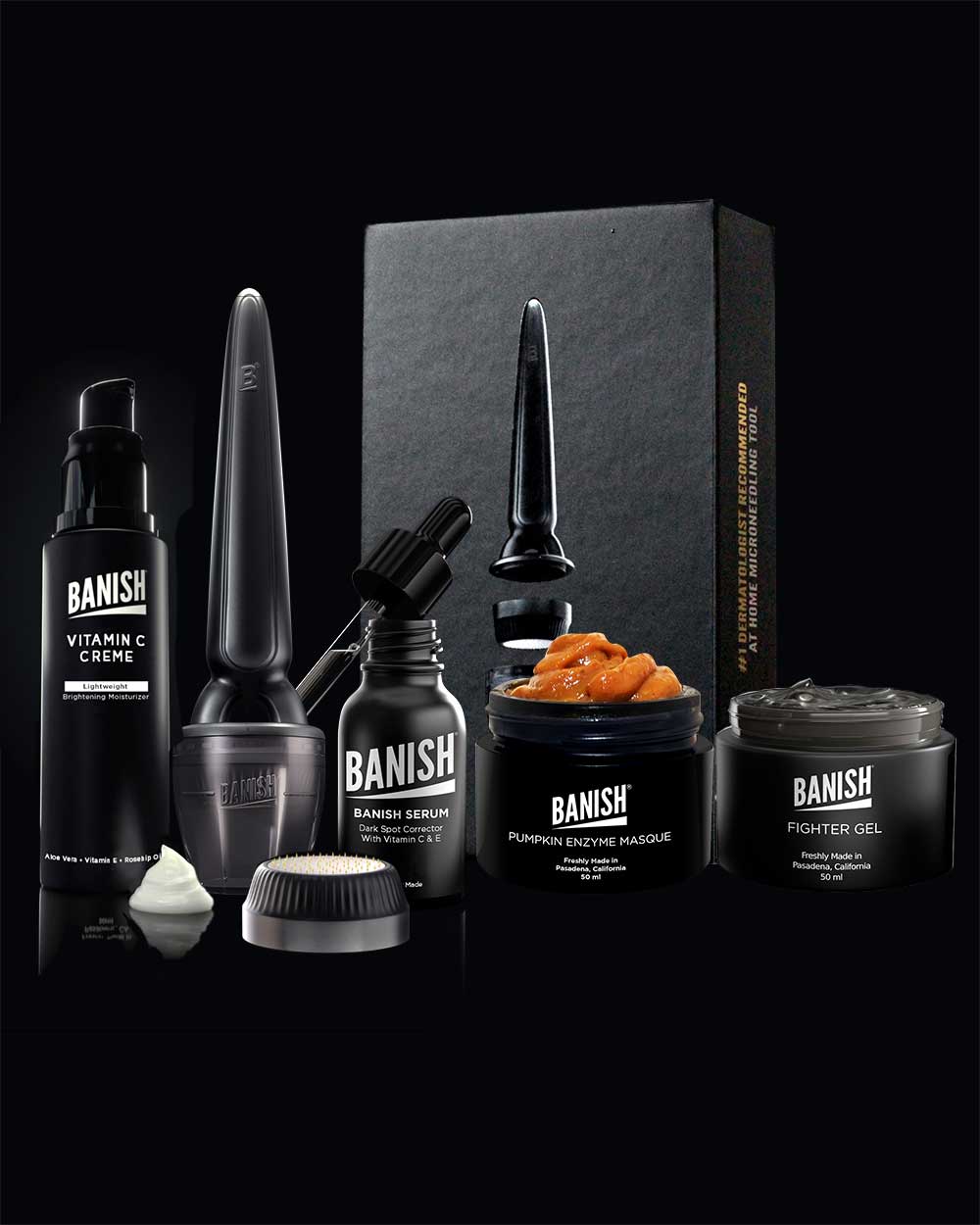
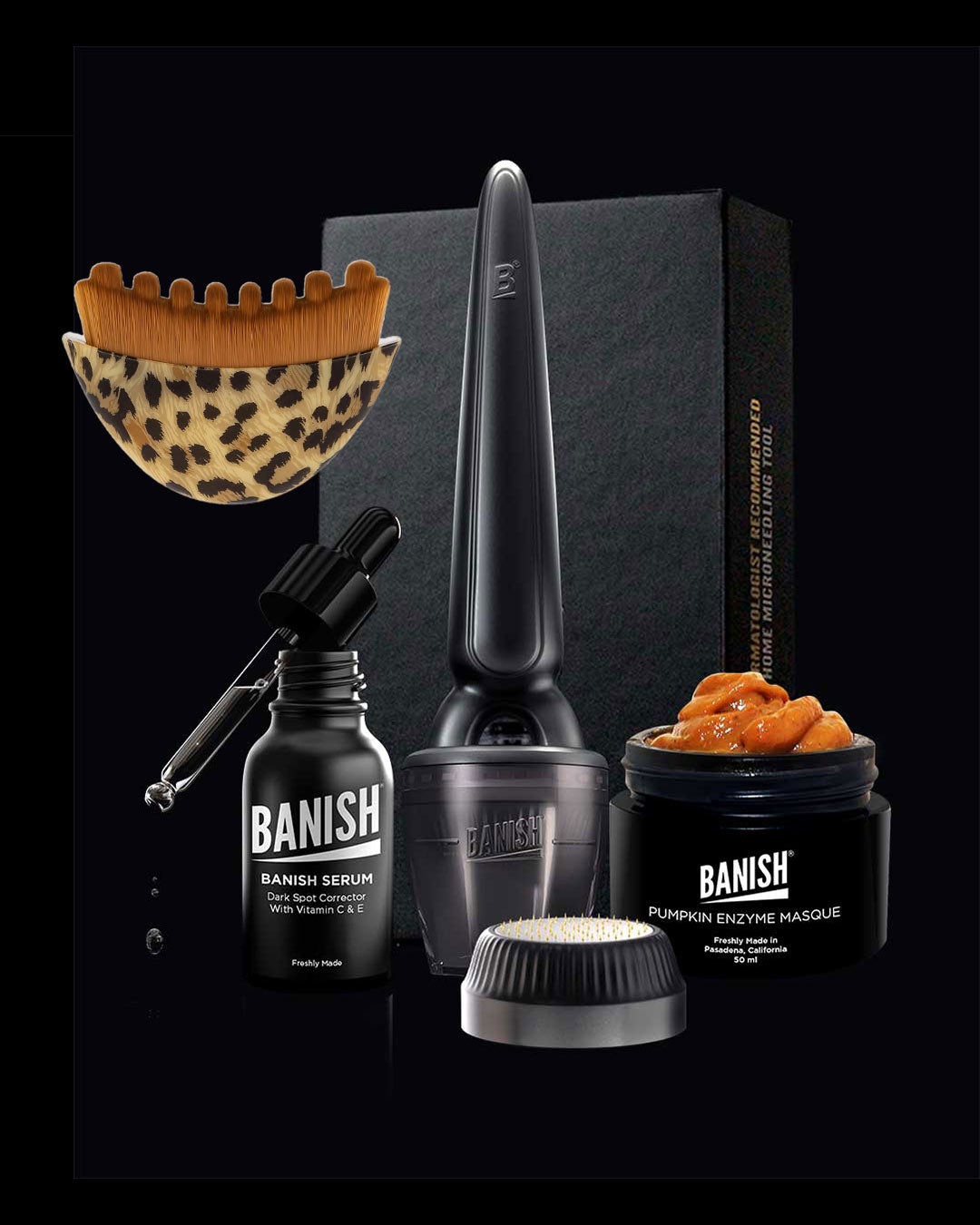
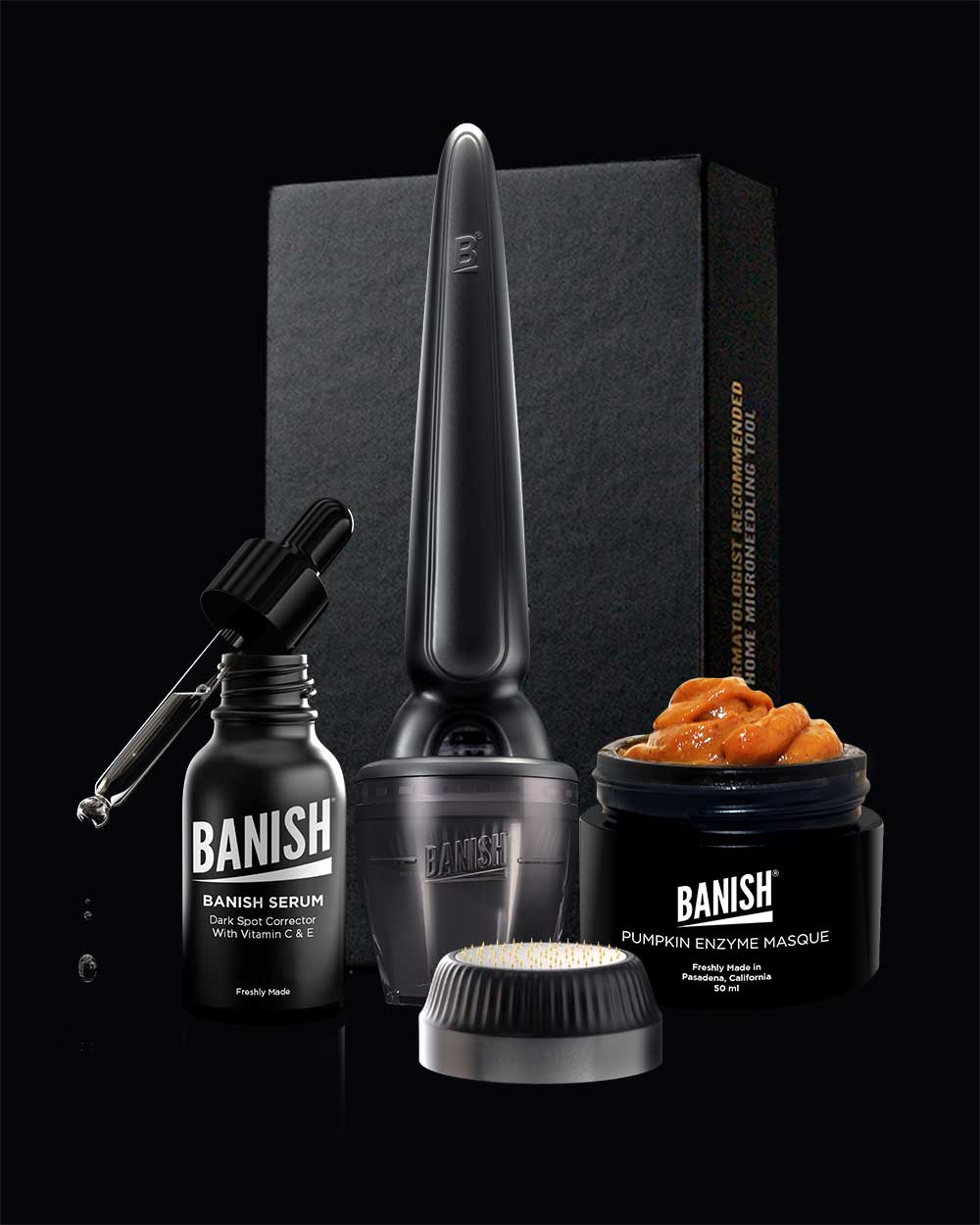
If you're interested in home microneedling, check out the Banish Kit 3.0 here.
Few Things To Clear Up
Longer needles are not automatically better. Once you move deeper, that’s where irritation and hygiene concerns matter more.
What you put on your skin before and after microneedling matters. Dr. Sheu specifically talked about avoiding stronger actives like retinoids and acids right after treatment, and she was cautious about applying potentially irritating products immediately after needling.
If you want a better sense of what to use after treatment, you can read our guide on what to use after microneedling. And if you want the basics on the process itself, we also have a guide on how microneedling works.
The Takeaway
The same themes keep surfacing regarding the Banisher 3.0 microneedling tool, or for a microneedling tool in general: a stamp-style device makes more sense than a roller, shorter needle lengths make more sense than longer ones at home, and practicality matters more than flashy claims.
That doesn’t mean every person needs an at-home microneedling device. It also doesn’t mean a home device should be treated like a replacement for professional care. What it does suggest is that if someone is already considering one, the most useful questions are usually not the loudest ones. Not which device sounds most impressive. Not which one promises the biggest transformation. More like which one feels thoughtfully designed, realistic to use, and easier to approach safely at home.
And that’s more or less where both of these dermatologist reviews left the Banisher 3.0.
If you want the broader side-by-side breakdown of how different at-home microneedling devices compare, read our full microneedling device comparison here.











Leave a comment
All comments are moderated before being published.
This site is protected by hCaptcha and the hCaptcha Privacy Policy and Terms of Service apply.