
When I started Banish back in 2013, I was trying to solve my own acne scar problem. I had worked through every serum I could find, and nothing was actually changing the scarring texture of my skin. Microneedling changed that for me, and it changed the way I thought about what skincare can and can't do.
What I did not expect was that over a decade later, the generation that grew up watching skincare tutorials on their phones would become the most engaged microneedling audience I have ever seen. Gen Z is not just using microneedling. They are researching it, talking about it openly, and building it into their routines earlier than any previous generation.
So I want to talk about why I think this is happening, what younger users are getting right, and what anyone new to microneedling should understand before they start.
The Preventative Mindset That Defines Gen Z Skincare
One of the most striking things about Gen Z's approach to skincare is that they are not waiting for a problem to become serious before addressing it. Research shows that 67% of Gen Z actively use skincare to prevent signs of aging, a figure that would have been unusual for the same age group a generation ago.1
This is a fundamentally different philosophy from what came before. Older generations often thought of skincare as corrective: you waited until wrinkles appeared, until scars deepened, until pigmentation just wouldn't fade on it's own anymore, and then you looked for solutions. Gen Z is approaching it the way people approach nutrition or fitness. You do not wait until something breaks. You maintain it before it does.
For skin, that logic holds up. Collagen production starts to decline in your mid-20s. Acne scars treated early, when the remodeling process in the dermis is still relatively active, respond better than scars that have been sitting for years. Texture issues addressed before they entrench are easier to improve.
What Microneedling Actually Does to Your Skin
Microneedling uses fine, sterile needles to create tiny controlled micro-injuries in the skin. Your body responds to those micro-injuries the same way it responds to any wound: by triggering a healing cascade that produces new collagen and elastin.2
That new collagen is what gradually fills in atrophic acne scars, smooths uneven texture, reduces pore appearance, and gives skin a more consistent tone over time. The process happens across weeks and months, which is exactly why starting a consistent practice earlier pays off.
Clinical evidence supports this. A peer-reviewed study published in the Journal of Cutaneous and Aesthetic Surgery found statistically significant improvement in atrophic acne scars following a series of microneedling sessions, with histological confirmation of new collagen synthesis and increased epidermal thickness.3
A comprehensive 2024 review of current literature found that microneedling, used alone and in combination with topical treatments, is consistently effective for acne scar improvement across all skin types, including deeper skin tones that carry higher risk with more aggressive resurfacing methods.4
If you want a deeper breakdown of the science behind collagen induction therapy, I covered it in this article on the scientific aspects of microneedling for acne scars.
How Social Media Changed the Conversation Around Skin
I want to address the TikTok angle carefully, because it gets oversimplified a lot.
Yes, TikTok is the primary platform where Gen Z discovers beauty trends. Yes, microneedling content gets significant engagement on the platform. But what is actually driving adoption is not a viral sound or a trending hashtag. It is transparency.
For a long time, beauty content was aspirational to the point of being useless. Flawless models in perfect lighting selling the idea of perfect skin. Gen Z pushed back on that.
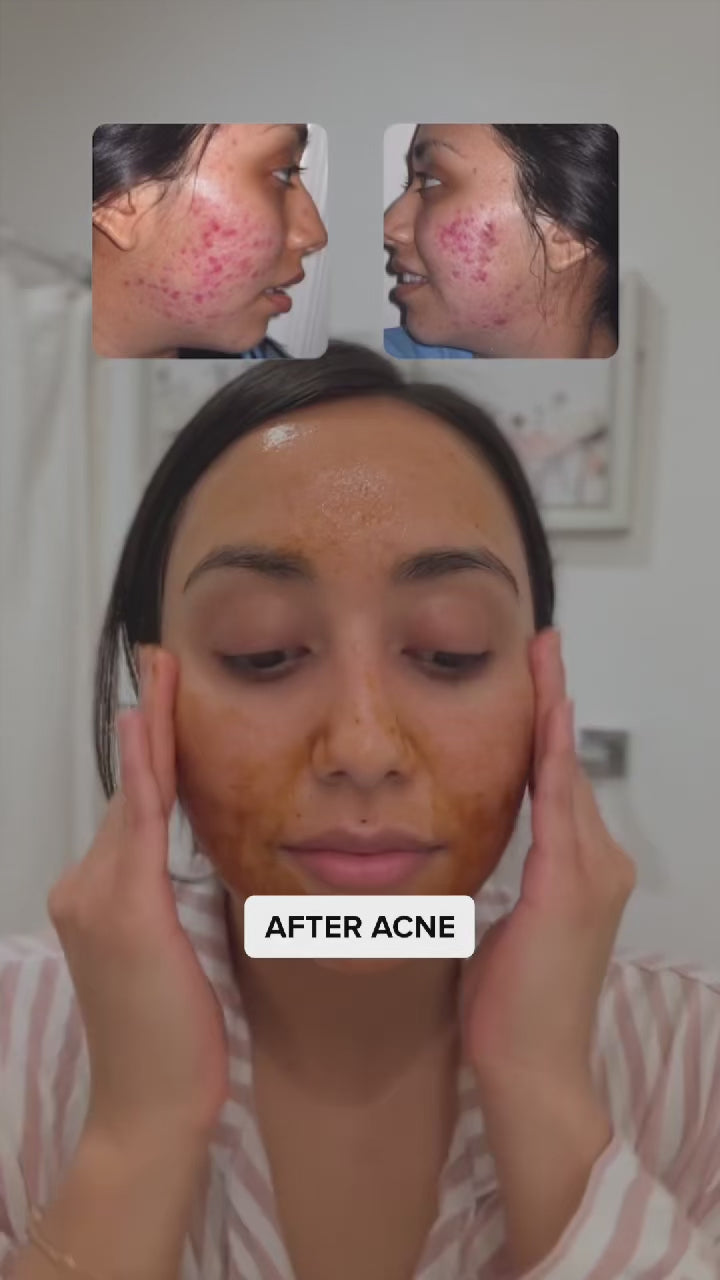
The content that performs now is real: real skin, real texture, real before-and-afters with honest timelines. People film redness after a session. They talk about how long it actually took to see results. They share what did not work. They talk about other procedures they have tried.
That shift toward honesty aligns with how I have always wanted to talk about skin. Acne scars are not a cosmetic side issue that people forget about overnight. They affect how people feel daily, and they deserve real information, not just promises.
The Research-Driven Buyer
Gen Z does not take skincare claims at face value. Before purchasing, they look for ingredient breakdowns, clinical evidence, and peer reviews. They are skeptical of generalities and drawn to specificity.
This is part of why microneedling resonates with them. The mechanism of action is explainable. The science is published and accessible. The results, when done correctly, are documentable over time.
This also means that when a Gen Z user finds a product or tool that actually works, they tend to stay loyal in a way that is built on understanding rather than habit.
What Gen Z Is Actually Treating with Microneedling
Acne Scars and Post-Inflammatory Hyperpigmentation
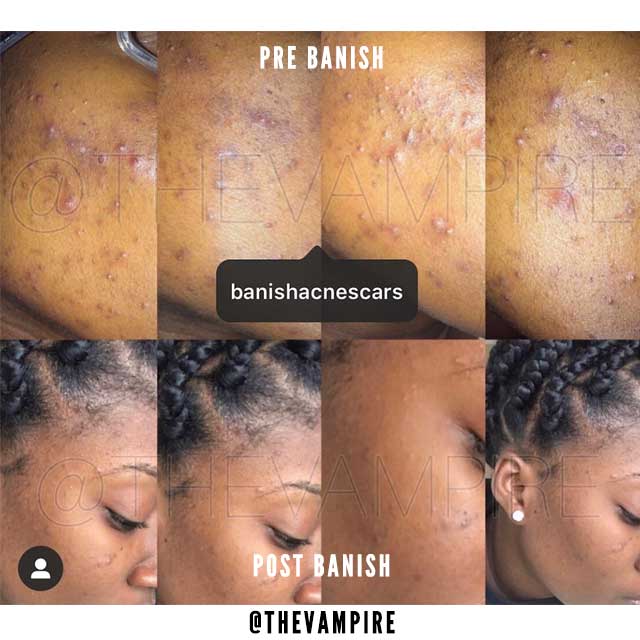
Acne scars remain the number one reason people come to Banish, regardless of age. But Gen Z users are often catching them earlier, sometimes while still managing occasional breakouts, which brings its own set of considerations.
The firm rule is that you should never microneedle over active, inflamed lesions. But treating existing scarring while your skin is otherwise stable is completely appropriate and, in my experience, more effective when you start before scars fully mature.
Post-inflammatory hyperpigmentation, the dark spots that follow a breakout even without any textural scarring, also responds well to microneedling, particularly when paired with a Vitamin C serum after treatment. It is important to use a tool that isn't overly aggressive like the Banisher 3.0 to create proper controlled microchannels.
Vitamin C has well-established evidence for its role in collagen synthesis and pigmentation reduction, and the micro-channels created by microneedling temporarily increase absorption of topical actives applied immediately after a session.2
Skin Texture and Enlarged Pores
Uneven texture and visible pores are among the most common concerns I hear from people in their 20s. Both are influenced by collagen structure in the dermis. Microneedling addresses both by triggering dermal remodeling, which creates a more uniform skin surface over time and can reduce the appearance of enlarged pores by improving the integrity of the surrounding tissue.
Dark Spots and Uneven Tone
Hyperpigmentation from sun exposure, old acne, or hormonal fluctuations is another category where consistent microneedling, combined with sun protection, shows improvement. This is particularly good for people with medium to deeper skin tones, where certain laser and chemical treatments carry a higher risk of triggering more discoloration. Microneedling is one of the few resurfacing treatments with strong safety data across the full Fitzpatrick scale.5
Early Collagen Support
This is where the preventative angle becomes most direct. You do not need visible signs of aging to benefit from microneedling. Supporting your skin's collagen infrastructure before breakdown accelerates is one of the most sensible skincare investments someone in their 20s can make. The skin you are building and maintaining now is the skin you will live in for decades.
Why At-Home Microneedling Makes Sense for This Generation
Professional microneedling treatments at a dermatologist or medspa can cost anywhere from $200 to $700 per session, and most people need at least a few sessions to see benefits. For most people in their early 20s, that is simply not accessible on a consistent basis.
At-home microneedling, with a properly designed tool at an appropriate needle depth, can stimulate collagen to fade scars or improve skin texture at a fraction of the cost.
I have been microneedling at home for over a decade, mainly using the Banisher and I have seen firsthand how it helped my acne scars, and how other tools like going too hard with a motorized pen tool could actually cause scarring.
Again, At-home microneedling requires the right tool, the right technique, and the right aftercare protocol. Educate yourself on the proper steps before you start!
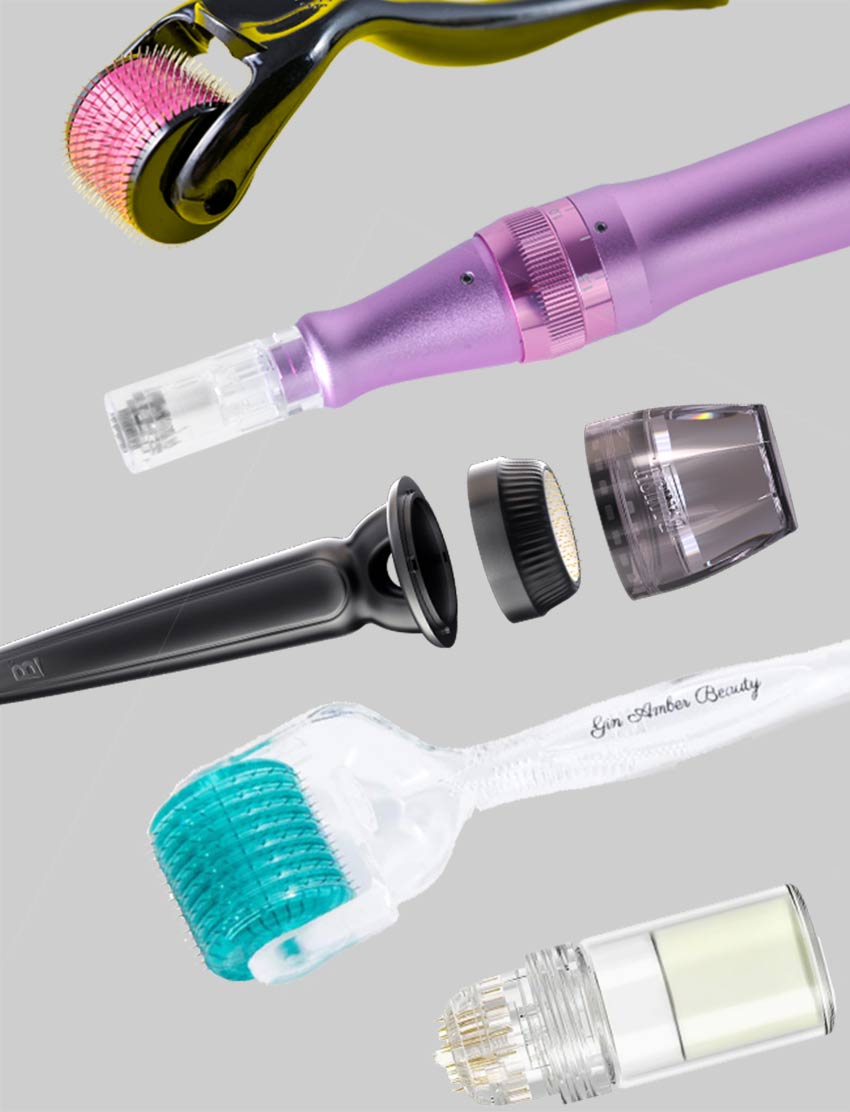
If you want to understand the differences between device types before starting, our guide to the best microneedling tools for acne scars walks through dermarollers, dermastamps, and electric pens in detail.
Getting Safety Right: What You Need to Know Before Starting
Choosing the Right Needle Depth
For general facial use at home, a 0.5mm needle depth is the standard for treating acne scars and texture concerns. It is deep enough to trigger collagen response without entering territory that requires professional oversight. 6
How Often to Microneedle
More is not better. This is one of the most common mistakes I see, especially with motivated new users who want results faster. Your skin needs time to complete its healing cycle before the next session.
For a 0.5mm treatment, you can generally do a session once every 2 weeks. Many experienced users work on a monthly schedule. The goal is to let one collagen production cycle complete before you trigger another.
Microneedling more frequently does not accelerate results. It disrupts the healing process and can cause irritation, and prolonged sensitivity.
When to Pause or Skip a Session
Do not microneedle over active acne lesions, open wounds, sunburned skin, or any area with active infection or rash.
If you are currently taking isotretinoin (Accutane), stop and wait at least six months after finishing your course before starting microneedling or ask your doctor if it's okay to start. If you have recently had laser treatments, chemical peels, or other resurfacing procedures, give your skin adequate recovery time before introducing microneedling into your routine.
Where the Banish Kit Fits In
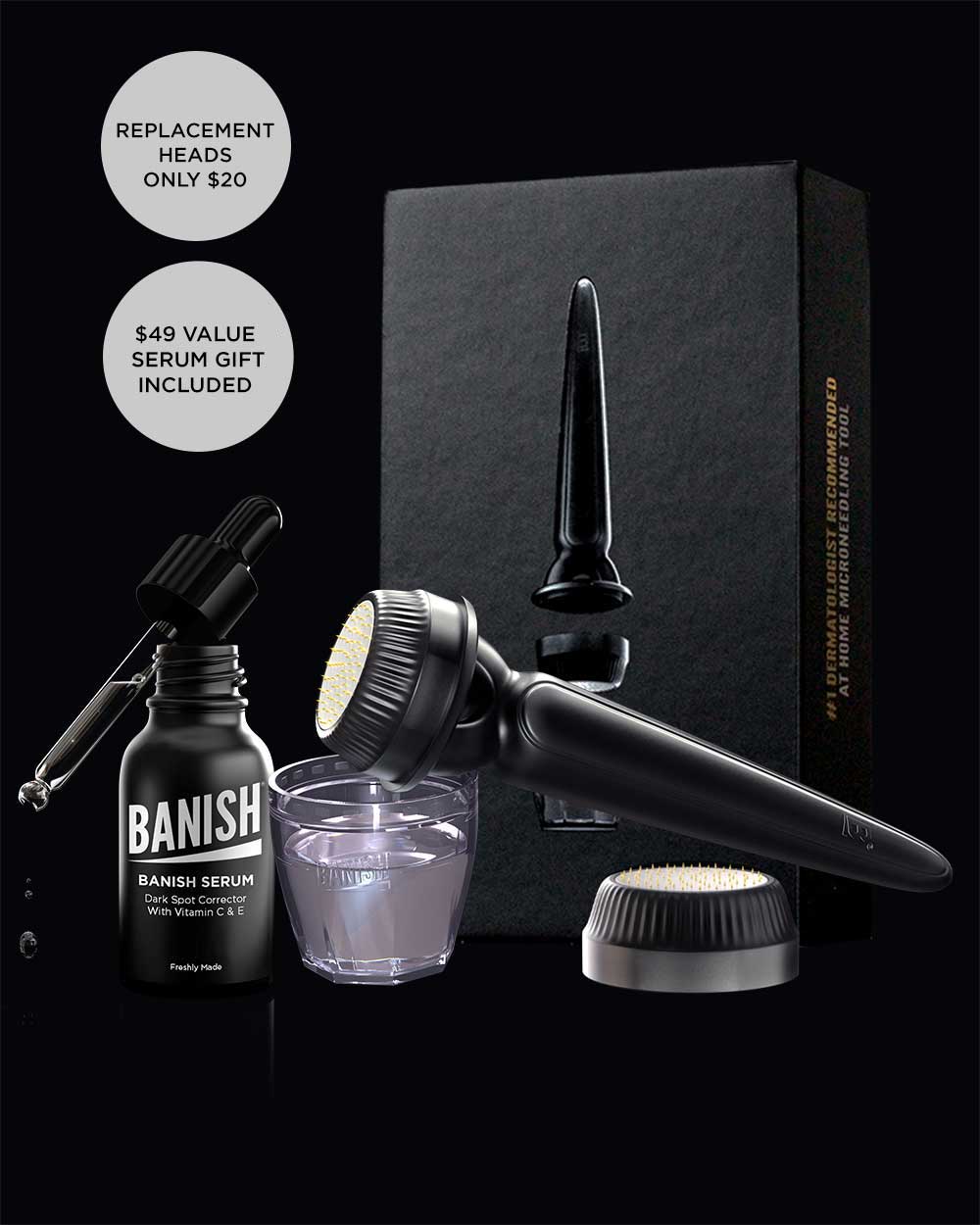
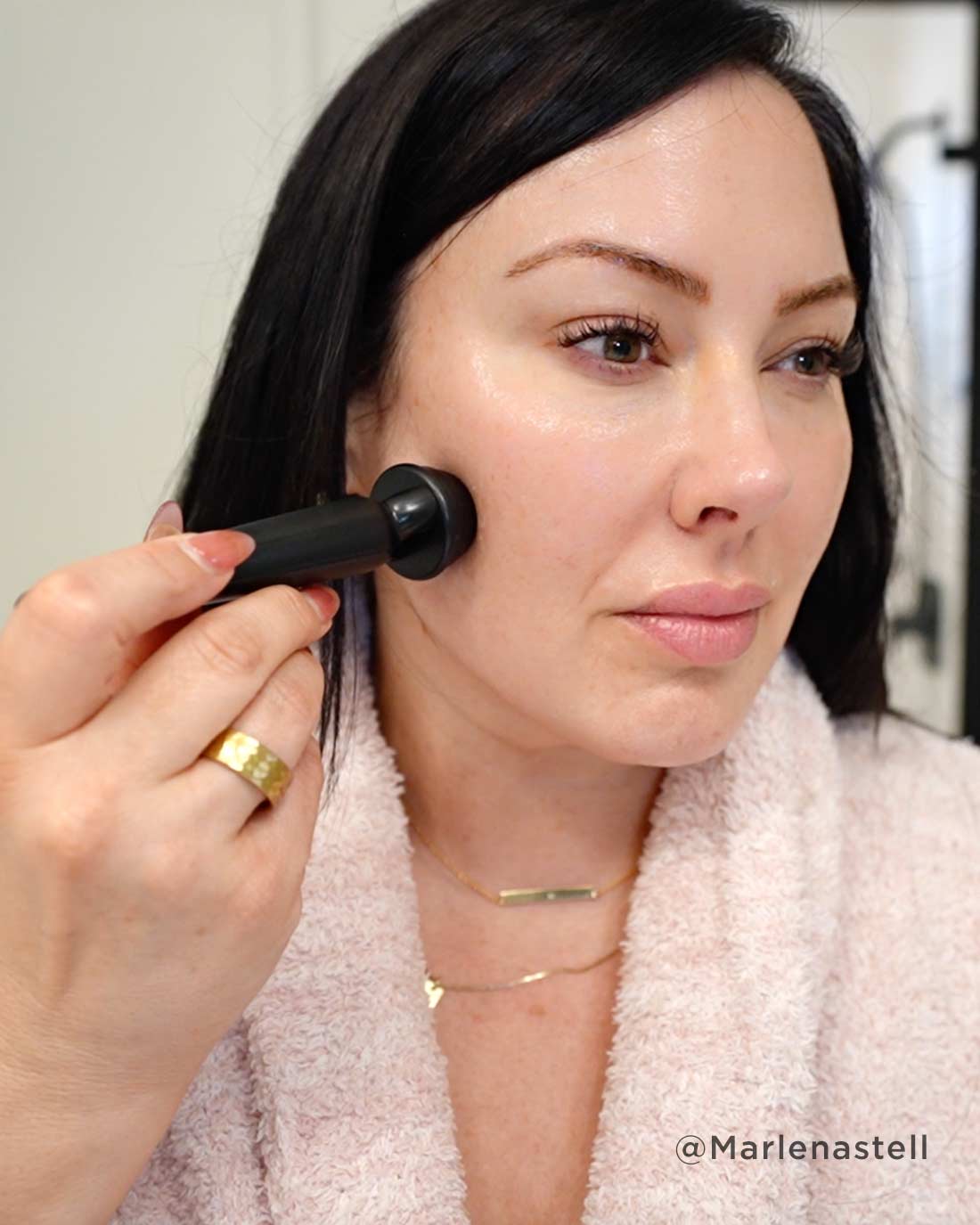
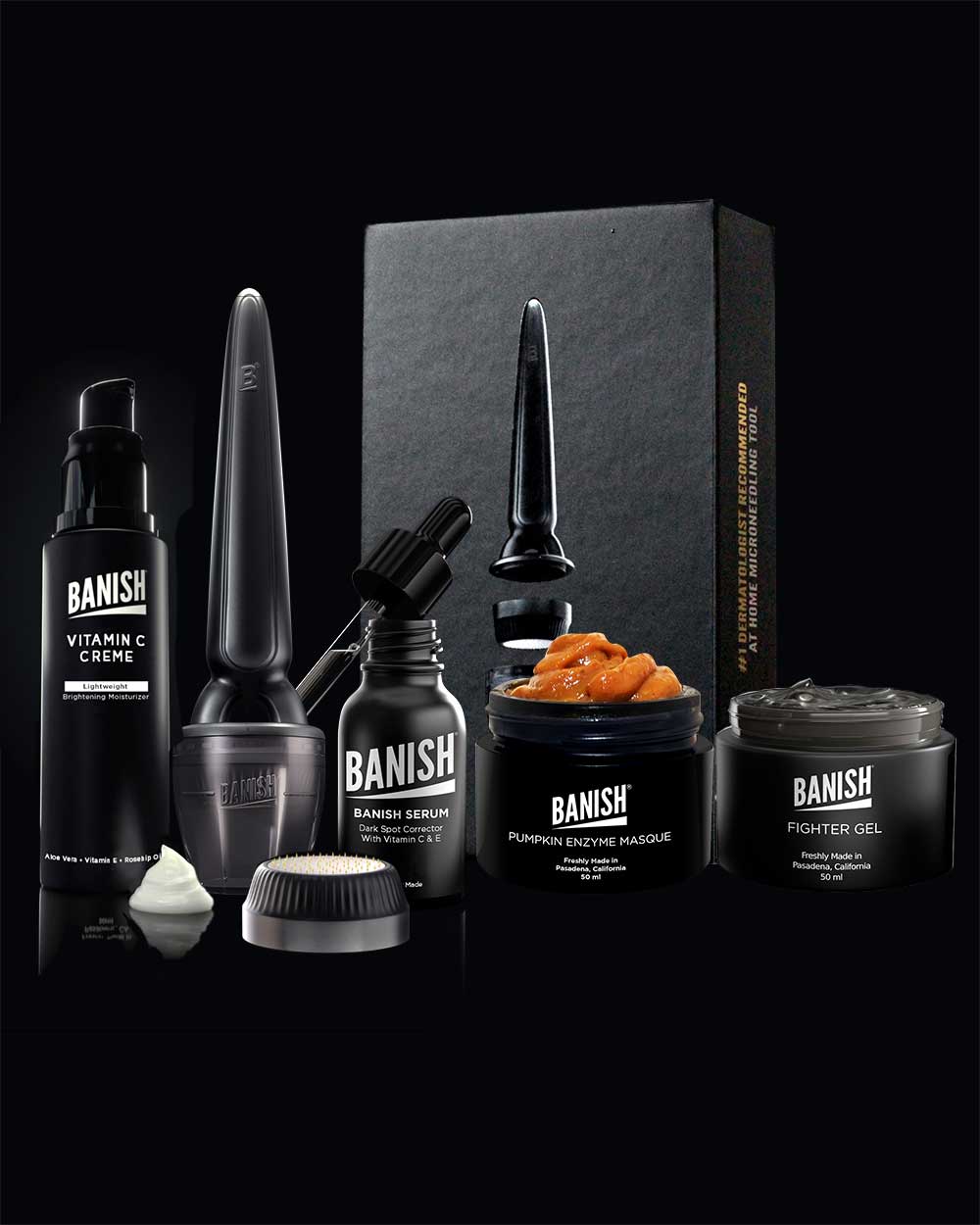
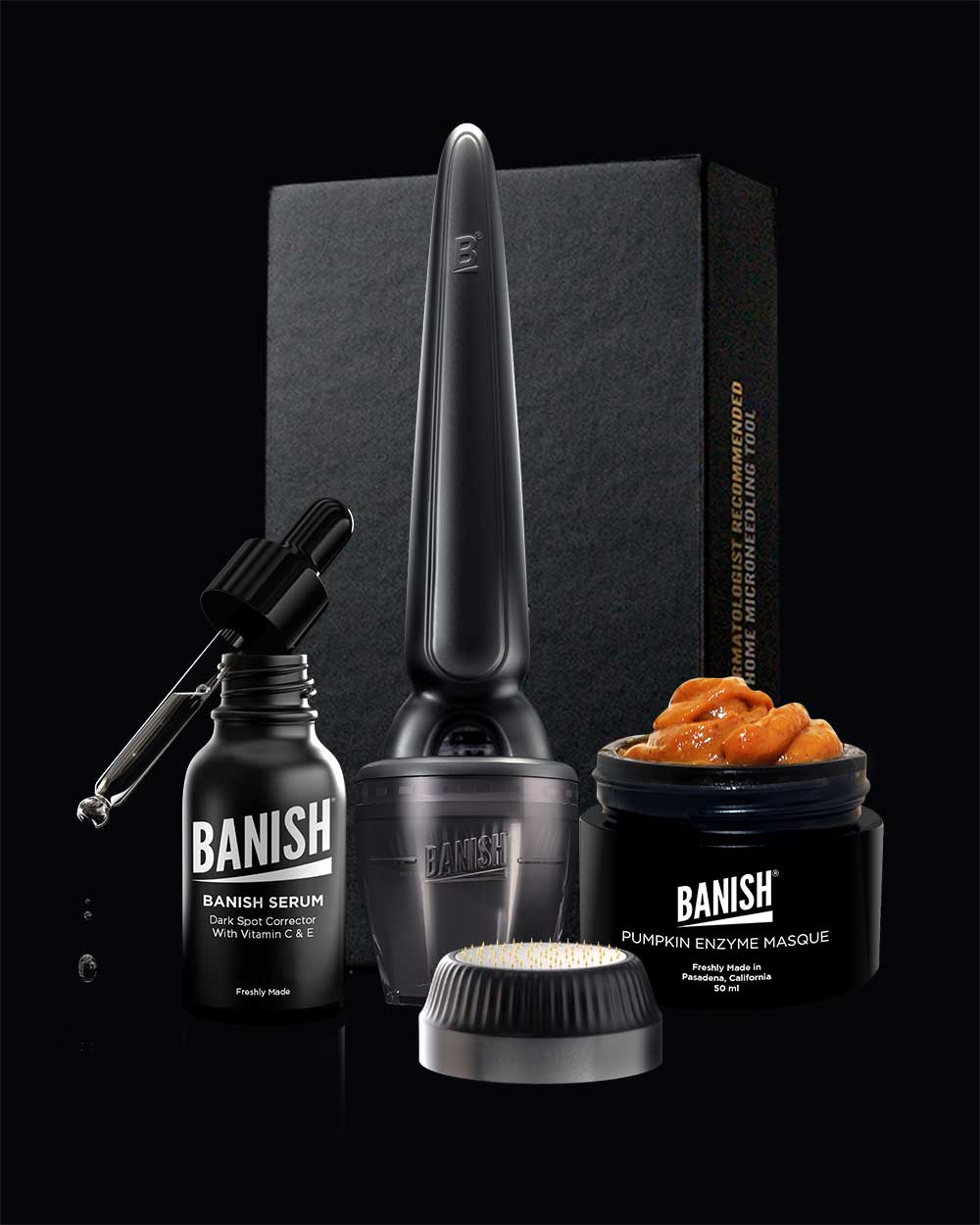
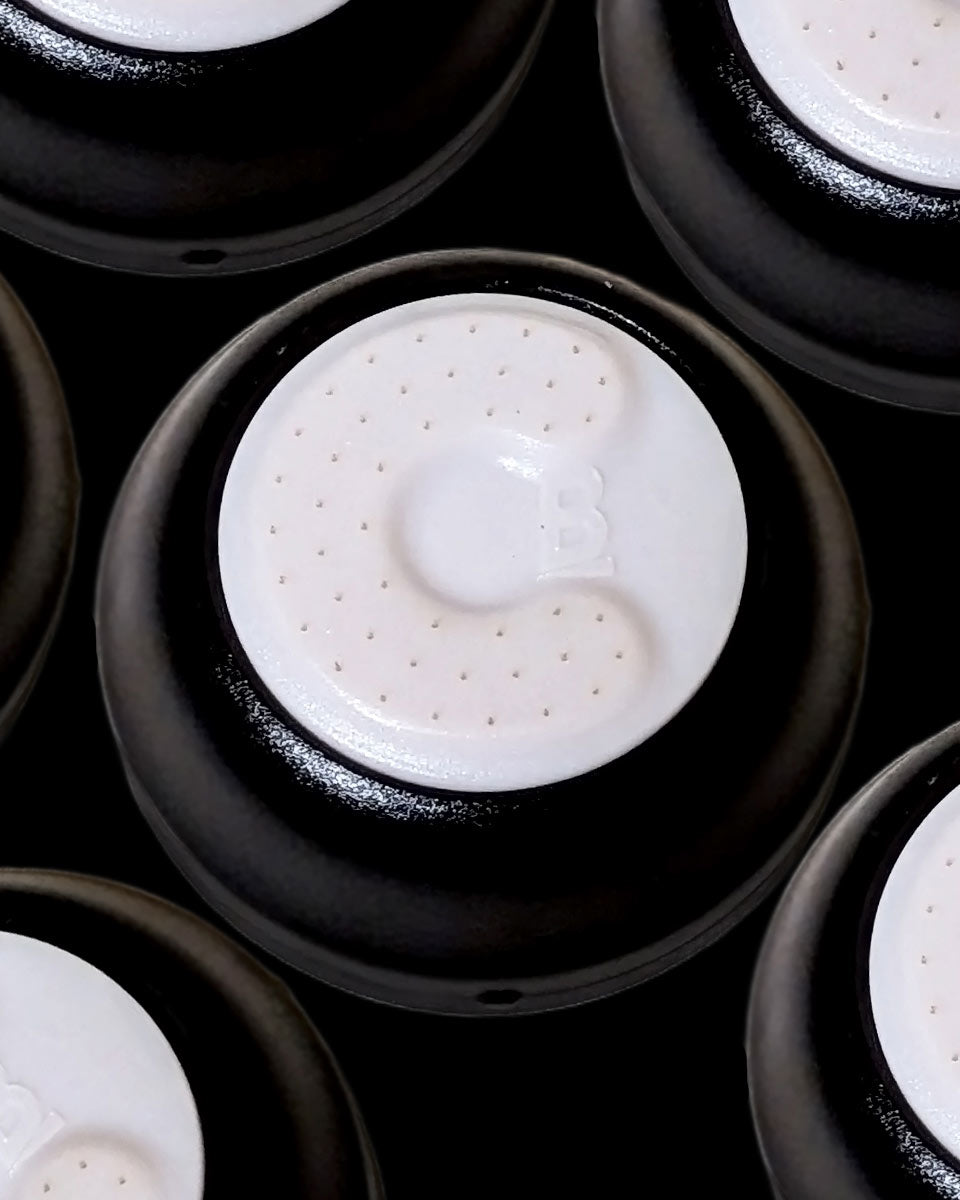
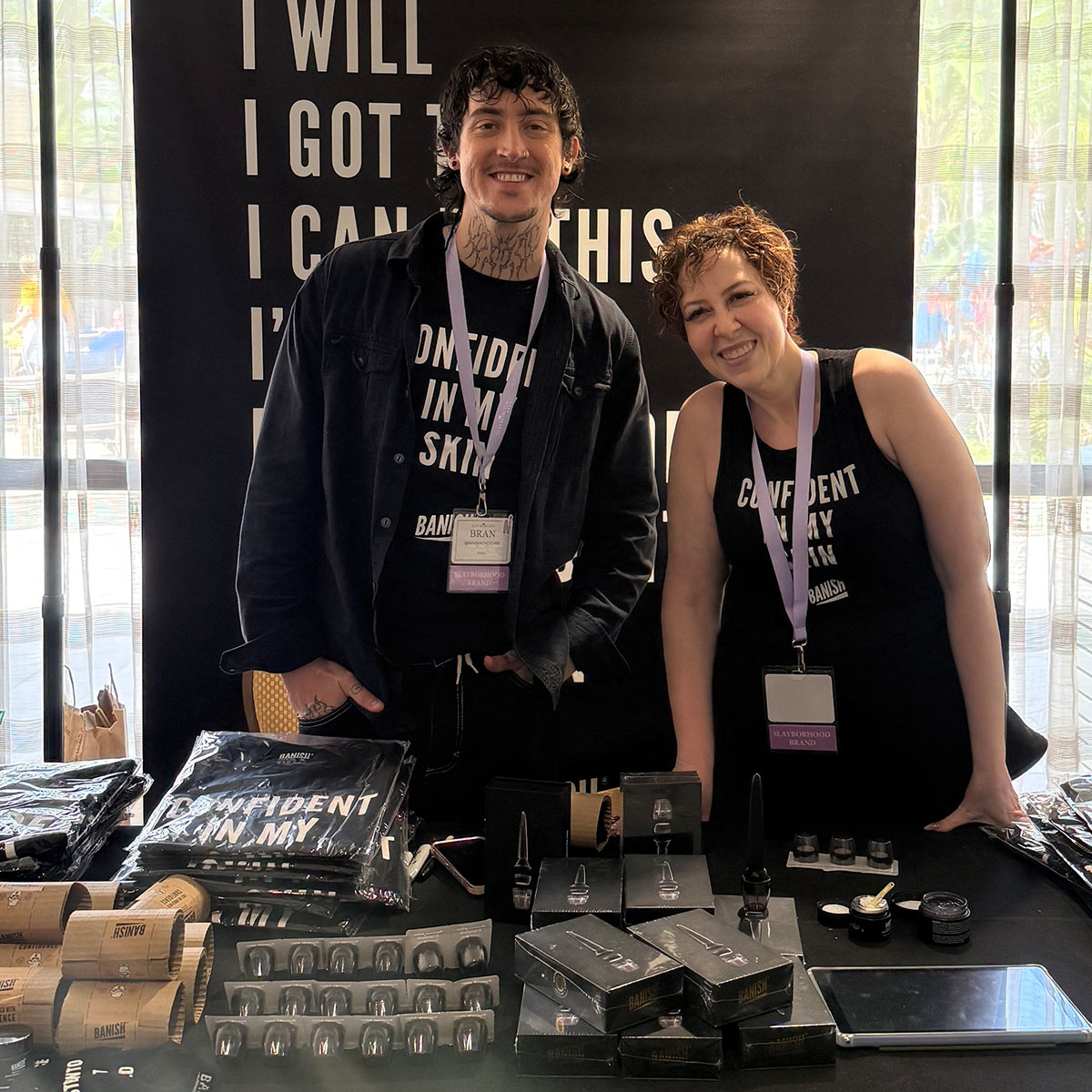
When I designed the Banish Kit, I was thinking specifically about what someone approaching at-home microneedling for the first time genuinely needs to do this safely and get real results. The Banish Kit 3.0 includes the Banisher 3.0, a stamp-design device with 0.5mm gold plated titanium needles that moves straight in and straight out rather than rolling at an angle across the skin.
That stamping motion matters because rollers create a dragging force that can cause micro-tears or uneven punctures, particularly for someone still learning. The stamp removes that risk.
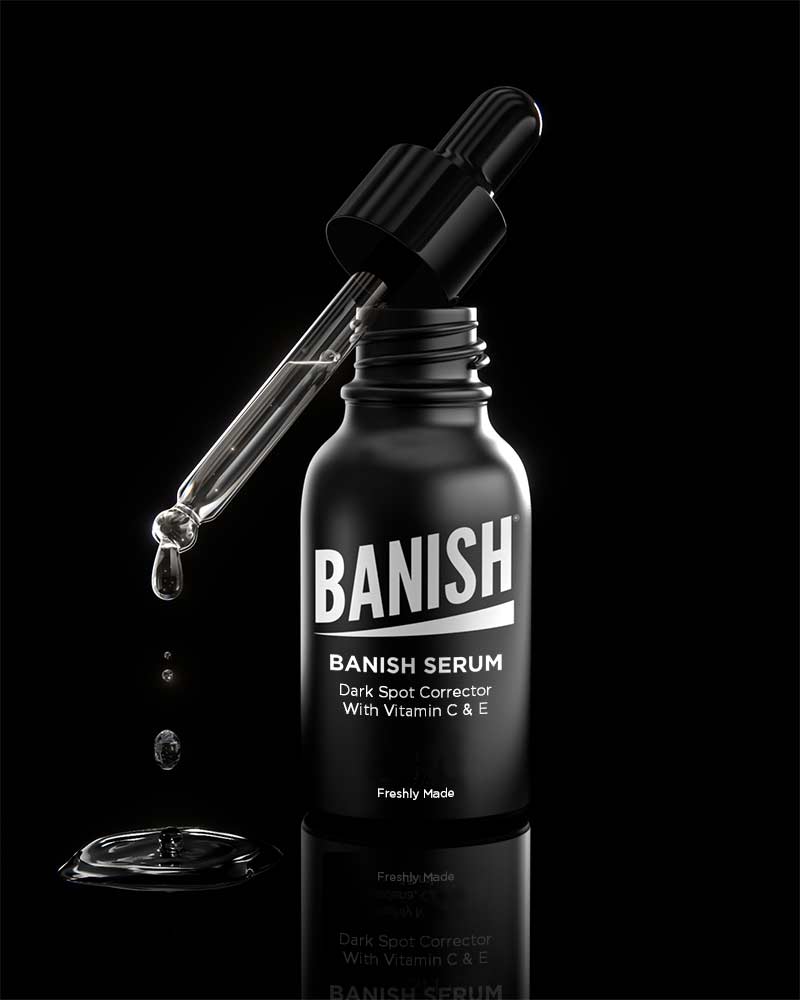
The Kit also includes the Banish Serum formulated to use right after microneedling, to support the collagen synthesis process that microneedling triggers.
You can see the full step-by-step protocol for using the Banish Kit, in our Banish Kit 101 guide.
What Realistic Results Actually Look Like
It's important to set the expectations because having unrealistic expectations causes people to abandon something that is genuinely working.
After your first session, you will likely see redness that resolves within 4 to 8 hours. Some people notice their skin looks slightly smoother or more luminous in the following week, partly due to the micro-plumping effect and improved absorption of the products applied after treatment.
Structural improvement in acne scars and skin texture typically becomes visible around the three-month mark with consistent monthly sessions. The most significant changes often appear between months four and six, as collagen remodeling compounds over time.
Skin type, scar depth, age, and how consistently you protect your skin from sun exposure between sessions all factor into your individual timeline.
Why This Moment Matters
Gen Z is asking better questions about skincare than any generation before them. They want to understand how things work, not just whether they are trending.
They are willing to commit to routines that take months to show results. And they are sharing honest experiences with each other in ways that create transparency among businesses and consumers.
That is exactly the kind of approach I built Banish for. The fact that microneedling found its way into their conversations is not surprising to me. What I find genuinely encouraging is that they are engaging with it thoughtfully rather than impulsively.
If you are not sure where to begin with your specific concerns, take our skin quiz to find the right starting point for you.
Frequently Asked Questions
Is microneedling safe for teenagers?
Microneedling is generally recommended for adults 18 and older. For teenagers dealing with active acne, the priority should be managing breakouts first to limit scarring from recurring breakouts.
How is at-home microneedling different from professional microneedling?
Professional treatments typically use deeper needle depths (1.0mm to 2.5mm) under clinical conditions and are better suited for severe, deep scarring.
At-home microneedling at 0.5mm is appropriate for ongoing maintenance, mild to moderate scarring, texture improvement, fine lines, skin tightening and preventative collagen support. The two approaches complement each other rather than compete.
Can I microneedle if I have darker skin?
Yes. Microneedling has well-documented safety across all skin tones, including deeper Fitzpatrick types that carry higher risk with laser treatments. Because it does not target melanin directly, it is a safer option for treating pigmentation concerns in darker skin.5
How long does it take to see results from microneedling?
Most people begin to see structural improvement around three months of consistent monthly sessions. Full results for acne scar reduction typically develop over six months to a year. The collagen remodeling process is gradual by design, and results built slowly tend to be more lasting than those from more aggressive single treatments.
What products should I use after microneedling?
A Vitamin C serum like the Banish Serum supports the collagen synthesis process your session triggered. You can also use a simple hyalauronic acid serum. Sunscreen is non-negotiable in the days following treatment.
How often should I microneedle?
You can start with one session every 2 weeks. This gives your skin time to complete the full healing cycle before you trigger the next one.
Can microneedling help with active acne?
No. Microneedling should never be performed over active, inflamed breakouts. It can spread bacteria and worsen existing acne. The right approach is to manage active acne first, stabilize your skin, and then begin addressing the scarring and texture left behind.
Is it safe to combine microneedling with other treatments?
Some combinations work well, and some do not. Vitamin C serums and hyaluronic acid post-treatment are both appropriate and beneficial.
Combining microneedling with retinoids, acids, or other active treatments on the same day is not recommended.
References
- What do Gen Z's really want in beauty and personal care?
- Singh A, Yadav S. Microneedling in Dermatology: A Comprehensive Review of Clinical Applications and Mechanisms. Cosmetics. 2024.
- Majid I. Microneedling Therapy for Atrophic Acne Scars: An Objective Evaluation. Journal of Cutaneous and Aesthetic Surgery. 2009;2(1):26-30.
- Gozali MV, Zhou B. Current Understanding of Microneedling Procedures for Acne Skin: A Narrative Review. Cosmetics. 2024;11(6):193.
- Aesthetic Medicine. Microneedling: Is It Still a Good Treatment for Acne Scars? A Literature Review (2020-2024).
- Banish. Complete Guide to Microneedling at Home: Expert Tips from Derms 2026.












Leave a comment
All comments are moderated before being published.
This site is protected by hCaptcha and the hCaptcha Privacy Policy and Terms of Service apply.