
If you have acne prone skin, you have probably run into a wall of acid names on ingredient labels and had no idea what any of them actually do. That is normal. Most of these acids fall into one of two families: AHAs (alpha hydroxy acids) and BHAs (beta hydroxy acids). Both are exfoliants, meaning they help your skin shed dead cells faster than it would on its own.
Your skin naturally sheds dead cells all the time, but that process slows down as you get older or when your skin barrier is stressed out from breakouts. AHAs and BHAs speed that shedding back up. Over time, that can mean smoother texture, fewer clogged pores, and lighter looking dark spots.[1]
One thing to know before you start using any of these: exfoliating acids make your skin more sensitive to the sun, and it is common to see mild redness or a little stinging the first few times you use one. Start with a lower strength, use sunscreen the next day, and stop if your skin gets irritated instead of just slightly pink.[7]
1. Glycolic Acid
Main use: texture, acne, dark spots, mild acne scarring
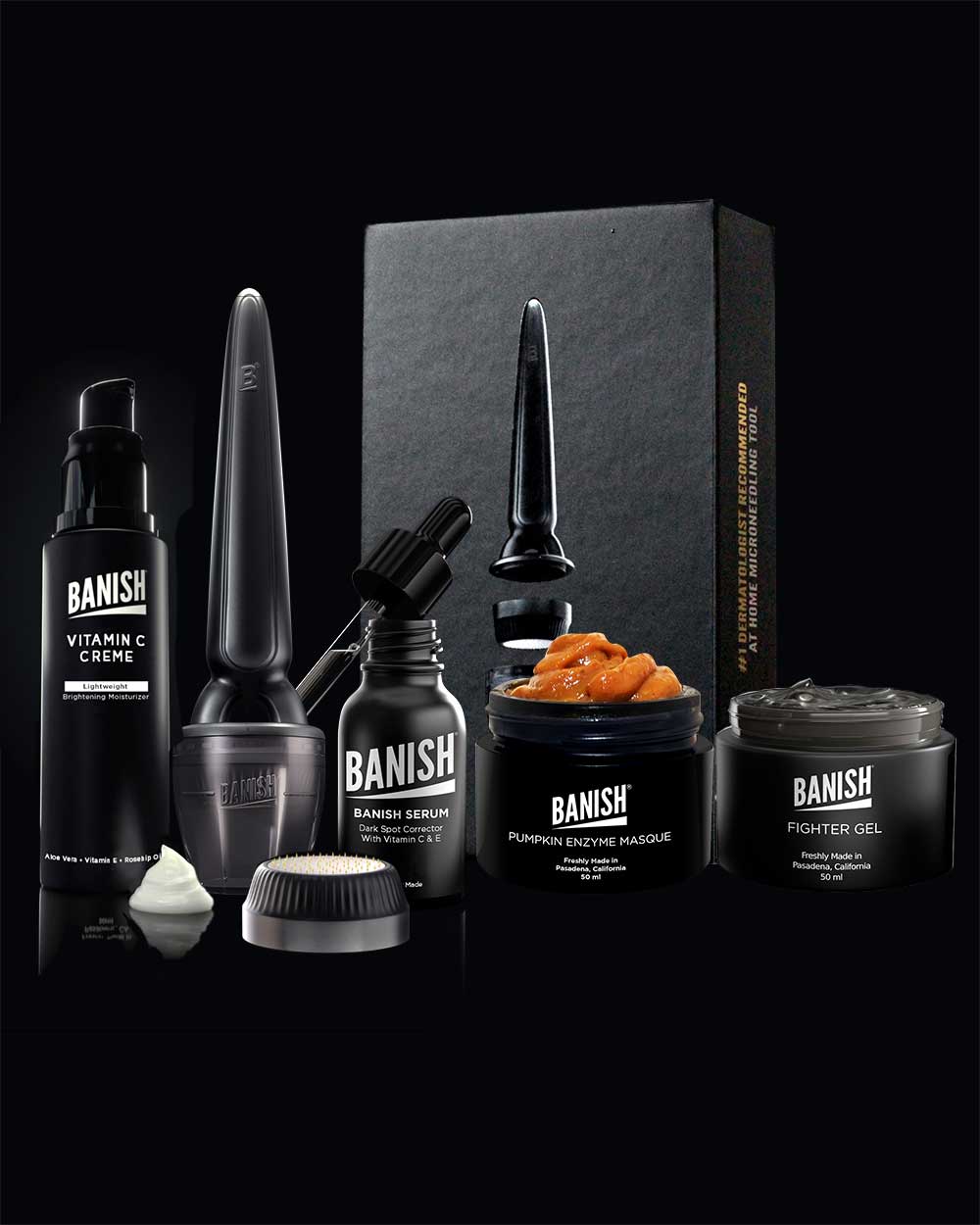
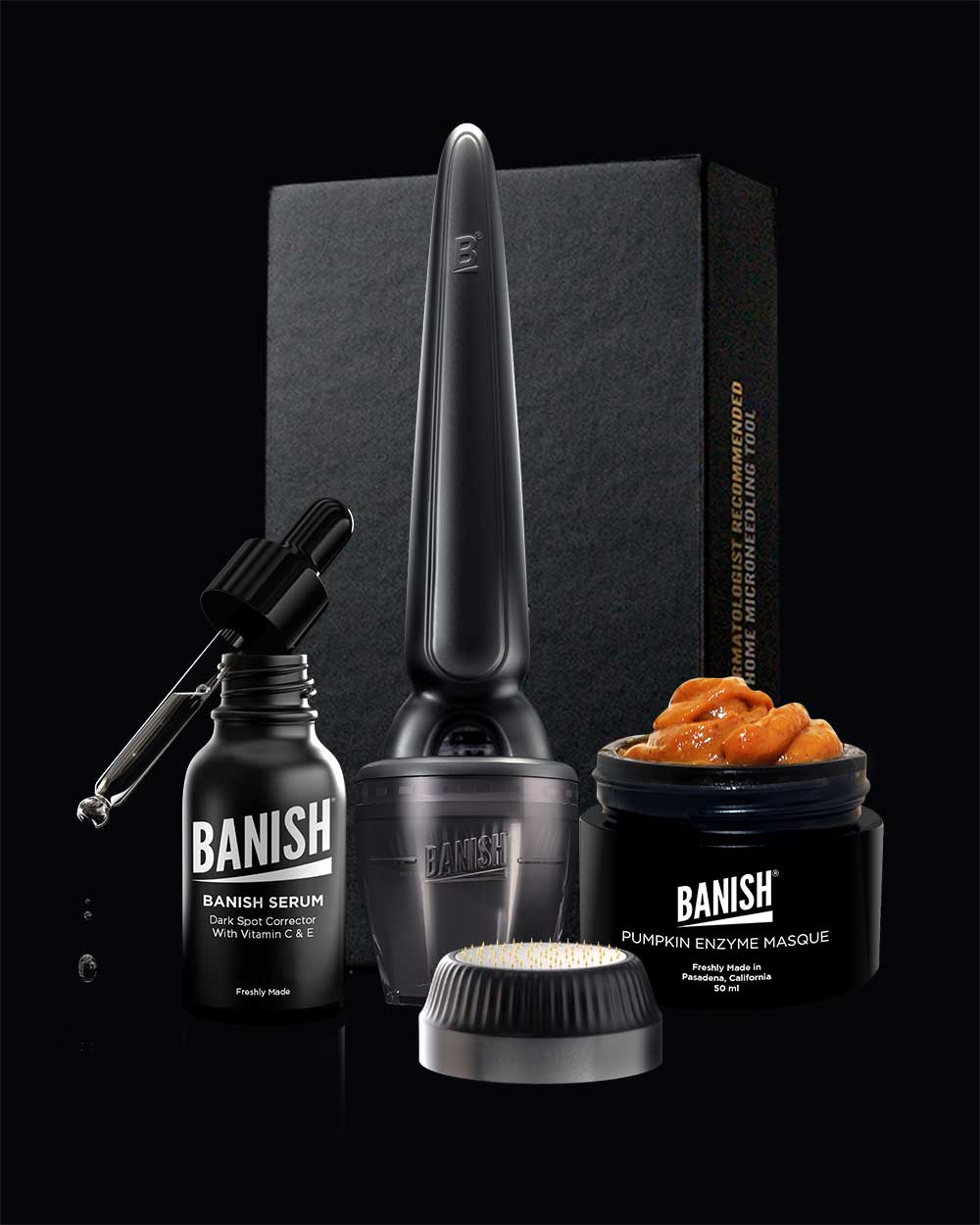
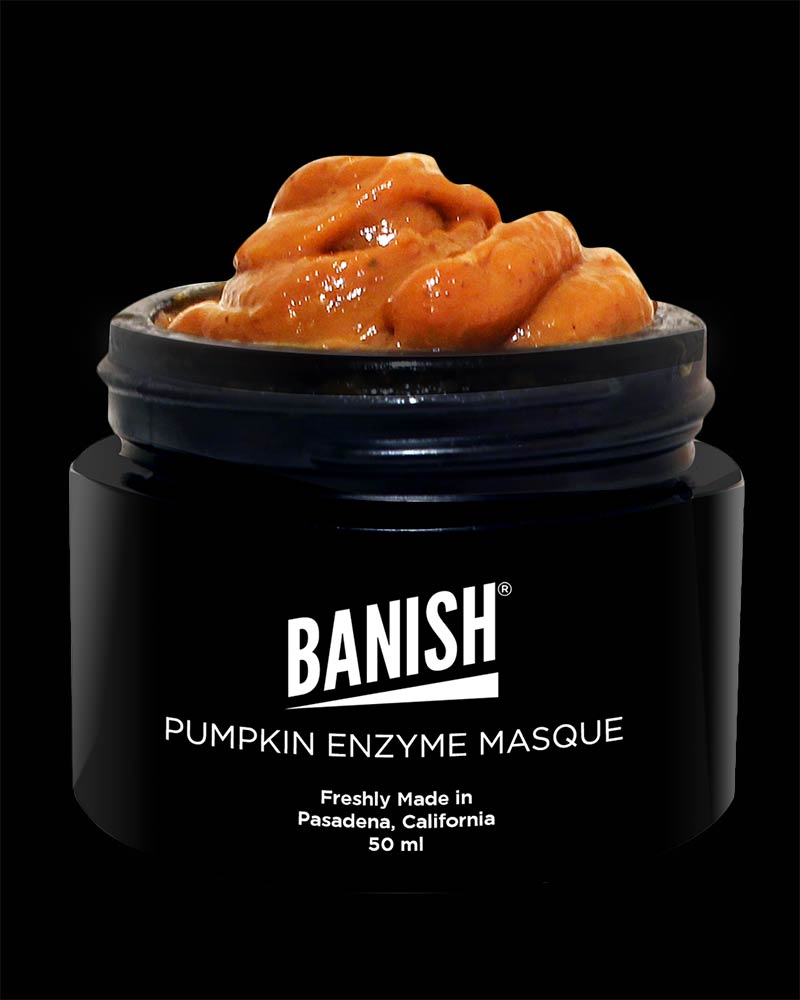
Glycolic acid is the smallest AHA, which means it soaks into skin faster and deeper than most other acids on this list. That is part of why it is one of the most studied and most used acids in skincare, and it is one of the acids we build into our own Pumpkin Enzyme Masque, since it pairs well with fruit enzymes for a powerful exfoliating effect.
Used consistently, glycolic acid supports collagen and elastin production and can help fade the look of shallow acne marks and rough texture over time.[1] It is not an overnight fix. Most people need several weeks of steady use before they see a larger difference, and that is true of pretty much every acid on this list.
2. Salicylic Acid
Main use: acne prone and oily skin
Salicylic acid is a BHA, which is the main thing that sets it apart from the acids above. AHAs work on the surface of the skin, while salicylic acid is oil soluble, so it can travel into the pore itself. That makes it especially good at breaking up the oil and dead skin buildup that leads to clogged pores and breakouts.[2]
You will usually see it in cleansers and spot treatments at around 0.5 to 2 percent. It can be drying in higher amounts, so if you are already using something strong like benzoyl peroxide, ease into salicylic acid slowly rather than layering full strength versions of both at once.
3. Azelaic Acid
Main use: acne, redness, rosacea, dark spots
Azelaic acid naturally occurs in grains like wheat, barley, and rye. It is a bit of an all rounder: it calms inflammation, fights acne causing bacteria, and slows down the enzyme that tells your skin to produce extra pigment, which is why it shows up so often in routines aimed at fading dark marks.[3]
It is also one of the gentler options here, so it is often recommended for people managing both breakouts and lingering dark spots or melasma at the same time, including sensitive or reactive skin.
4. Mandelic Acid
Main use: acne and post-breakout dark spots, especially on sensitive or deeper skin tones
Mandelic acid comes from bitter almonds and has a larger molecule size than glycolic acid, which means it tends to be gentler and less likely to cause the kind of irritation that can actually make dark spots worse. That matters a lot, since research on treating post-inflammatory dark spots in deeper skin tones consistently points to irritation and over-treatment as things that can backfire and darken the skin further.[4]
For some people, combining mandelic acid with salicylic acid works well for acne prone skin that also scars or discolors easily, though everyone's skin responds a little differently.
5. Lactic Acid
Main use: sensitive skin, gentle exfoliation, hydration
Lactic acid is naturally found in fermented dairy products like yogurt, and your body actually produces it too, especially during exercise. Compared to glycolic acid, it is milder and pulls in more moisture, which makes it a solid pick if your skin is sensitive or on the drier side but you still want the texture and tone benefits of an AHA.[1]
6. Kojic Acid
Main use: lightening dark spots and melasma
Kojic acid is made by certain fungi during fermentation. Unlike the acids above, it is not really an exfoliant. Instead, it works by slowing down melanin production, which is the pigment responsible for dark spots. Studies on kojic acid for melasma show it can improve pigmentation, especially when it is combined with other brightening ingredients.[5]
It is commonly paired with glycolic acid, since exfoliating the surface first can help brightening ingredients work more evenly across dark spots.
7. Malic Acid
Main use: gentle exfoliation, added to boost other acids
Malic acid is found naturally in apples and other fruits. On its own it is a mild AHA, but it is more often used alongside stronger acids like glycolic or lactic acid to round out a formula and add a light hydrating effect. It is a good supporting ingredient rather than something you would build a whole routine around by itself.
8. Citric Acid
Main use: mild brightening, pH balancing
Citric acid comes from citrus fruits and is one of the most common ingredients in skincare, though it is not always there to exfoliate. A lot of the time it is added in small amounts just to balance the pH of a product. In higher amounts it can offer a light exfoliating and brightening effect, similar to a mild version of glycolic acid.
9. Ferulic Acid
Main use: antioxidant, sun damage support
Ferulic acid is a plant based antioxidant found in things like oats, rice, and coffee beans. It does not exfoliate skin the way AHAs and BHAs do. Instead, it helps fight off free radical damage caused by sun exposure and pollution. It is most commonly added to vitamin C serums, since research suggests it helps vitamin C stay stable and work more effectively.
10. Hyaluronic Acid
Main use: hydration
Hyaluronic acid does not belong in the same category as the acids above. It is not an exfoliant at all and doesn't directly help brighten dark spots. Instead, It is a humectant, meaning it pulls water into the skin and holds onto it, which is why it shows up in so many moisturizers and serums. Your body naturally produces less of it as you age, which is part of why skin can feel drier and less plump over time.
Most people get what they need from a topical hyaluronic acid serum, though some newer research on oral hyaluronic acid supplements has shown improvements in skin hydration and elasticity as well.[6]
Putting It Together
You do not need all ten of these in your routine, and honestly, using too many strong acids at once is more likely to irritate your skin than speed up results. Pick one or two that match what you are actually dealing with, whether that is active breakouts, lingering acne scars, or dark spots that stuck around after a breakout healed.
Give whatever you choose a chance, which usually means at least 2 to 3 months of consistent, low and slow use, before deciding if it is working.
References
- Evaluating the Efficacy and Safety of Alpha-Hydroxy Acids in Dermatological Practice: A Comprehensive Clinical and Legal Review. PubMed. https://pubmed.ncbi.nlm.nih.gov/39050562/
- Pharmacology of Salicylic Acid in Acne Vulgaris. Journal of the American Academy of Dermatology. https://www.jaad.org/article/S0190-9622(06)02999-9/fulltext
- Azelaic Acid in Dermatology: A Review of Its Mechanism of Action. PMC. https://pmc.ncbi.nlm.nih.gov/articles/PMC12517662/
- Treatment of Post-Inflammatory Hyperpigmentation in Skin of Colour: A Systematic Review. PMC. https://pmc.ncbi.nlm.nih.gov/articles/PMC11514325/
- Kojic Acid vis-a-vis its Combinations with Hydroquinone and Betamethasone Valerate in Melasma: A Randomized, Single Blind, Comparative Study of Efficacy and Safety. Indian Journal of Dermatology, PubMed. https://pubmed.ncbi.nlm.nih.gov/23918998/
- Oral Administration of Hyaluronic Acid to Improve Skin Conditions via a Randomized Double-Blind Clinical Test. PubMed. https://pubmed.ncbi.nlm.nih.gov/38009035/
- How to Safely Exfoliate at Home. American Academy of Dermatology. https://www.aad.org/public/everyday-care/skin-care-secrets/routine/safely-exfoliate-at-home













Leave a comment
All comments are moderated before being published.
This site is protected by hCaptcha and the hCaptcha Privacy Policy and Terms of Service apply.