
One of the most frustrating parts of dealing with acne is watching someone else's routine clear their skin while yours stays the same. You try the same products, follow the same steps, and nothing moves. I lived that experience for years before I started Banish, and it is a big part of why I have always believed that acne is not a skincare problem you can solve by copying someone else.
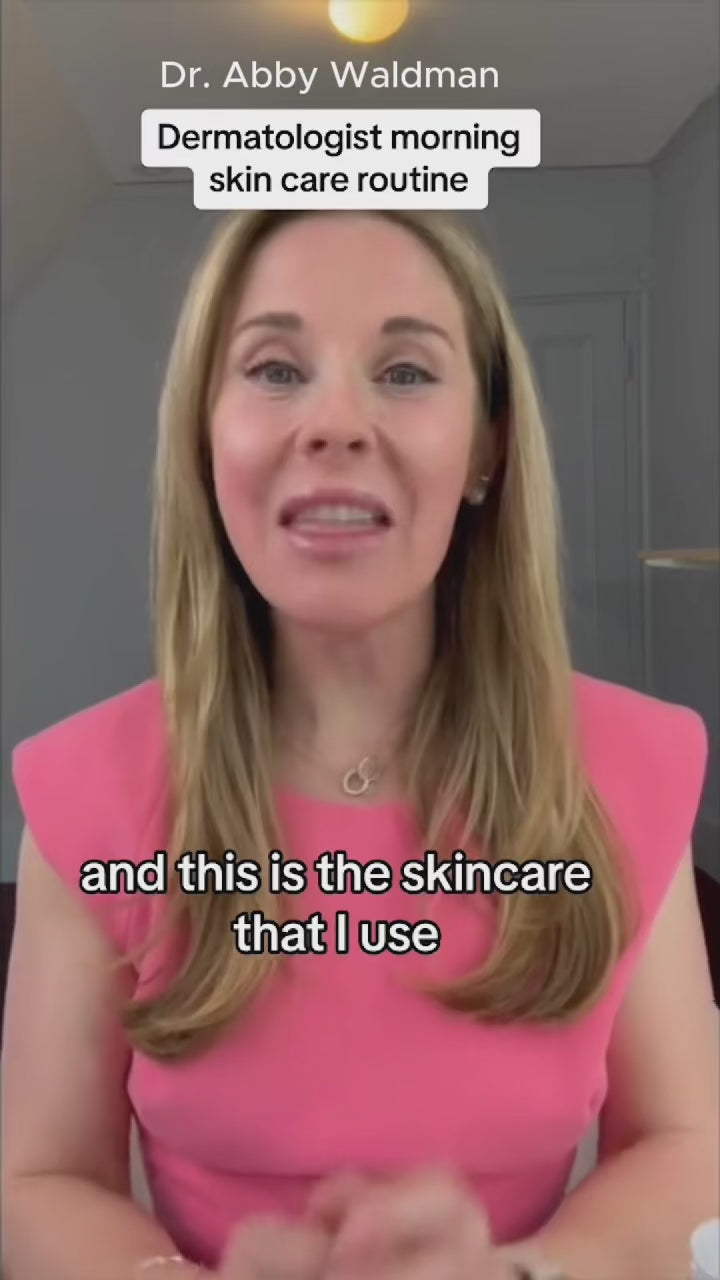
A few years ago, Banish hosted a webinar bringing together different perspectives on acne treatment. The conversation covered gut health, prescription medications, diet, and why finding the right approach often takes more than a great cleanser. This article summarizes the main points from that webinar, updated with current research to give you a clearer picture of what might actually be driving your breakouts.
While this won't completely substitute working with a dermatologist or doctor, understanding these factors can help you get a better idea of what could be contributing to acne so you can stop feeling like you are guessing.
Key Takeaways
- Acne is influenced by multiple factors, including skin, gut health, hormones, medications, and diet. Topical skincare addresses only one part of that picture.
- The gut-skin connection is a growing area of research, but claims about leaky gut directly causing acne are not yet firmly established in the literature.
- Oral antibiotics can be effective for moderate acne but should be used for the shortest time necessary to reduce the risk of antibiotic resistance.
- Isotretinoin (Accutane) is a serious medication with significant side effects and requires close medical supervision. It is not a casual option.
- A low-glycemic diet and reducing dairy intake have some research support for improving acne, though individual responses vary.
- Finding the right approach often means looking at multiple factors rather than trying one thing at a time in isolation.
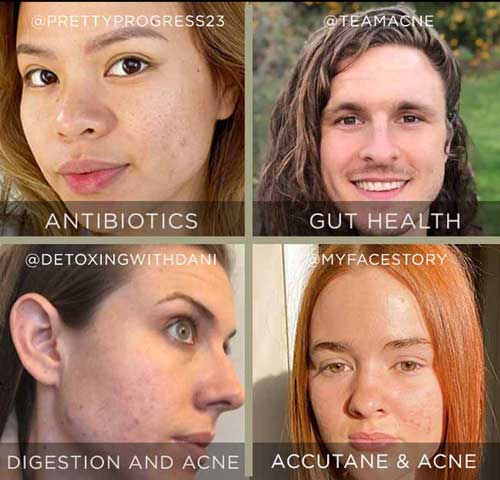
Leaky Gut and Acne featuring Brian Turner
Acne Is Not One-Size-Fits-All
The reason generic acne advice so often fails is that acne itself is not one condition. It is a common outcome of several different underlying processes, including excess sebum production, clogged pores, bacterial imbalance, inflammation, hormonal fluctuations, and in some cases, internal factors that have nothing to do with what you put on your face.
The American Academy of Dermatology recognizes that effective acne treatment depends on the type of acne, its severity, your skin type, and how your skin has responded to previous treatments.1
Two people with the same visible breakouts may need completely different approaches. That is why the starting point is not a product recommendation but an assessment of what might be contributing to your specific situation.
The Gut Health Connection
We want to cover a lot on gut health partly because it comes up so often in acne conversations and partly because it is one of the most misunderstood topics in this space.
There is research supporting the idea that the gut and skin communicate in meaningful ways. Scientists refer to this as the gut-skin axis, a bidirectional relationship in which the composition of your gut microbiome can influence inflammation, immune function, and skin barrier health.2
Disruptions to the gut microbiome, through antibiotic use, a highly processed diet, chronic stress, or other factors, may contribute to systemic inflammation that shows up in the skin.
This does not mean everyone's acne is caused by gut problems. And it does not mean leaky gut directly causes breakouts as an established medical fact. The research in this area is still developing, and most of the studies involve small sample sizes or animal models.
What is fair to say is that gut health appears to be a relevant factor for some people, and it is worth paying attention to if you have digestive symptoms alongside persistent acne.
What "Leaky Gut" Actually Means
In the webinar, we talked about leaky gut as a way to describe increased intestinal permeability, a state in which the tight junctions in the gut lining become less effective at filtering what enters the bloodstream.
The idea is that bacteria, undigested food particles, and other compounds can pass through and trigger an immune and inflammatory response throughout the body.
This concept is accepted in research, though the degree to which it directly drives skin conditions like acne is not yet well characterized.3 If you experience bloating, irregular digestion, food sensitivities, or fatigue alongside your acne, it may be worth discussing gut health with your doctor as one piece of the picture.
Supporting Gut Health Through Diet and Lifestyle
The general guidance around gut support includes incorporating probiotic-rich foods such as kimchi, sauerkraut, kefir, and kombucha, and reducing processed foods, excess refined sugars, and other dietary patterns that can disrupt the microbiome.
These are low-risk changes that have support in the broader nutrition literature, even if their direct effect on acne specifically has not been conclusively measured.
Supplementing with a quality probiotic, particularly after a course of antibiotics, is also commonly recommended. Antibiotics alter the gut microbiome significantly, and restoring balance afterward is a practical step.4
Digestion And Acne Featuring Nutritionist Dani
There is another condition called dysbiosis which occurs when the bad bacteria overtakes the good bacteria in our gut.
Take note of what you eat and avoid foods that could cause more inflammation in the gut such as spicy foods, caffeine, or highly acidic foods.
Medications and Acne Treatment
For moderate to severe acne, topical skincare alone is often not enough. Two medication categories came up repeatedly in the webinar: antibiotics and isotretinoin. Both have roles in acne treatment, and both come with considerations worth understanding before you start.
Antibiotics
Oral antibiotics, particularly tetracyclines like doxycycline and minocycline, and macrolides like azithromycin, are commonly prescribed for inflammatory acne.
They work by reducing the bacterial load of Cutibacterium acnes (formerly Propionibacterium acnes) and by exerting anti-inflammatory effects that differ from their antibacterial action.1
The critical issue with oral antibiotics is antibiotic resistance. Dermatologists and public health organizations have raised consistent concern about the long-term use of topical and oral antibiotics for acne.
Guidelines from the American Academy of Dermatology recommend that oral antibiotics be used for the shortest duration necessary, combined with a benzoyl peroxide product to reduce the risk of resistance developing, and not used as long-term monotherapy.1
In the webinar, we talked about limiting antibiotic courses to approximately three months when possible and always pairing them with a topical agent.
If antibiotics are helping your skin but your prescriber has not discussed an exit plan or a combination approach, that is a conversation worth raising at your next appointment.
Taking a quality probiotic during and after an antibiotic course can help preserve gut flora that the antibiotics disrupt. It will not protect your skin microbiome directly, but it can reduce the digestive side effects that sometimes accompany antibiotic use.
Antibiotics and Acne ft. Liz Claire
Accutane (Isotretinoin)
Isotretinoin is an oral retinoid derived from vitamin A. It is the most effective treatment currently available for severe, nodular, or treatment-resistant acne, with studies showing long-term remission in a significant proportion of patients after a single course.5
It is also a medication with serious potential side effects that requires close medical supervision.
These include teratogenicity (it causes severe birth defects and cannot be taken during pregnancy), potential effects on mood and mental health, elevated liver enzymes, elevated blood lipids, and significant skin and mucosal dryness.
Patients in the United States must enroll in the iPLEDGE program, a mandatory risk management system, before they can be prescribed isotretinoin.5
In the webinar, the framing around isotretinoin was consistent with how most dermatologists approach it: it is reserved for situations where other treatments have not worked, and it is not something to pursue casually.
If your dermatologist has recommended it for you, the risks have been weighed against your specific situation. If you are considering asking about it, going into that conversation with a clear understanding of what it involves will help you make a more informed decision.
Taking isotretinoin with a fatty meal significantly improves absorption and is a standard recommendation to follow throughout your course. Results typically begin to appear after four to eight weeks, though the initial weeks can sometimes involve a temporary increase in breakouts before improvement begins.
If you are currently on or recently completed a course of isotretinoin, avoid microneedling and other resurfacing treatments until at least six months after finishing. The skin remains more fragile and sensitive to injury during and after treatment.
What you need to know about Accutane featuring Kali
What other medications treat acne?
Acne medications work by reducing oil production and swelling or by treating bacterial infection. With most prescription acne drugs, you may not see results until at least 4 or eight weeks. It can take many months or sometimes years for your acne to clear up completely.
There are a variety of topical and oral medications that your dermatologist would prescribe for treating your acne, such as other forms of topical vitamin A like tretinoin gel or cream, adapalene gel, or dapsone cream depending on the severity and type of acne you have.
There’s no one-size-fits all solution to treating acne and not everyone’s approach would work the same as yours. You may want to combine traditional medications with factors like gut health and diet in the next section to get to the core cause of acne.
How Diet Influences Acne
Diet is probably the most contested factor in acne discussions, partly because individual responses vary widely and partly because the research, while growing, is still not definitive enough to produce universal dietary guidelines for acne.
That said, two areas have enough evidence to be worth taking seriously: glycemic load and dairy intake. We covered both in the webinar, and the research has continued to develop since then.
Glycemic Load and Breakouts
A high-glycemic diet, one that causes rapid spikes in blood sugar, is associated with increased insulin and insulin-like growth factor 1 (IGF-1) levels. Elevated IGF-1 stimulates sebaceous gland activity, increases androgen sensitivity, and promotes inflammation, all of which are mechanisms relevant to acne development.6
Several studies have found that switching to a low-glycemic diet is associated with measurable improvement in acne, including reductions in lesion count and sebum production.6
These studies are not large enough to produce clinical guidelines, but the plausible biological mechanism and consistent direction of the findings make this a reasonable area to experiment with if you have not already.
In practice, this means reducing foods like white bread, white rice, sugary drinks, and highly processed snacks, and replacing them with whole grains, legumes, vegetables, and foods with lower glycemic impact. This does not need to be an extreme dietary overhaul. Small, consistent changes may be enough to notice a difference.
Dairy and Acne
The relationship between dairy and acne has been studied for over two decades, and while the findings are not fully consistent, the general direction of the evidence points toward conventional cow's milk being a potential contributor for some people.
The proposed mechanism involves IGF-1. Cow's milk naturally contains IGF-1, and consuming dairy raises IGF-1 levels in the blood, which in turn can increase sebum production and promote the kind of cellular activity inside pores that leads to comedone formation.7
Skim milk appears to have a stronger association with acne than whole milk in some studies, possibly due to differences in how the whey protein fraction is processed.
This does not mean dairy causes acne in everyone. Some people notice no change when they reduce it.
Others see an improvement within a few weeks. If you have not tried eliminating dairy for four to six weeks to assess the impact, it is a low-risk experiment worth running.
If dairy seems to worsen your skin, removing it is a a good idea regardless of whether the science fully explains why it affects you specifically.
Building an Approach That Works for You
The central point is that acne rarely has one cause and rarely responds to one intervention. The people who find lasting improvement are usually the ones who look at multiple factors at the same time rather than cycling through treatments one at a time without a framework.
A useful starting point is to ask yourself what you actually know about your skin. Have you ever tracked whether certain foods correlate with breakouts? Have you had your gut health or hormone levels evaluated? Have you worked with a dermatologist to assess which topical treatments seem to have had no effect?
None of these questions has a universal answer. But asking them puts you in a more active and informed position than simply following what worked for someone else on social media.
If you are dealing with both active breakouts and the marks they leave behind, it helps to know that both problems are addressable. Once breakouts are more under control, then you can start addressing more seriously post-inflammatory hyperpigmentation, skin texture, and the longer-term work of rebuilding the skin surface.
Once Acne Is More Under Control
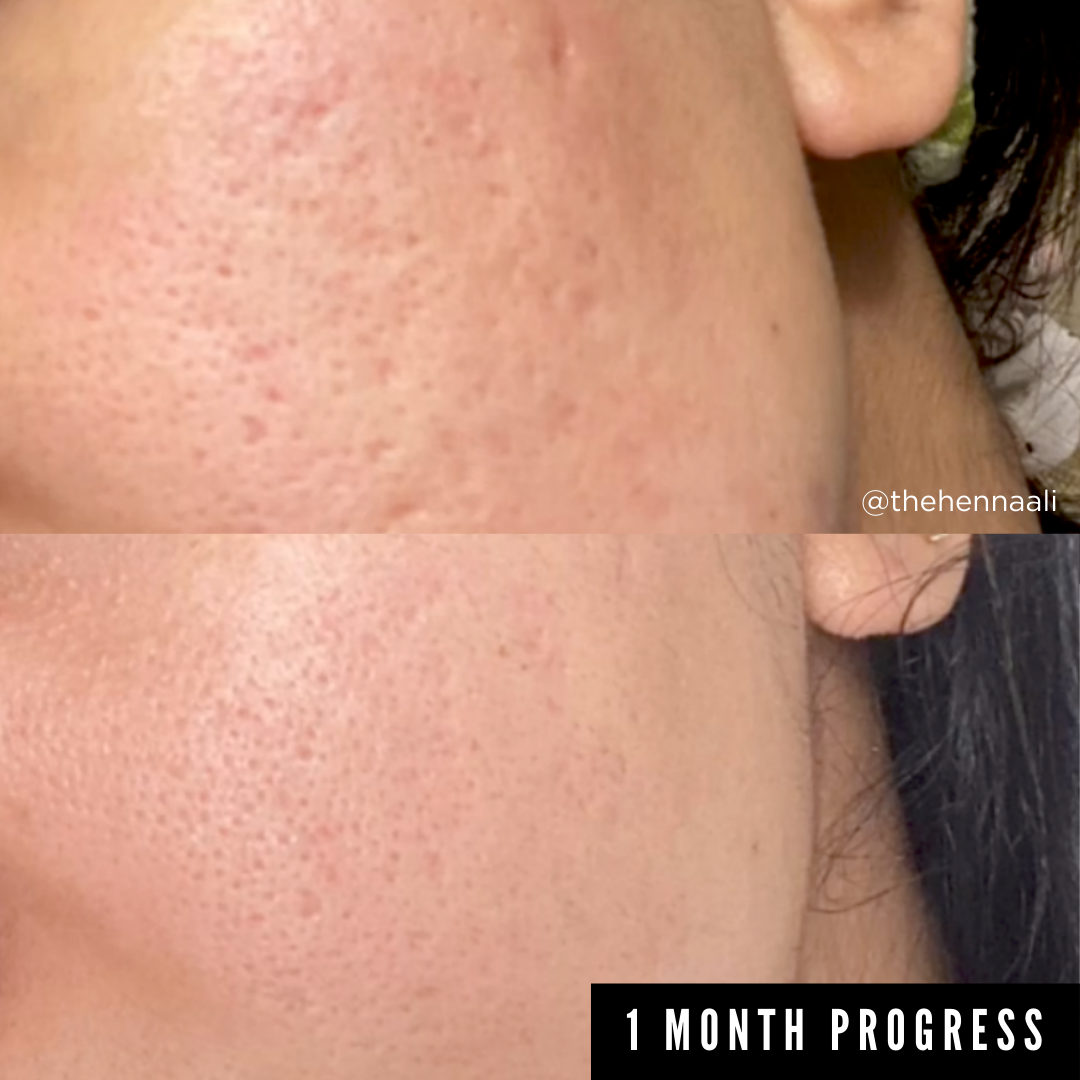
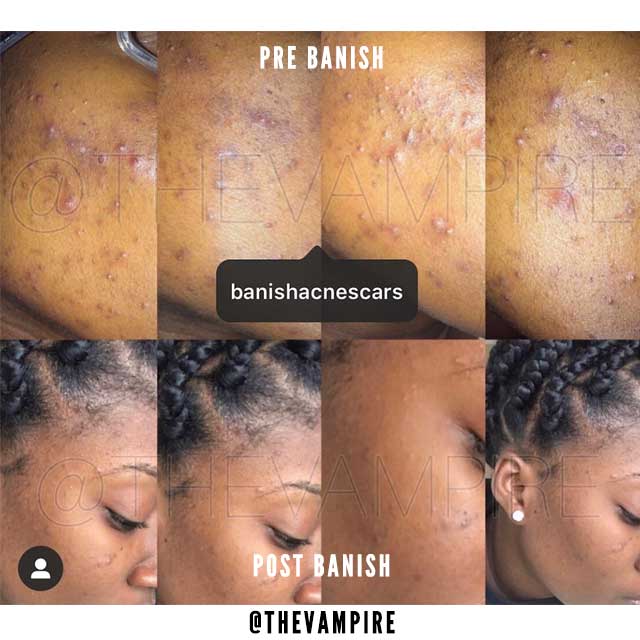
Clearing active acne is only part of the picture. For many people, the skin that remains after breakouts subside is textured, uneven, and marked by acne scars and dark spots that can persist long after the breakouts themselves have stopped.
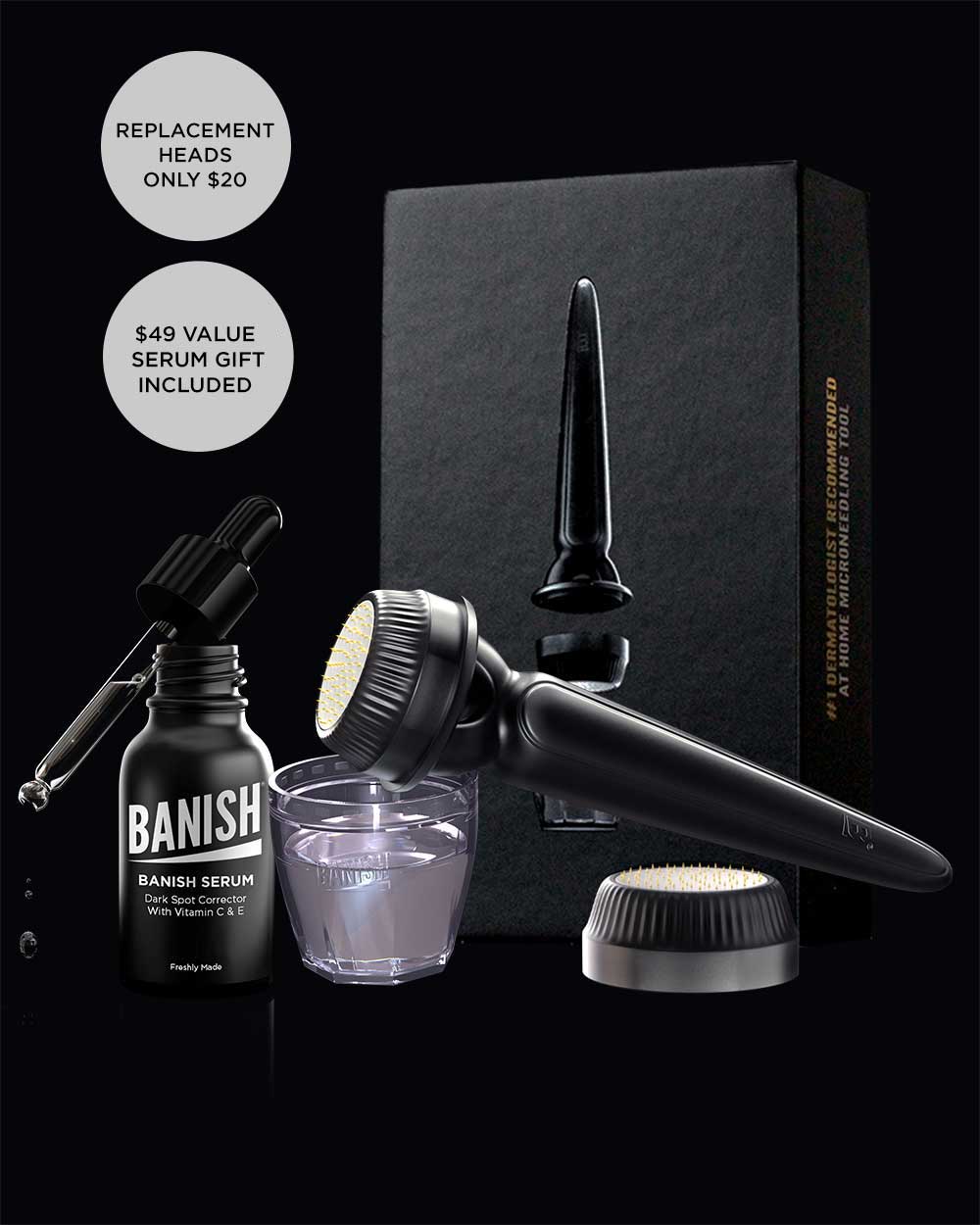
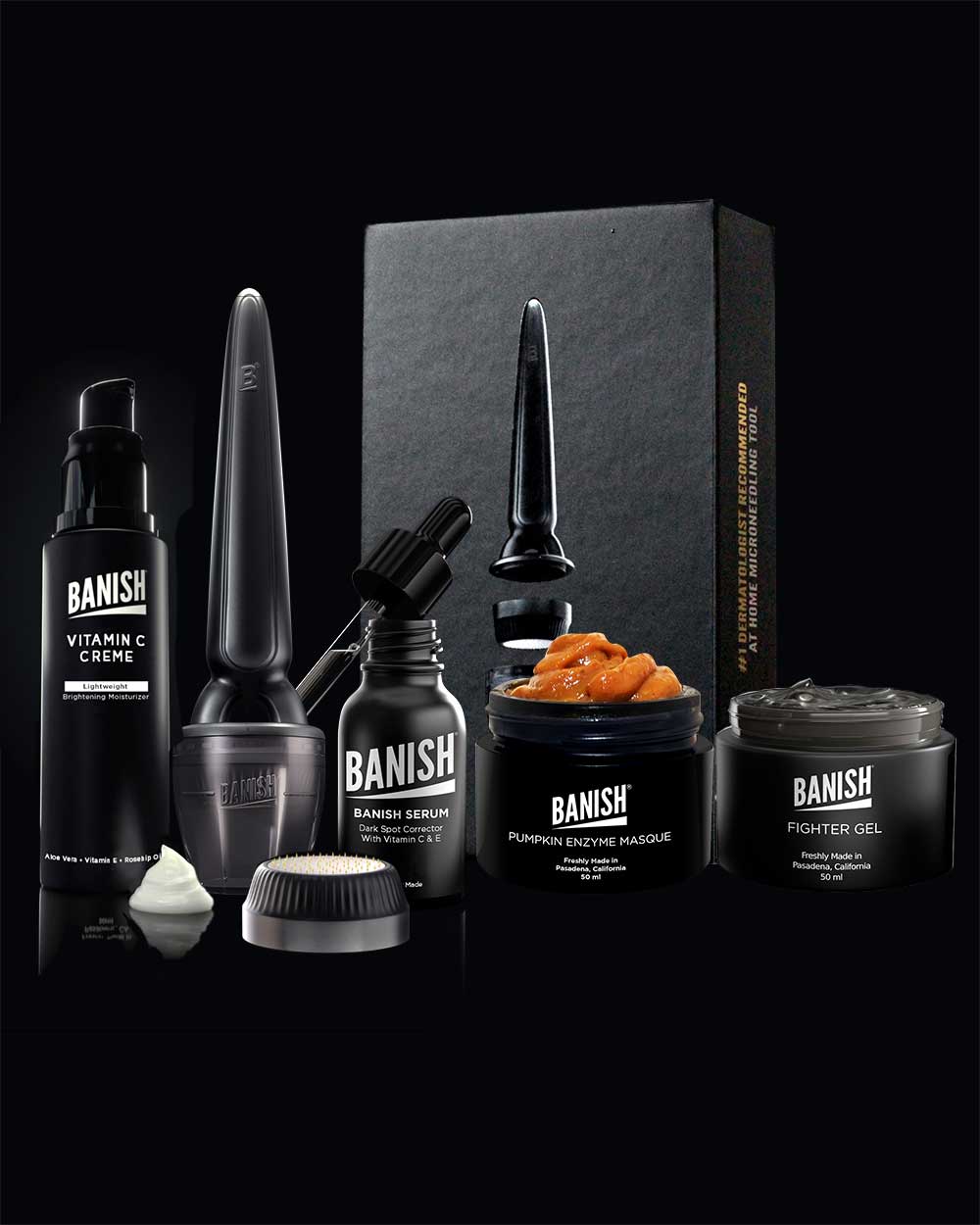
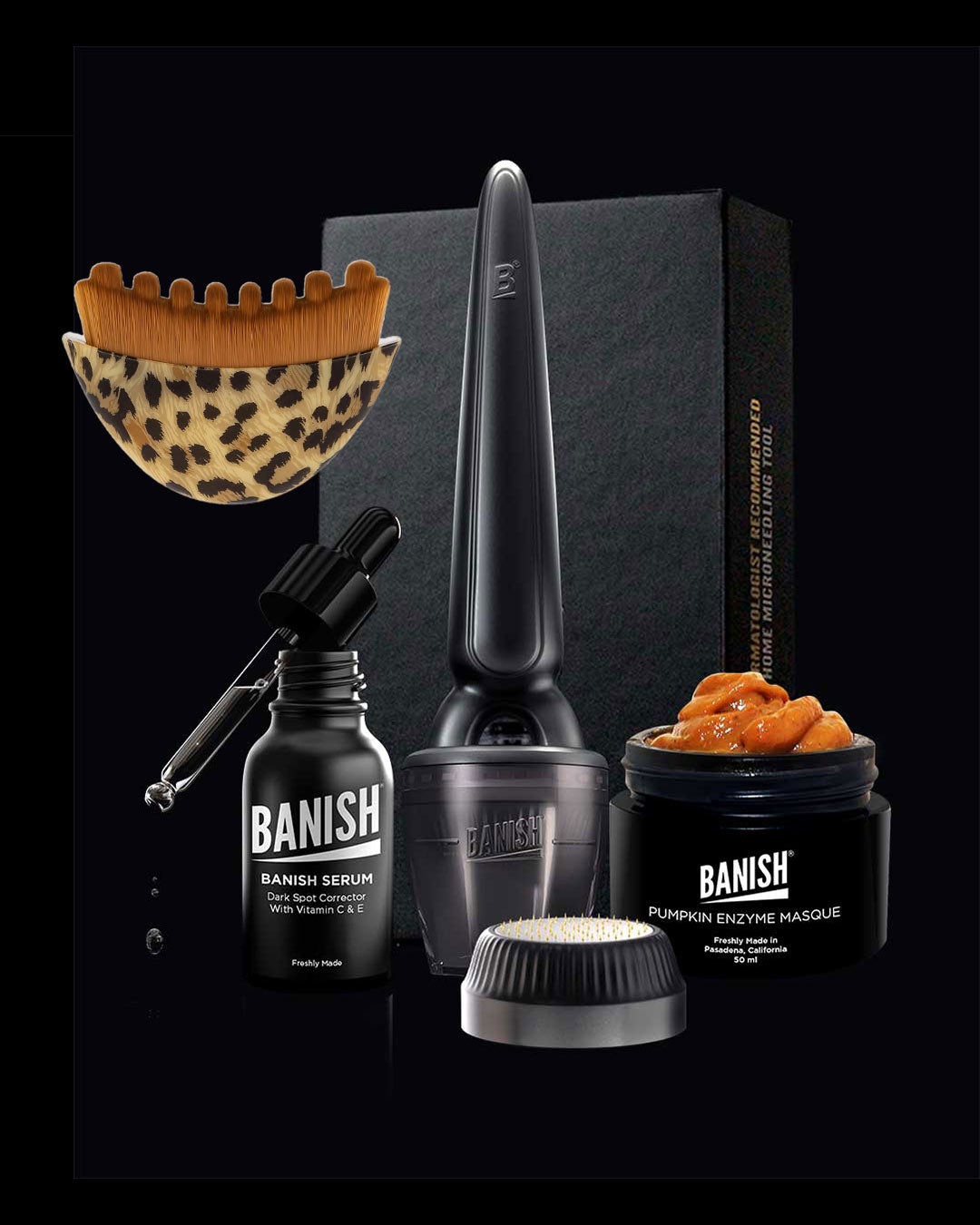
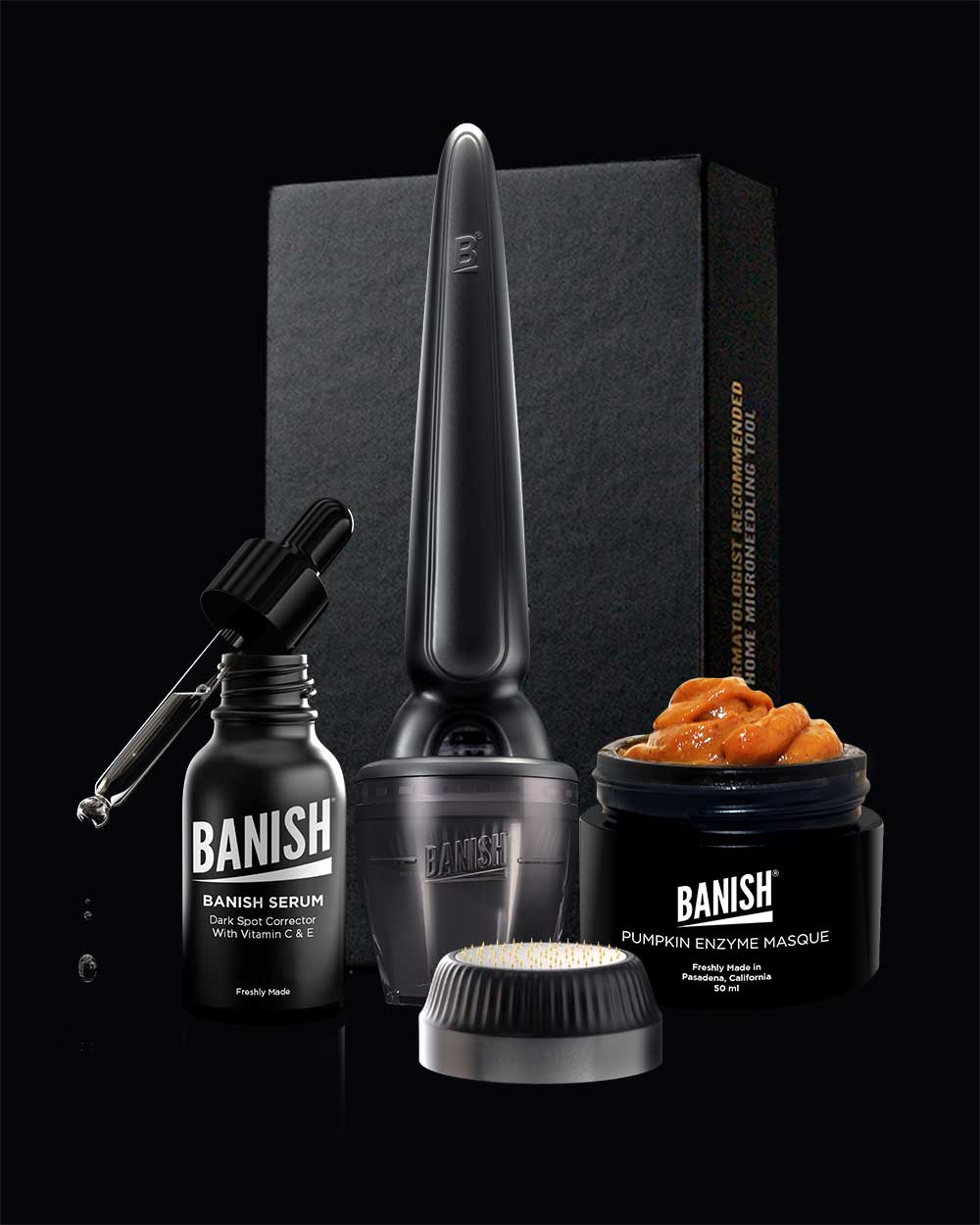
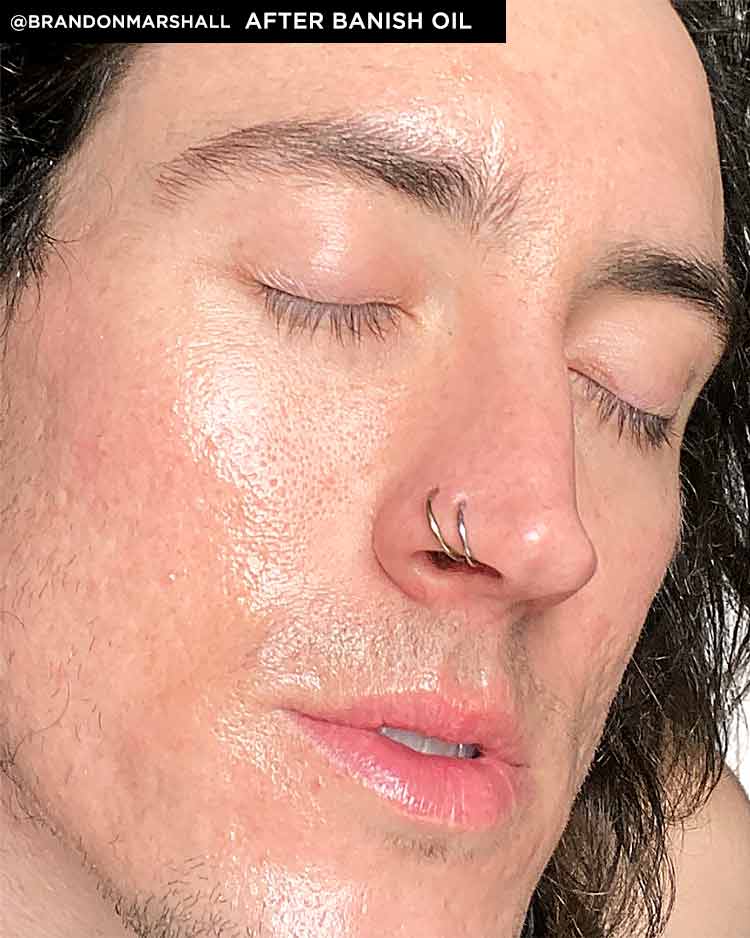
This is where doing targeted treatment with microneedling can make a big difference.. At Banish, our focus has been on what happens after acne: the scarring, texture differences, and discoloration that are often harder to address than the original breakouts. Tools like the Banish Kit are designed for these skin concerns by boosting collagen production and skin renewal in an easy to use way.
Frequently Asked Questions
Why does the same acne treatment work for some people but not others?
Because acne has multiple causes that differ between individuals. Factors like skin type, hormone levels, gut microbiome composition, diet, stress, and genetics all play a role. A treatment that addresses the primary driver in one person may do nothing for someone whose acne stems from a different underlying cause.
Is leaky gut a recognized medical diagnosis?
Increased intestinal permeability is recognized in research literature, but "leaky gut" is not a formal medical diagnosis. The concept describes a state where the intestinal lining becomes less effective as a barrier. Its direct role in causing skin conditions like acne is still being studied.
How long should I take oral antibiotics for acne?
Current dermatology guidelines recommend limiting oral antibiotic courses to the shortest effective duration, typically no longer than three to six months, and always combining them with a topical agent like benzoyl peroxide. Long-term antibiotic use increases the risk of antibiotic resistance. Discuss a clear treatment plan and exit strategy with your dermatologist.
Is Accutane safe?
Isotretinoin is highly effective for severe acne but comes with significant potential side effects, including serious risks during pregnancy, and requires close medical supervision throughout treatment. Patients in the US must enroll in the iPLEDGE program before being prescribed it. Whether it is the right choice depends on your specific situation and should be decided in consultation with a dermatologist.
How do I know if dairy is making my acne worse?
The easiest way to assess this is an elimination trial. Remove all cow's milk dairy from your diet for four to six weeks and observe whether your breakout pattern changes. Some people notice a clear difference; others do not. If you do not see improvement after six weeks of consistent elimination, dairy is likely not a primary cause of acne for your skin.
Does a low-glycemic diet actually improve acne?
Several studies have found that reducing high-glycemic foods is associated with improvements in acne lesion count and sebum production. The research is promising but not large enough to produce formal dietary guidelines. The mechanism makes sense: high glycemic foods raise IGF-1, which stimulates sebum production and contributes to comedone formation. Reducing processed carbohydrates and sugary foods is a low-risk change that is worth trying.
Can probiotics help with acne?
There is emerging research suggesting that oral probiotics may help modulate skin inflammation through the gut-skin axis, but the evidence is not yet definitive enough to recommend a specific probiotic strain or dose for acne. Taking a probiotic during and after an antibiotic course has stronger evidence for protecting gut health during treatment. Probiotic use is low risk and may be worth trying along with other interventions.
What should I do after acne clears up?
Once active breakouts are under control, focus on reducing post-inflammatory hyperpigmentation, skin texture, and any deeper acne scarring. Consistent sun protection is essential while treating acne and after to prevent pigmentation from darkening further. Things like microneedling, and brightening ingredients like licorice root and vitamin c can help brighten dark spots.
-------
References
- American Academy of Dermatology. Acne: Diagnosis and treatment.
- Salem I, Ramser A, Isham N, Ghannoum MA. The gut microbiome as a major regulator of the gut-skin axis. Frontiers in Microbiology. 2018;9:1459.
- Camilleri M. Leaky gut: mechanisms, measurement and clinical implications in humans. Gut. 2019;68(8):1516-1526.
- Blaser MJ. Antibiotic use and its consequences for the normal microbiome. Science. 2016;352(6285):544-545.
- Zaenglein AL, Pathy AL, Schlosser BJ, et al. Guidelines of care for the management of acne vulgaris. Journal of the American Academy of Dermatology. 2016;74(5):945-973.
- Kwon HH, Yoon JY, Hong JS, Jung JY, Park MS, Suh DH. Clinical and histological effect of a low glycaemic load diet in treatment of acne vulgaris in Korean patients: a randomized, controlled trial. Acta Dermato-Venereologica. 2012;92(3):241-246.
- Adebamowo CA, Spiegelman D, Danby FW, Frazier AL, Willett WC, Holmes MD. High school dietary dairy intake and teenage acne. Journal of the American Academy of Dermatology. 2005;52(2):207-214.













Leave a comment
All comments are moderated before being published.
This site is protected by hCaptcha and the hCaptcha Privacy Policy and Terms of Service apply.