
Microinfusion vs. Microneedling: Which is better for skin renewal?
For comprehensive, long-term skin renewal targeting concerns like acne scars and texture, microneedling is generally superior to microinfusion. While microinfusion is good for collagen stimulation and a temporary glow by delivering pre-mixed serums, microneedling (especially with tools like the Banisher 3.0 ) creates controlled micro-injuries that stimulate the skin's natural collagen production that are more sanitary and less wasteful. This results in long last lasting improvements, greater serum customization, and less reliance on disposable components.
Ever scroll through TikTok or Youtube and see all these new skincare gadgets? It feels like every other week there's a new "holy grail" promising beautiful skin. Two of the big skincare devices right now are microinfusion and microneedling. They sound similar, both involve tiny needles, but they're not exactly the same.
Let's dive into the latest research to help you pick the right tool for your needs!
What Exactly is Microinfusion?
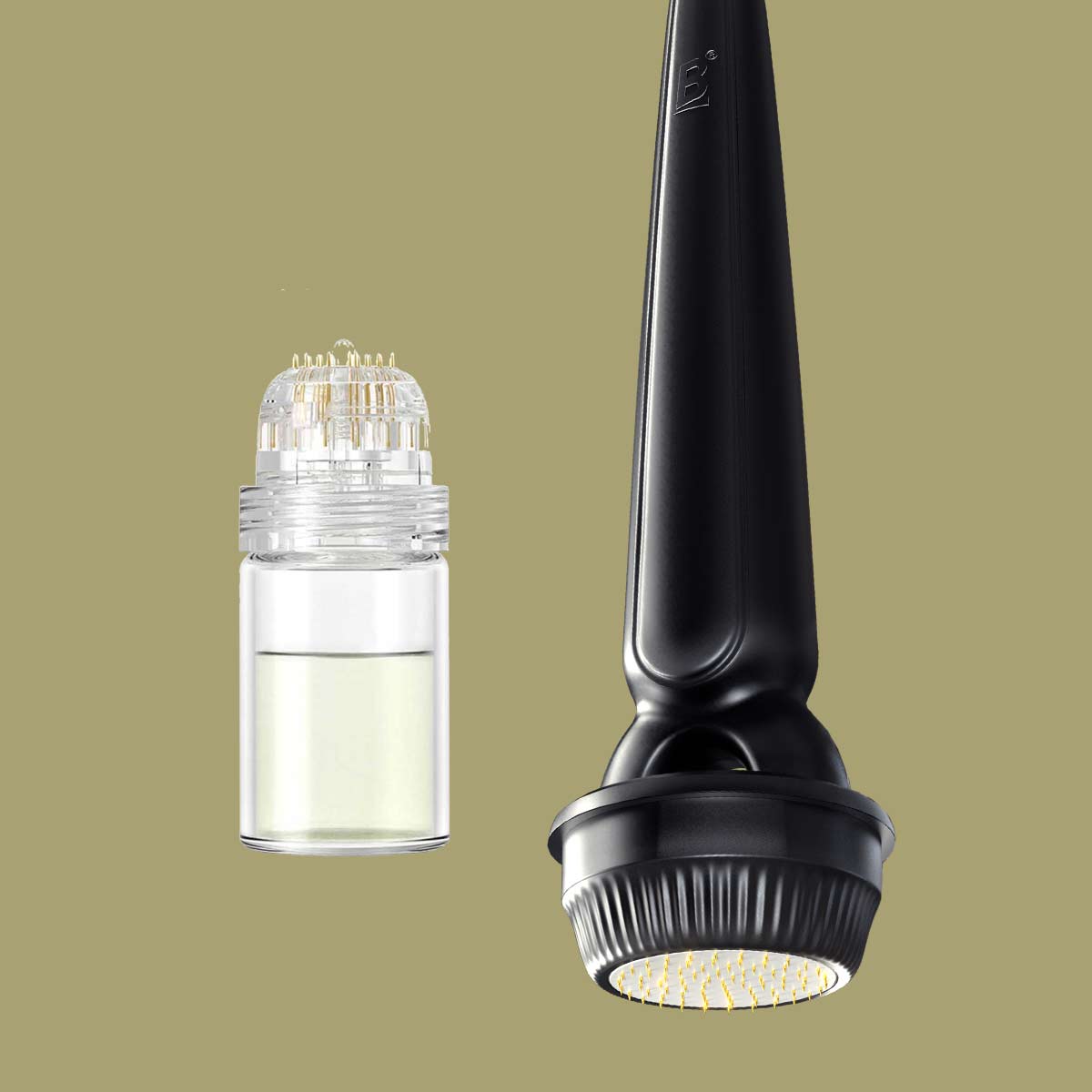
You've probably seen those tiny needle devices with a small vial on top. That's microinfusion! It uses ultra-fine, hollow needles (often made of gold-plated surgical steel or titanium) that are typically in the 0.5mm length. The trick with microinfusion is that they're designed to deliver a specific serum directly into the very superficial layers of your skin while making tiny micro channels.
The Pros of Microinfusion:
- Immediate Glow: Because the serum is delivered at the same time you're using the microinfusion device, you often see a plump, dewy look right in real time.
- Minimal Downtime: The needles are so fine, there’s usually very little redness or recovery needed.
- Relatively Simple to Use: It's often a simple stamp-and-go process, but users report that you have to constantly tilt your face and let gravity push the serum out.
The Cons of Microinfusion:
- Limited Serum Choice: You're usually stuck with the pre-filled serum in the device. This limits customization and means you can't use your favorite targeted treatments like pure L-Ascorbic Acid (Vitamin C) or exosomes etc.
- Higher Ongoing Cost: The devices often use disposable, pre-filled cartridges, making each session more expensive over time. This also contributes to more waste due to all the disposible parts which isn't ideal for sustainability.
- One Size Only: The needles are designed for superficial delivery, generally not deep enough to stimulate significant, long-term collagen production needed for true scar revision or wrinkle reduction. [1]
- Can contaiminate the serum: There is no backflow prevention mechanism seen in most microinfusion devices so the serum touching your face or the skin cells can potentially flow back and mix into the serum as you are stamping it around.
Microneedling: The Science of Long Term Renewal
Now, let's talk about microneedling. This technique uses solid needles to create controlled micro-injuries in the skin. The magic isn't just about what serum goes in, but what your skin does in response! Your body sees these tiny punctures as a signal to ramp up its natural healing process, producing more collagen and elastin. This is called collagen induction therapy and it's what remodels the collagen in your skin to fill in scars. [2]
With microneedling, you can apply the serum right after you microneedle which would also cause the serum to be absorbed deep into your skin.
The Pros of Microneedling (Why it's the 2026 Powerhouse):
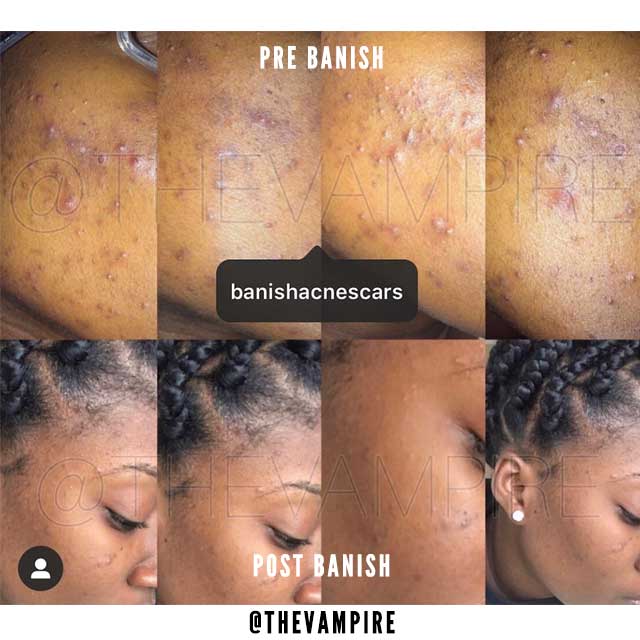
- Long-Term Results: By stimulating natural collagen and elastin, microneedling offers lasting improvements in the appearance of acne scars, fine lines, skin texture, and firmness.
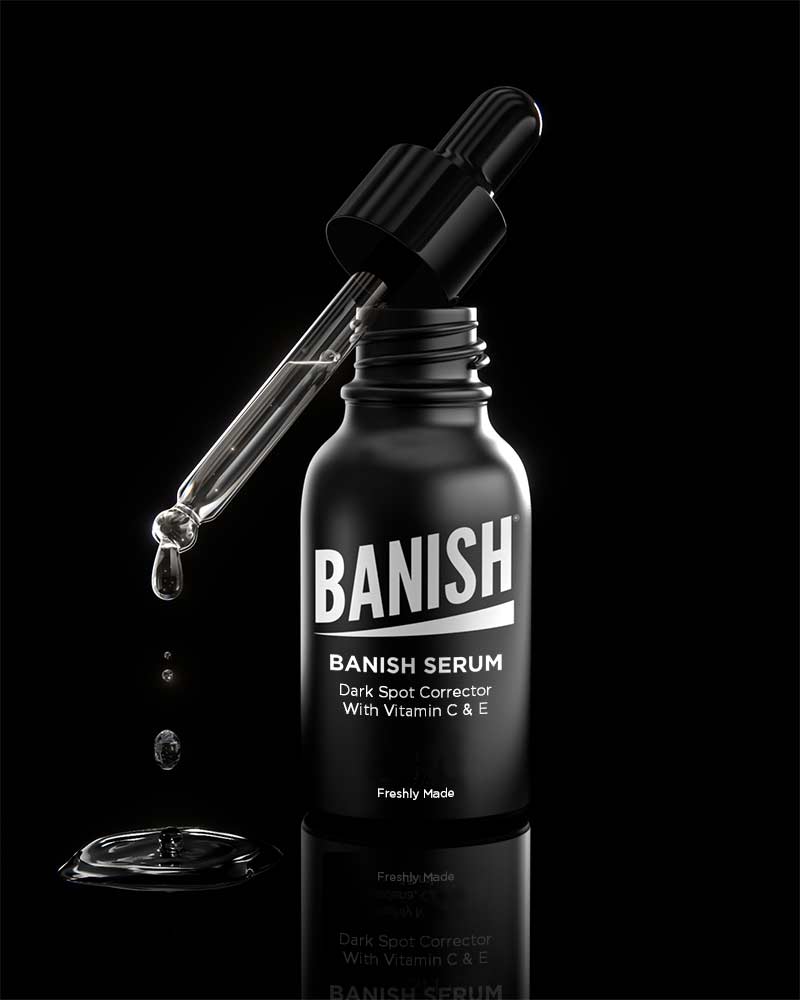
- Full Serum Customization: After microneedling, your skin's absorption is significantly boosted. This is your chance to apply serums like vitamin c for dark spots, hyaluronic acid for hydration, or growth factors for repair. You can choose a serum that you regularly use too so you know that it works well for your skin.
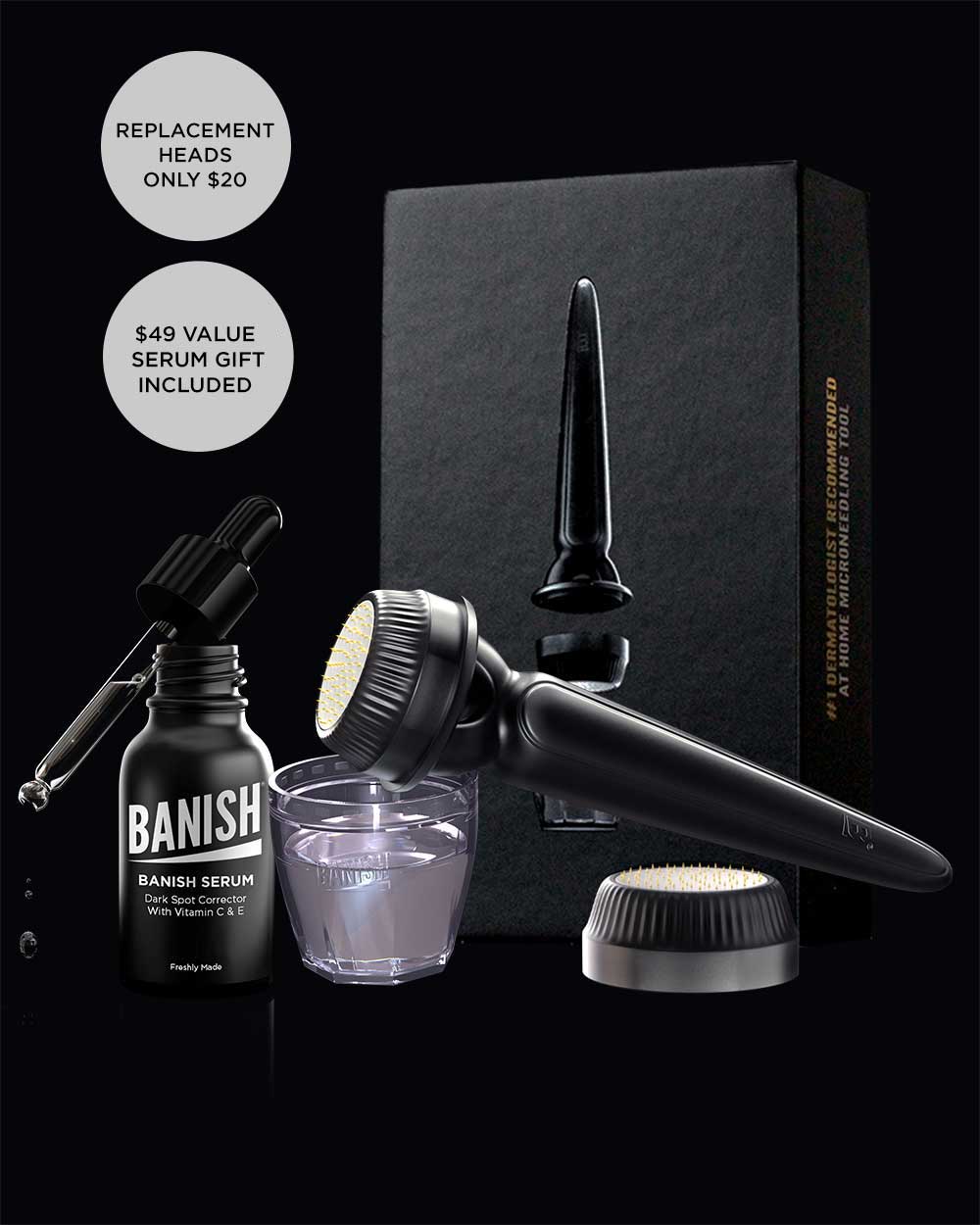
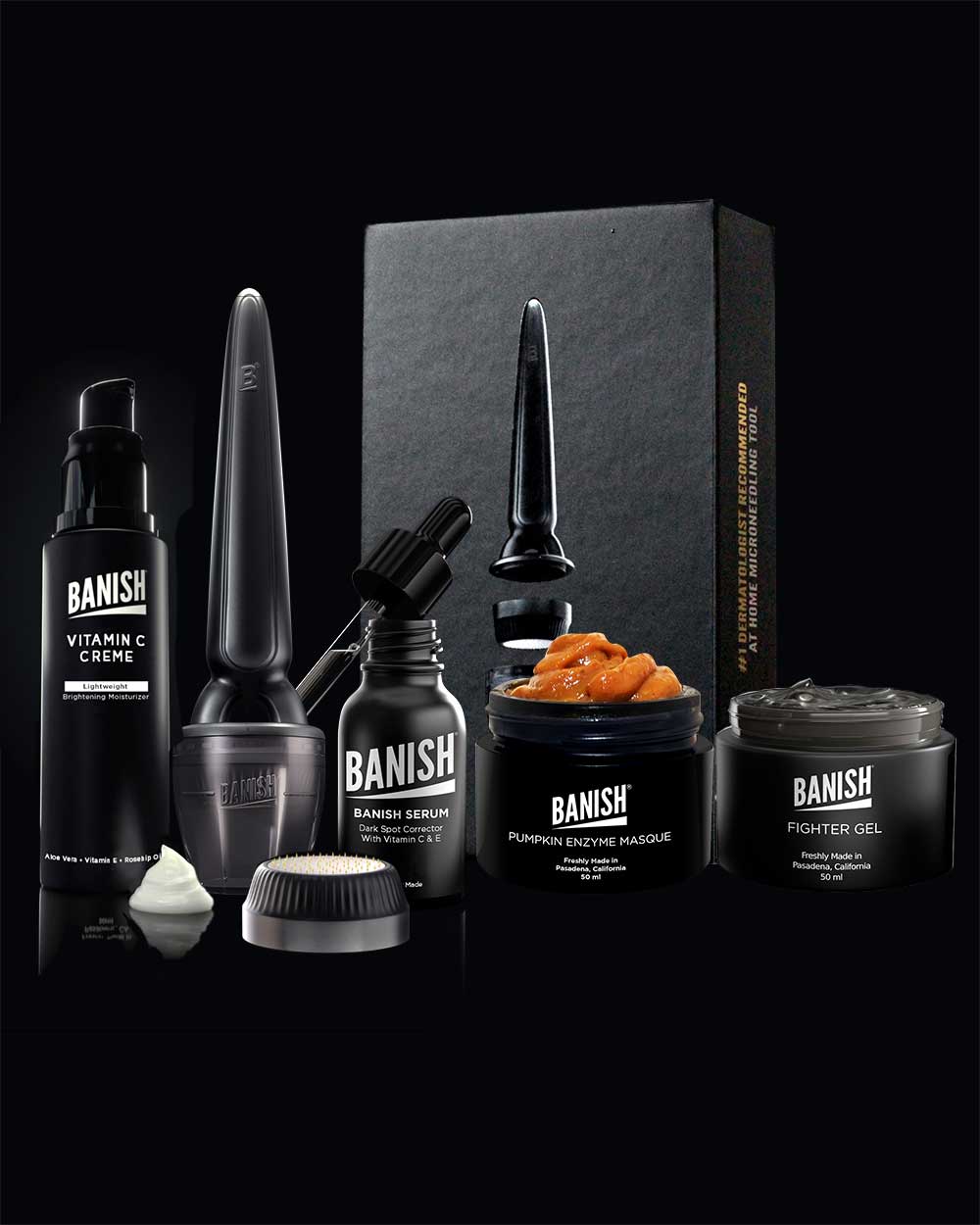
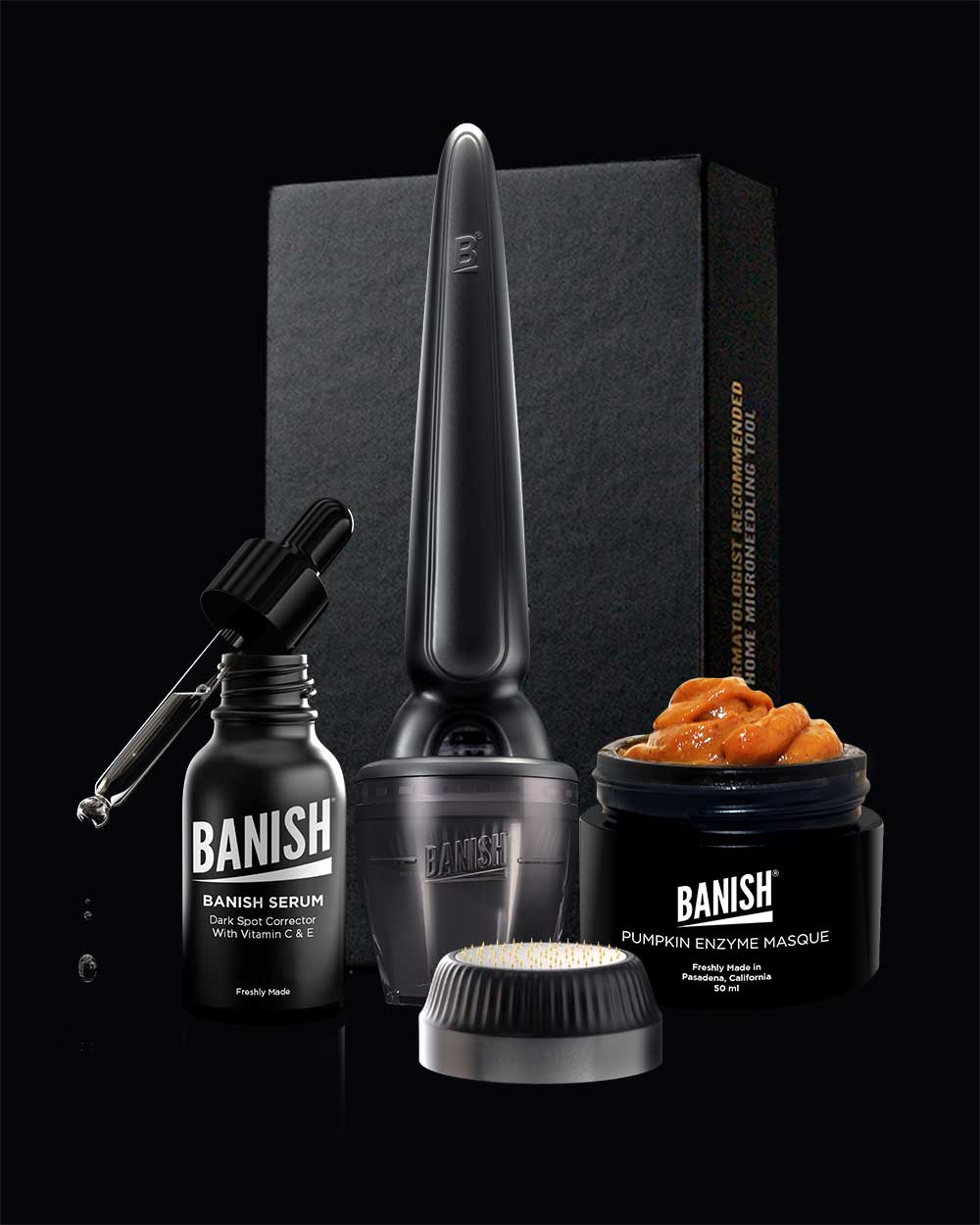
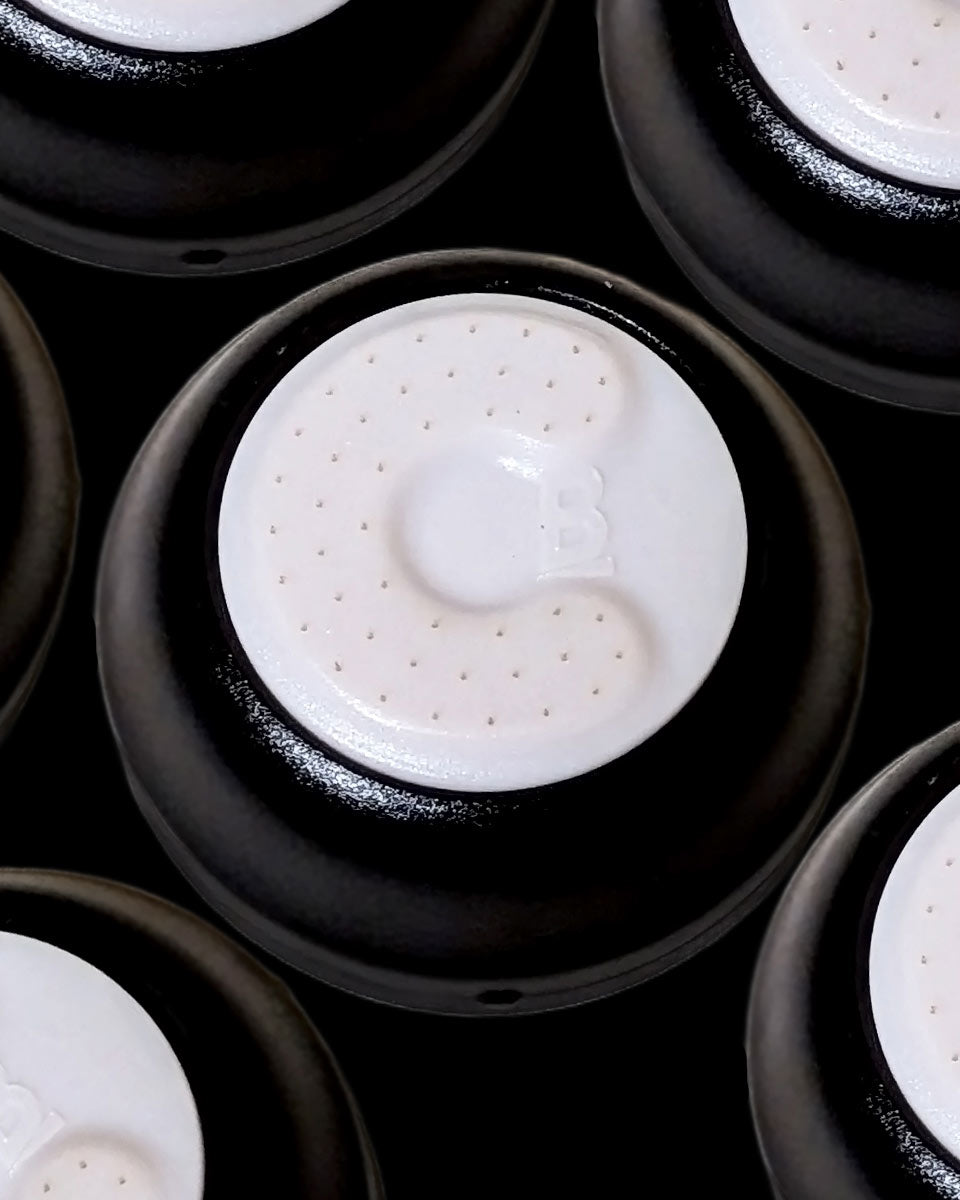
- Cost-Effective & Sustainable: Tools like the Banisher 3.0 feature reusable and replaceable heads. This means lower ongoing costs per session (under $3 per session) and less waste compared to single-use microinfusion devices.
- Different Needle Sizes For Different Areas: With various needle lengths (e.g., 0.5mm for scars, 0.25mm for absorption or eye area, 1.0mm for body ), you can precisely target specific concerns with controlled depth.
- More Research-Backed: Microneedling has a robust scientific foundation, with numerous studies demonstrating its efficacy for a wide range of skin concerns. [3]
The Cons of Microneedling:
- Slightly More Downtime: Depending on needle length or tool used you might have a day or two of mild redness, similar to a sunburn.
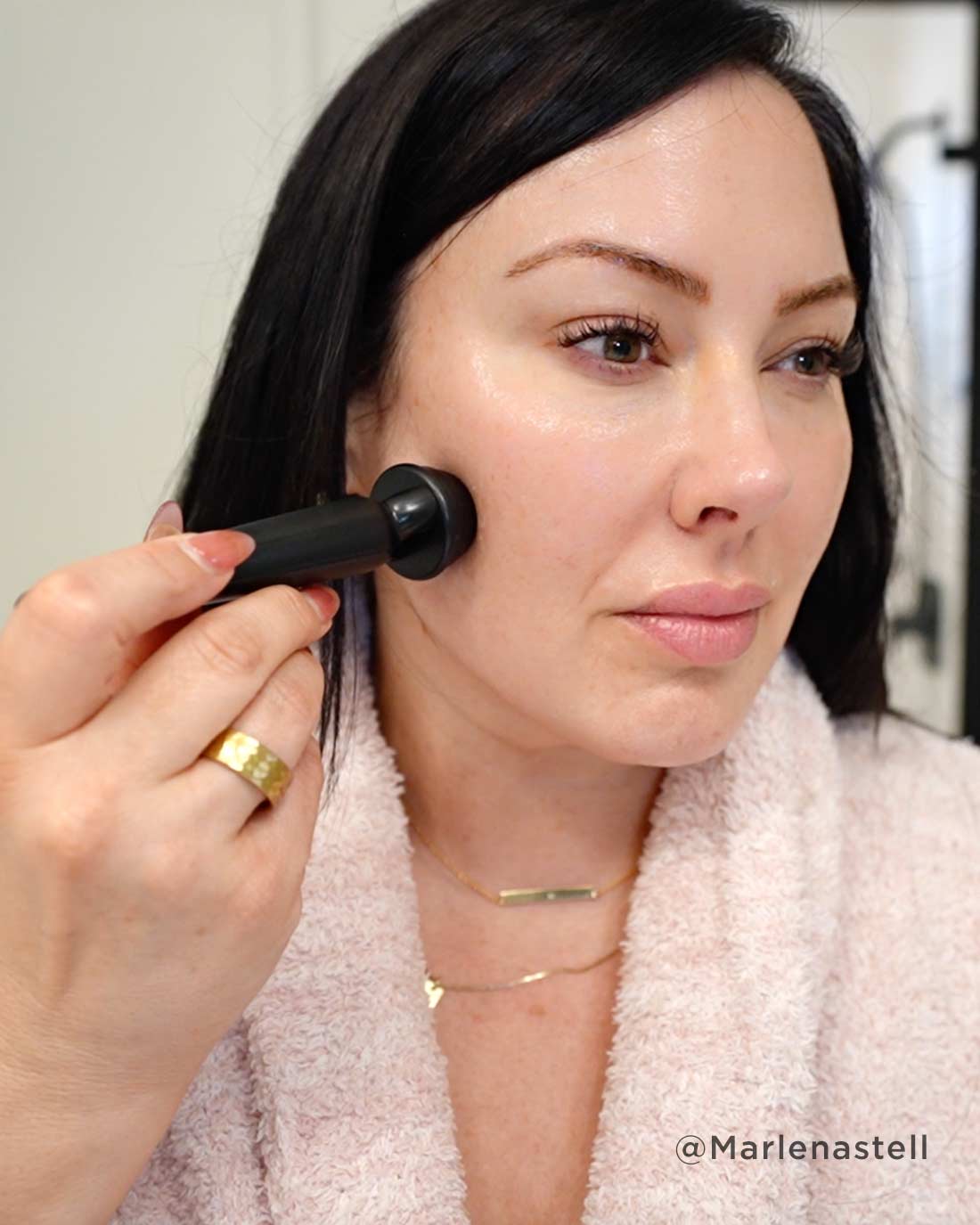
- Technique and Tool Matters: Proper technique (vertical manual stamping tool ) is crucial to avoid dragging or tearing which can lead to scars.
Microinfusion vs. Microneedling: Quick Comparison
| Feature | Microinfusion | Microneedling with Stamper |
|---|---|---|
| Primary Goal | Microneedling & serum delivery at same time | Long-term collagen induction & scar revision |
| Serum Use | Pre-filled, non-customizable | Full customization post-treatment |
| Cost Over Time | Higher (Disposable cartridges) | Lower (Reusable handles, replaceable heads) |
| Downtime | Minimal to none | Minimal depending on tool |
| Environmental Impact | More disposable parts/waste | Less waste |
Final Verdict: Choose Smart, Not Just Trendy
While microinfusion can give similar collagen boosting benefits, we believe that a tool that is easy to use and replace to use consistently is what will give the best improvements in skin texture, scar appearance, and overall firmness. Because of that, Microneedling is the clear winner for us.
Microneedling has been around for much longer and has more studies behind it to back it's results. With microneedling, having the freedom to choose your post treatment serum gives you a more custom routine and keeps things more sanitary since the serum and the needles never touch each other.
Overall it is less components to carry around and you get more uses from a microneedling kit versus a microinfusion kit which is typically one time use.
Investing in a quality microneedling tool means investing in your skin's natural ability to renew itself, giving you more control and better value over time.
References
- Collagen Induction Therapy: Aust, M. C., Fernandes, D., Kolokythas, P., Kaplan, H., & Vogt, P. M. (2008). Percutaneous collagen induction therapy: an alternative treatment for scars, wrinkles, and skin laxity. Plastic and Reconstructive Surgery, 122(6), 1863-1873.
- Microneedling Efficacy: Singh, A., & Yadav, S. (2016). Microneedling: Advances and widening horizons. Indian Dermatology Online Journal, 7(4), 244–254.








Leave a comment
All comments are moderated before being published.
This site is protected by hCaptcha and the hCaptcha Privacy Policy and Terms of Service apply.