

By Daisy Jing
Summary: Sagging jowls after rapid weight loss happen because facial fat shrinks faster than the skin can adapt, especially when collagen and elastin levels are already reduced. Non-surgical options that help rebuild skin firmness include microneedling, which stimulates collagen production in the dermis over time, radiofrequency treatments, ultrasound-based devices, and dermal fillers when volume loss is the primary cause. Results from all of these approaches are gradual and build with consistency; which option makes most sense depends on the degree of laxity and your goals.
Losing weight quickly can be great for your health, but many people notice unexpected changes in their face afterward. One of the most common concerns is sagging jowls or loose skin along the jawline. This often comes up after rapid weight loss, including weight loss from medications like Ozempic. If you are dealing with this, you are not alone. This article explains why jowls happen after weight loss, what actually helps, and how treatments like microneedling can contribute to firmer skin over time.
Why Sagging Jowls Happen After Rapid Weight Loss
When weight comes off quickly, the fat under the skin shrinks faster than the skin can adapt. The face is especially affected because facial structure depends on both fat and collagen for support. As fat volume decreases, the skin can appear loose or saggy if collagen and elastin levels are already lower.
Rapid weight loss can also speed up the signs of aging in the face. This effect is sometimes referred to as “Ozempic face,” where the reduction in facial fullness makes jowls and wrinkles more noticeable. Once weight loss stabilizes, the skin doesn't always bounce back on it's own. [1] [2] [3].
Non-Surgical Treatments That Help Tighten Sagging Jowls
There are several non-surgical ways to improve the appearance of sagging jowls. The most suitable option depends on the degree of how loose the skin is and what treatment you're most comfortable with.
Radiofrequency (RF) utilizes controlled heat to stimulate collagen and elastin production in the deeper layers of the skin. Over time, this process can increase skin firmness with minimal downtime.
Microneedling: Uses tiny microneedles that press onto the skin that stimulates collagen and elastin to increase skin firmness.
RF microneedling combines traditional microneedling with radiofrequency energy. This advanced technique targets deeper skin layers, . Devices such as Morpheus8 are frequently employed post-weight loss to address skin laxity.
- Warning: before doing RF microneedling, there is the risk of fat loss in the face which can cause sagging to look even worse. This can happen with the wrong settings, or going too aggressive so I'd recommend being very cautious with this option.
Ultrasound-based treatments, like Ultherapy, use focused energy to stimulate collagen synthesis in the deeper dermal layers. These treatments can gradually tighten the lower face and jawline. Again, make sure your provider has a lot of experience treating jowls in the face as having the setting too deep can cause fat loss leading to sagging.
Injectables, including dermal fillers or collagen-stimulating products, can be beneficial when volume loss is the main cause of jowling. While these treatments do not directly tighten the skin, they can improve jawline and structural suppor.
For more severe sagging, surgical interventions such as a lower face or neck lift offer the most dramatic results, but these are usually considered after non surgical options.
Can Microneedling Help Tighten Sagging Jowls?
Microneedling works by creating tiny controlled injuries in the skin. These micro injuries trigger the skin's natural healing reponse, which leads to new collagen and elastin production. [5] [6]. Over time, this process can significantly improve skin firmness and thickness.
Microneedling is well-established for treating acne scars and fine lines, but research also demonstrates it improves skin elasticity and texture [7]. For mild to moderate jowls, microneedling can help strengthen the skin’s underlying structure, making sagging less noticeable. It does not provide an instant lift but supports gradual tightening when performed consistently.
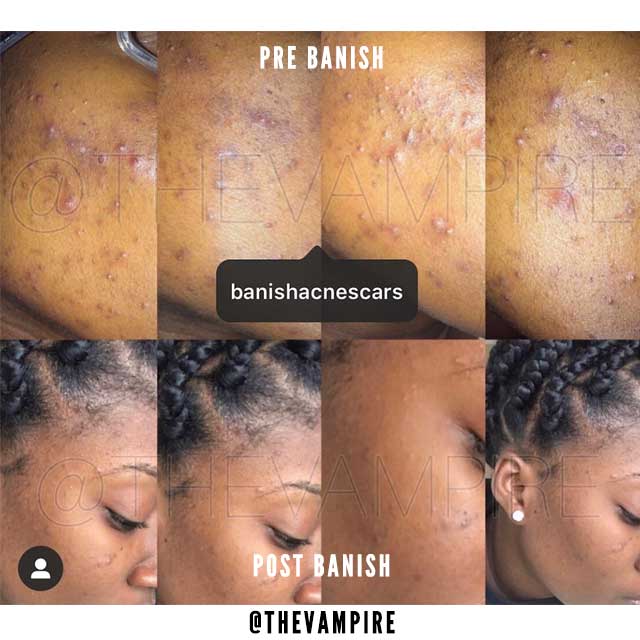
Standard microneedling works well especially as a long-term maintenance treatment and is one of the most effective treatments for microneedling that is relatively low cost that can be done at home with the right device. [8]
Microneedling also eliminates the risk of fat loss that can be caused by heat based treatments like radiofrequency.
Best Needle Depths for Microneedling Jowls
Needle depth matters when treating skin laxity:
- A depth of 0.25 mm is mainly used to enhance product absorption and may offer mild skin firming support.
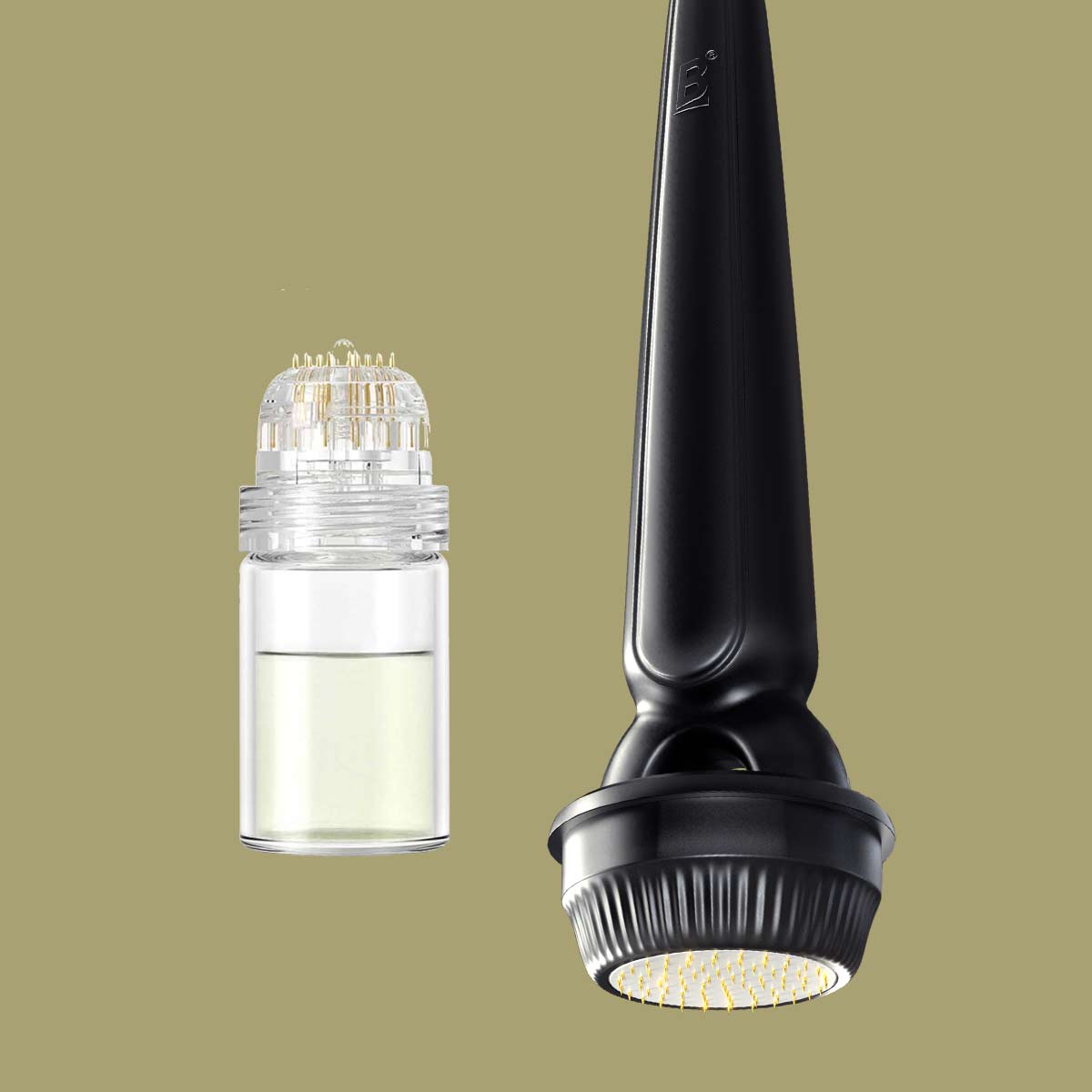
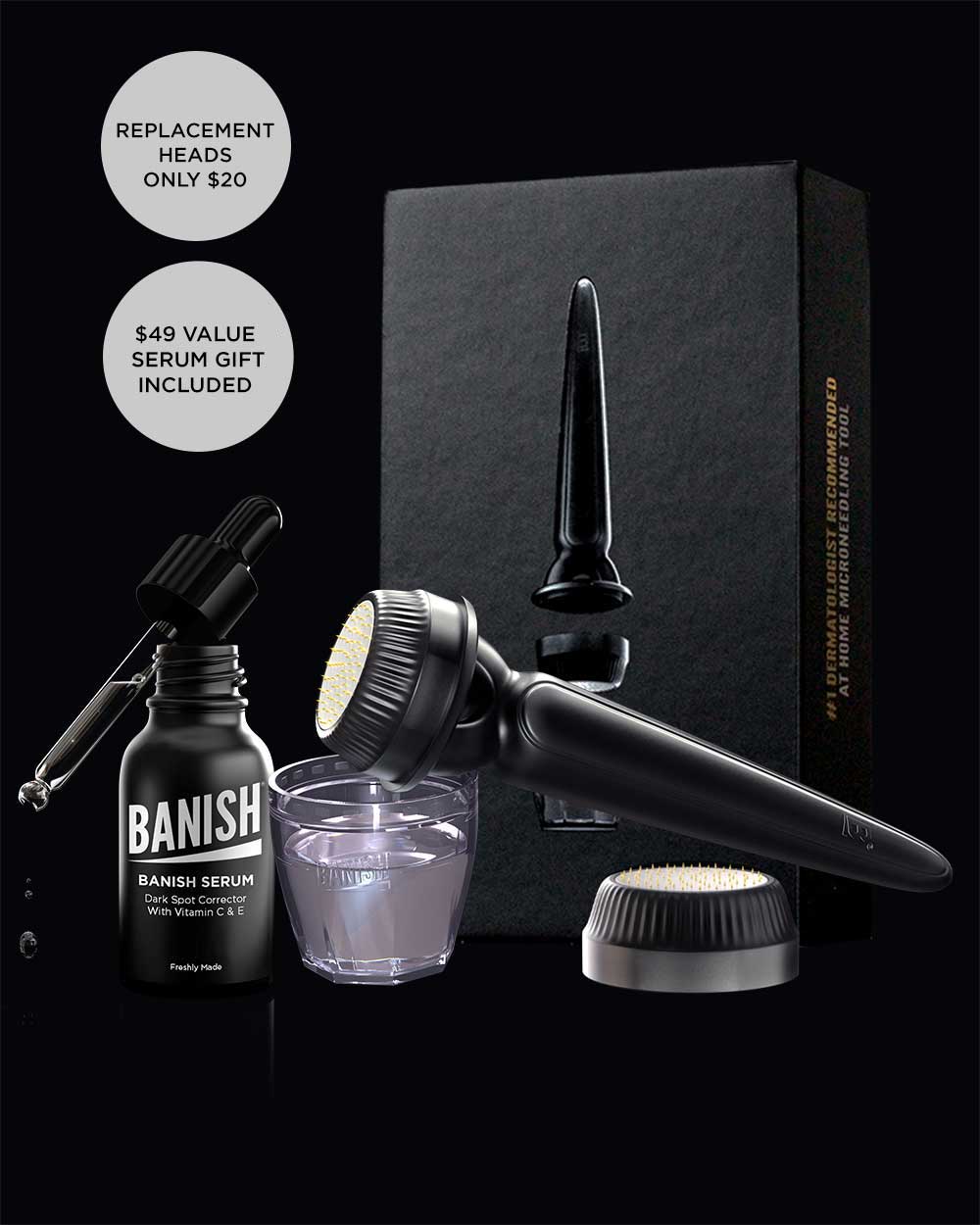
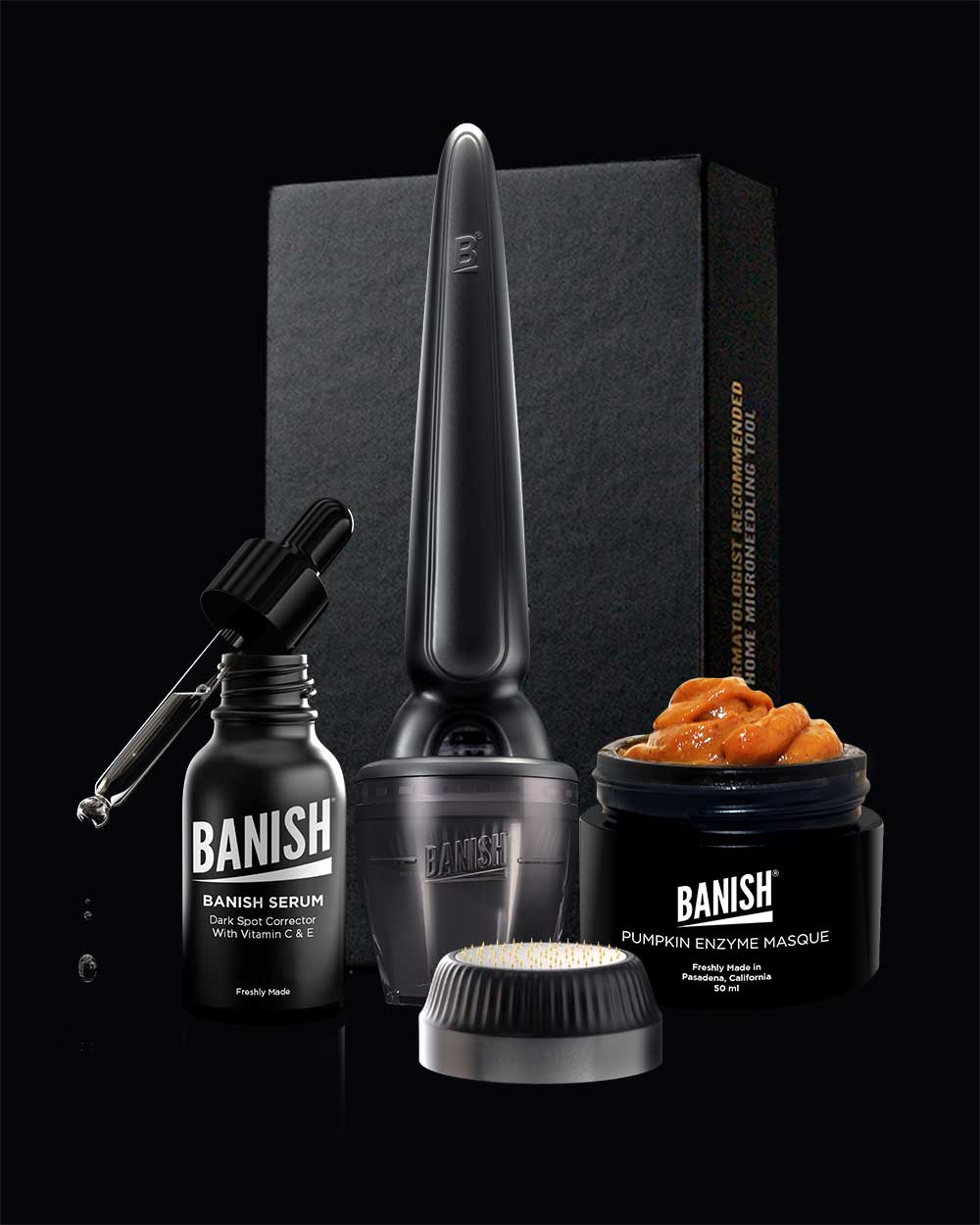
- A depth of 0.5 mm is commonly recommended for at-home microneedling, such as with the Banish Kit 3.0. It stimulates collagen in the dermis without causing excessive trauma when used properly.
- Deeper needle depths and RF microneedling should always be performed by qualified professionals. These treatments target deeper skin layers and are better suited for more moderate to severe sagging.
At-Home vs. Professional Microneedling
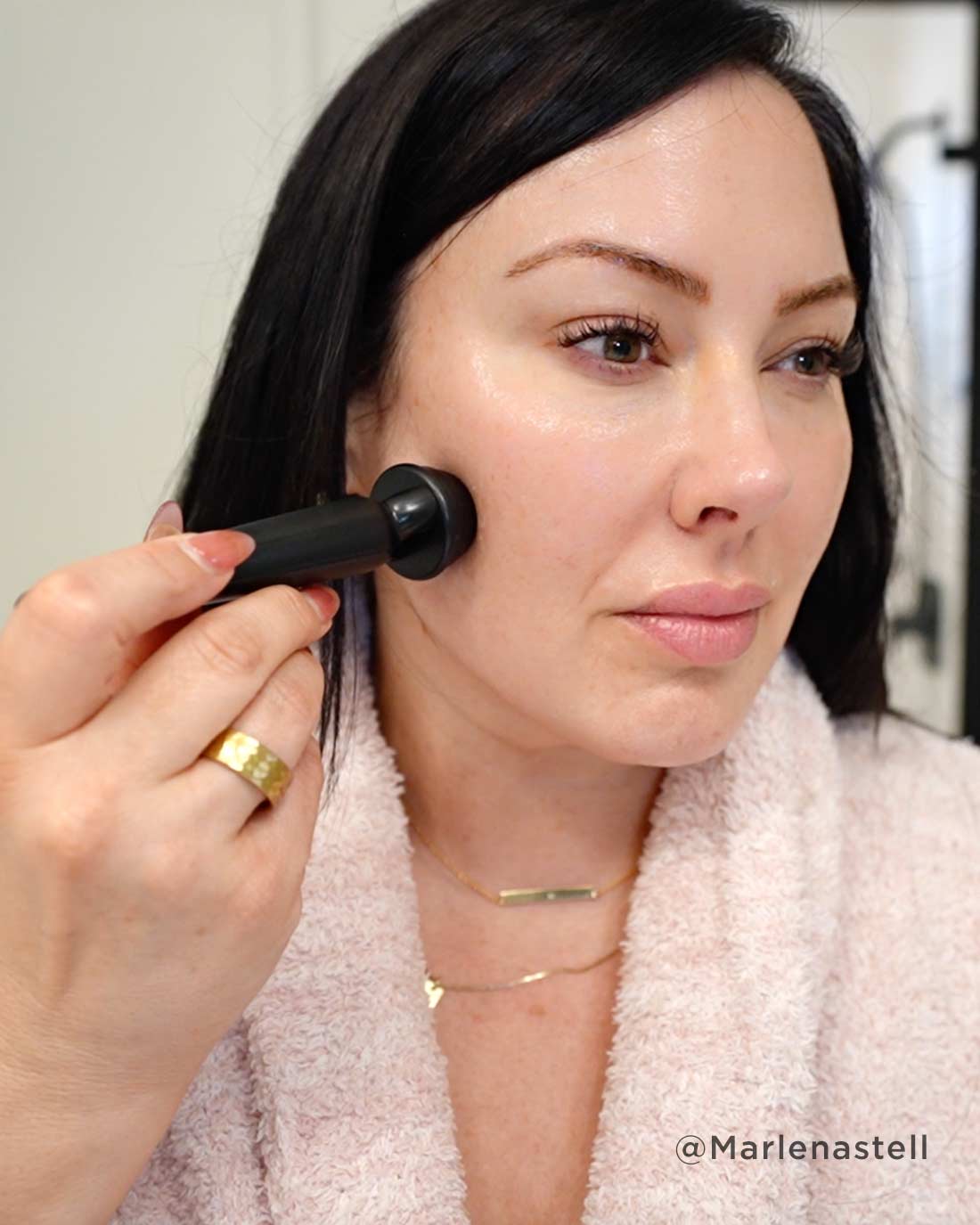
At-home microneedling can help maintain skin firmness, improve texture, and support collagen production over time. Results may take longer and depend more on consistency. Since you can do it at home and it's more affordable it is easier to be consistent for most people.
Professional microneedling and RF microneedling deliver more significant results due to their ability to reach deeper skin layers and the medical supervision involved. These treatments may be more effective for more noticeable jowls after rapid weight loss, but can be very costly to do regularly with sessions costing $400 or more.
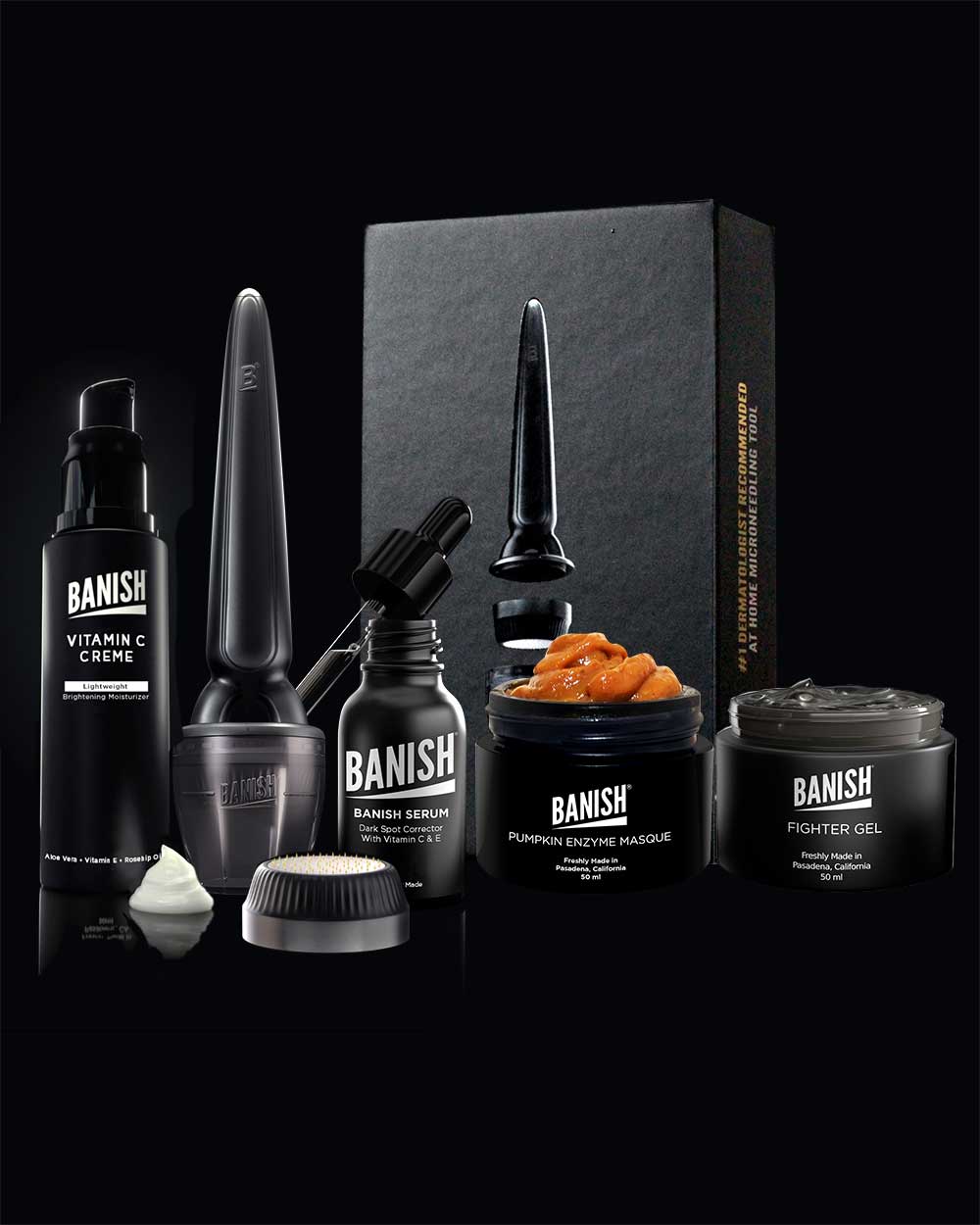
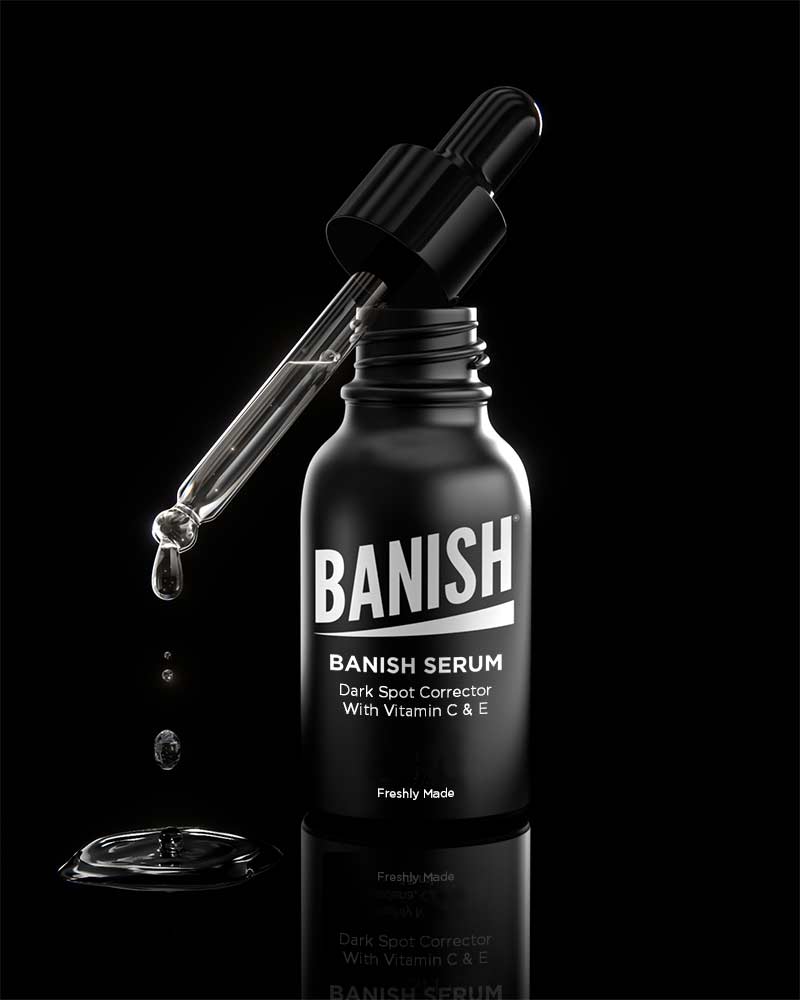
Many people combine professional treatments with at-home maintenance and microneedling, utilizing products like Banish Serum or Vitamin C Creme, to support long-term skin health and to make their results last longer.
Other Ways to Support Skin Tightening
Daily sunscreen application is essential, as UV damage breaks down collagen and worsens sagging.
A diet rich in protein and vitamin C supports collagen production. Staying hydrated also also helps skin elasticity.
Skincare ingredients such as retinoids, peptides, antioxidants, and hyaluronic acid can support skin structure.
Comparison Chart Of Jowl Treatments
| Treatment | How It Works | Pros for Jowls | Cons |
|---|---|---|---|
| Microneedling (Dermastamp) | Creates controlled micro-injuries to stimulate collagen and elastin | •Targets collagen loss directly •Easy to focus on curved areas, like the jawline and under the chin •Low downtime Safe for all skin tones •Can be done consistently at home |
•Results are gradual •Best for mild to moderate jowls •Requires consistency |
| Microneedling (Dermaroller) | Rolls needles across the skin to trigger collagen production | Covers large areas quickly |
•Harder to contour around jowls and jawline •Risk of skin dragging and tearing |
| Radiofrequency Skin Tightening | Uses heat to stimulate collagen deep in the skin | •Non surgical •Helpful for mild skin laxity |
Requires multiple sessions Results vary Less targeted for specific areas like jowls |
| Ultrasound Skin Tightening | Uses focused ultrasound energy to tighten deeper skin layers | •Targets deeper tissue •Can improve jawline firmness |
•Expensive •Results take months •Not ideal for subtle or early jowls |
| Dermal Fillers | Adds volume to support sagging skin | Immediate improvement Can enhance jawline shape |
•Temporary •Does not tighten skin •Risk of migration or imbalance |
| Surgical Facelift | Removes excess skin and tightens deeper tissues | Dramatic and long lasting results | •Surgery and downtime •High cost •Not necessary for early jowls |
Final Thoughts
Sagging jowls after rapid weight loss are a common and understandable. They happen because the skin loses both volume and collagen support . While no non-surgical treatment can fully replace surgery, options like microneedling, RF treatments, ultrasound treatments, and the right skincare routine can improve skin firmness and slow further sagging.
Microneedling fits into a long-term plan for maintaining jawline firmness, especially when used consistently and complemented by sun protection and supportive skincare.
If you are dealing with jowls after weight loss, there are realistic and evidence-based approaches to help your skin appear firmer and healthier over time.
References
- Cleveland Clinic. Ozempic face and facial volume loss. https://health.clevelandclinic.org/ozempic-face
- Catalfamo L, et al. (2025). “Ozempic Face”: An Emerging Drug-Related Aesthetic Concern. MDPI.
- Mansour MR, et al. (2024). The rise of “Ozempic Face”: Analyzing trends and treatment challenges. Journal of Plastic, Reconstructive & Aesthetic Surgery.
- Shauly O, et al. (2023). Radiofrequency Microneedling: Technology, Devices, and Indications. PMC11181949.
- Singh A, Yadav S. (2016). Microneedling: Advances and widening horizons. Indian Dermatology Online Journal. PMC4976400.
- Jaiswal S. (2024). Microneedling in Dermatology: A Comprehensive Review. PMC11499218.
- Ramaut L, et al. (2018). Microneedling: Where do we stand now? A systematic review. Journal of Plastic, Reconstructive & Aesthetic Surgery.
- Alqam M, et al. (2022). Efficacy and Tolerability of a Microneedling Device for Treating Wrinkles. Aesthetic Surgery Journal.











Leave a comment
All comments are moderated before being published.
This site is protected by hCaptcha and the hCaptcha Privacy Policy and Terms of Service apply.