
By VeganAcneSufferers
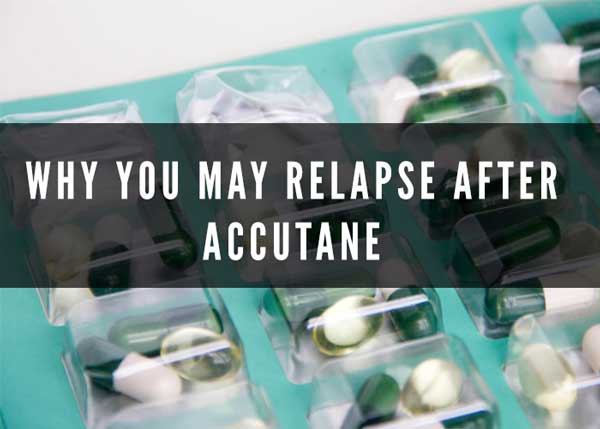
Acne can return after Accutane. Research published in JAMA Dermatology found that about 22.5% of patients experience a relapse, and 8.2% need a second course of treatment.1 The most important factor in preventing relapse is reaching a cumulative dose of 120 to 150 mg per kilogram of body weight during treatment.
Other key Accutane relapse factors include younger age, female sex, hormonal conditions like PCOS, truncal acne, and stopping treatment before the skin stays completely clear for at least two months.
Key Takeaways
- About 22.5% of people who take isotretinoin experience post-Accutane acne recurrence.
- The single most important factor in preventing relapse is reaching a total cumulative dose of at least 120 mg/kg.
- Younger patients and women with underlying hormonal conditions are at higher risk.
- Taking Accutane without a high-fat meal can reduce absorption by up to 70%.
- Continuing treatment for two months after skin clears completely lowers the risk of recurrence.
- A second course of Accutane is often successful if acne returns.
What Is an Accutane Relapse?
Isotretinoin, sold under the brand name Accutane, is an oral retinoid. It works by shrinking sebaceous glands (the oil-producing glands in your skin), which reduces oil production and prevents pores from clogging. Most people take it for four to six months and see their skin clear up and acne-free.
A relapse means acne returns after completing a full course of isotretinoin. This can range from mild comedones to a return of deep, inflammatory cysts. The return of even mild acne can feel discouraging, especially after going through a demanding treatment process that can take months. But it does not mean the course failed. In many cases, returning acne is less severe than it was before treatment.
Will Accutane Work Permanently?
For many people, isotretinoin provides years of remission. For others, acne returns, often in a milder form. Isotretinoin is widely considered the most effective long-term treatment available for severe or treatment-resistant acne, but it is not a guaranteed permanent cure for everyone.
Long-term Accutane effects on the skin vary from person to person. The outcome depends on several biological and treatment-related factors. Understanding these factors can help you and your dermatologist make better decisions during and after treatment.
8 Reasons You May Relapse After Accutane
1. Your Acne Was Mild to Moderate
Isotretinoin is now frequently prescribed for moderate acne, not just severe or cystic cases. When someone with milder acne finishes a course, a few returning spots may feel like a relapse, even if the overall outcome was good. People who had very severe acne before treatment often have a higher bar for what they consider a relapse, because any level of improvement feels significant.
This shift in who gets prescribed isotretinoin has changed how relapse statistics are reported. The expectations of someone who started with occasional breakouts versus someone who had nodular, scarring acne are very different, and that gap shows up in the wide range of relapse rates reported across studies.
2. You Were Young When You Started Treatment
Younger patients have a higher risk of post-Accutane acne recurrence. During the teenage years and early twenties, hormones are still shifting and oil gland activity can remain elevated for years. While treating acne early has many benefits, including preventing permanent acne scars, it also means the underlying hormonal drivers may still be active after treatment ends.
This does not mean isotretinoin is the wrong choice at a young age. A second course later in life is often successful and may carry a lower risk of further relapse because hormonal activity has had more time to stabilize.
3. You Were Not Absorbing the Medication Well
Standard isotretinoin is lipophilic, which means your body needs dietary fat to absorb it properly. Taking it on an empty stomach or with a low-fat meal can reduce absorption by as much as 70%. The amount of medication actually reaching your bloodstream and your sebaceous glands can be far lower than intended.
The result is that your real cumulative dose ends up much lower than what was prescribed. Research found that patients who took their dose before meals had higher relapse rates compared to those who took it with food.2 The same study found that 70.3% of patients were never informed about the risk of relapse by their healthcare providers, which points to a real gap in how this treatment is explained.
The classic side effect of chapped, dry lips is one of the clearest signs that isotretinoin is being absorbed well.
If you are not experiencing noticeable dryness during treatment, it is worth discussing with your dermatologist whether the medication is being taken with enough dietary fat.
Healthy fat sources like avocados, nuts, or olive oil are easy options to add to meals.
4. You Did Not Reach the Target Cumulative Dose
This is the most well-established predictor of relapse. The goal is not just the daily dose but the total amount of isotretinoin taken over the entire course, calculated as mg per kg of body weight. Most guidelines target 120 to 150 mg/kg total.1
Patients who stop early, skip doses, or have absorption issues can end up below this threshold even after completing the standard number of months.
Current clinical guidance also suggests extending treatment for two months after skin becomes completely clear, to address any remaining sub-clinical micro-comedones that have not yet surfaced.
5. You Are Male With Truncal Acne
Males, particularly those with extensive acne on the back and chest, tend to relapse at higher rates than females with facial acne.
Truncal acne often requires higher cumulative doses to achieve lasting remission. The sebaceous glands on the back and chest can respond differently than those on the face, and the total skin surface area affected is much larger.
A retrospective study of 405 patients found that roughly 23% of those who completed a full course still required further treatment, with 80.9% of relapses occurring within the first two years.3 Men with body acne were among the more likely to fall into this group.
This does not mean isotretinoin will not work. It often does. But a higher or longer course may be needed to prevent recurrence.
6. You Have an Underlying Hormonal Condition
For women, hormonally-driven acne is one of the most common reasons for relapse. Conditions like polycystic ovary syndrome (PCOS) cause elevated androgen levels, which stimulate oil production in the sebaceous glands. Isotretinoin can clear the skin during treatment, but if the underlying hormonal issue is not addressed, acne tends to come back once the drug is out of your system.
Research has consistently linked female sex with higher rates of post-Accutane acne recurrence, and elevated androgen levels without concurrent treatment appear to increase that risk further.1
If you suspect hormones are driving your acne, talking to your doctor about options like spironolactone or hormone-regulating birth control during or after your Accutane course can make a meaningful difference in long-term results.
7. Your Body Metabolizes the Drug Quickly
Individual differences in how the body processes isotretinoin can affect how much of the drug does its job. Some people clear it from their system faster than others, which means they may not reach the same effective drug exposure even at the same prescribed dose.
If you went through a full course without the typical signs of absorption, like dry lips, dry eyes, or mild skin sensitivity, it is worth mentioning to your doctor.
It does not necessarily mean the medication is not working, but it may mean adjustments to dose or duration are worth discussing to ensure you reach the target cumulative amount.
8. Acne Is a Chronic Condition for Some People
Isotretinoin works by dramatically reducing oil gland size and output, but it does not change your genetic makeup or permanently reprogram your hormones. For some people, acne is a long-term condition that requires ongoing management, even after a successful course of isotretinoin.
That said, each course of isotretinoin tends to result in longer remission periods. A second course often works even better than the first, and in many cases, acne returns in a much milder form.
This is not a failure of the drug. It is a reflection of how complex skin health can be for some people over time.
What to Do If Acne Returns After Accutane
If you experience mild recurrence, topical retinoids are often enough to keep things under control. Retinol, tretinoin, and adapalene are all gentler options than oral isotretinoin and can be used long term to maintain remission and prevent clogged pores from forming.
For women whose acne appears to be linked to their cycle or hormonal patterns, a conversation with a dermatologist or gynecologist about anti-androgen options is worth having. Addressing the root hormonal cause is often more effective than repeated courses of isotretinoin alone.
If acne comes back in a more significant way, a second course of isotretinoin is a reasonable option. Your dermatologist may adjust the cumulative dose target or pay closer attention to fat intake and dosing timing this time around.
Treating Acne Scars After Accutane
Once your active acne is more under control, attention often turns to the marks and texture changes left behind. Isotretinoin treats active acne but does not heal existing scarring. In fact, some acne scars may become more visible once the redness and swelling from active breakouts subside.
It is generally recommended to wait three to six months after finishing isotretinoin before starting any scar treatments. This gives your skin time to recover its normal healing ability
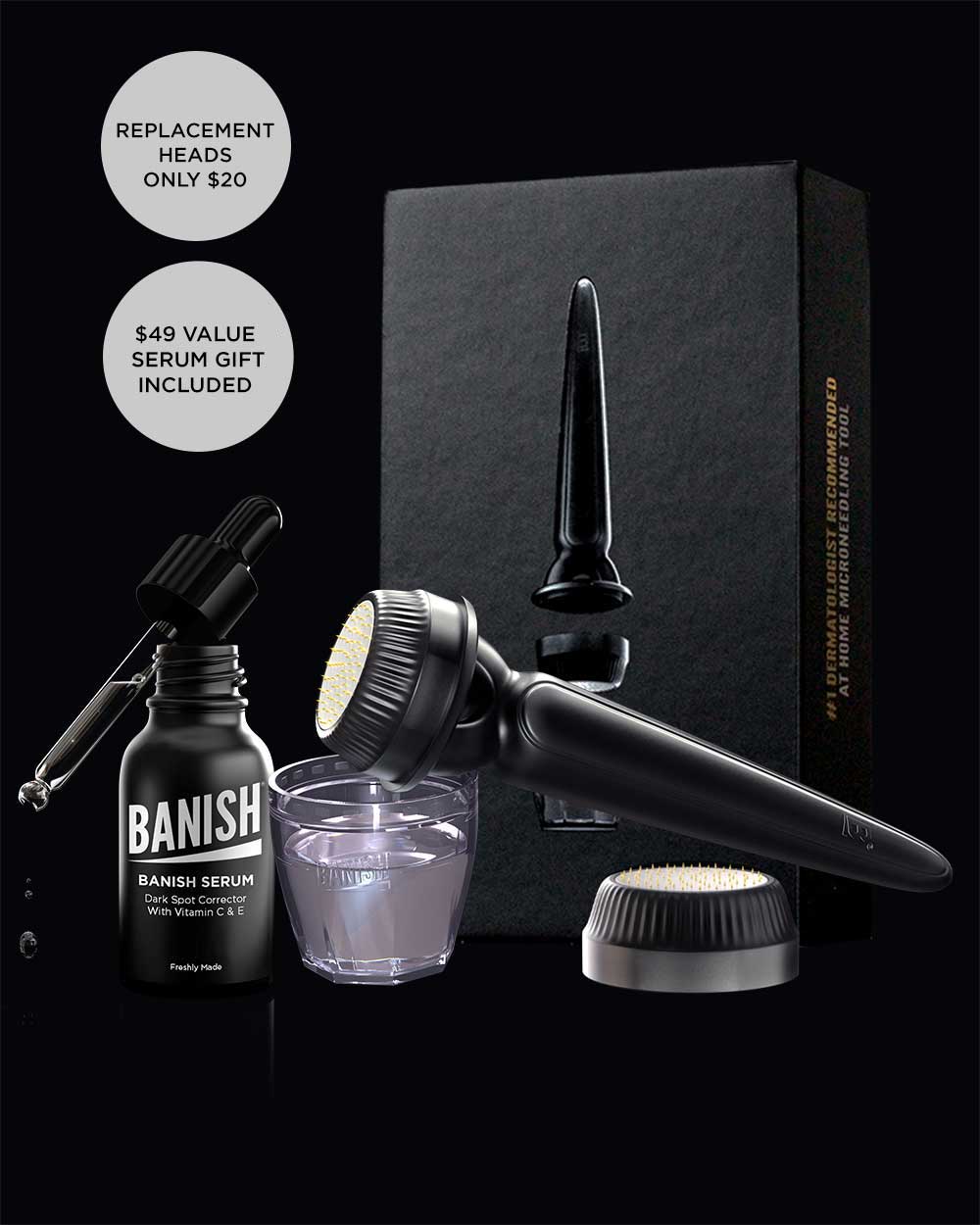
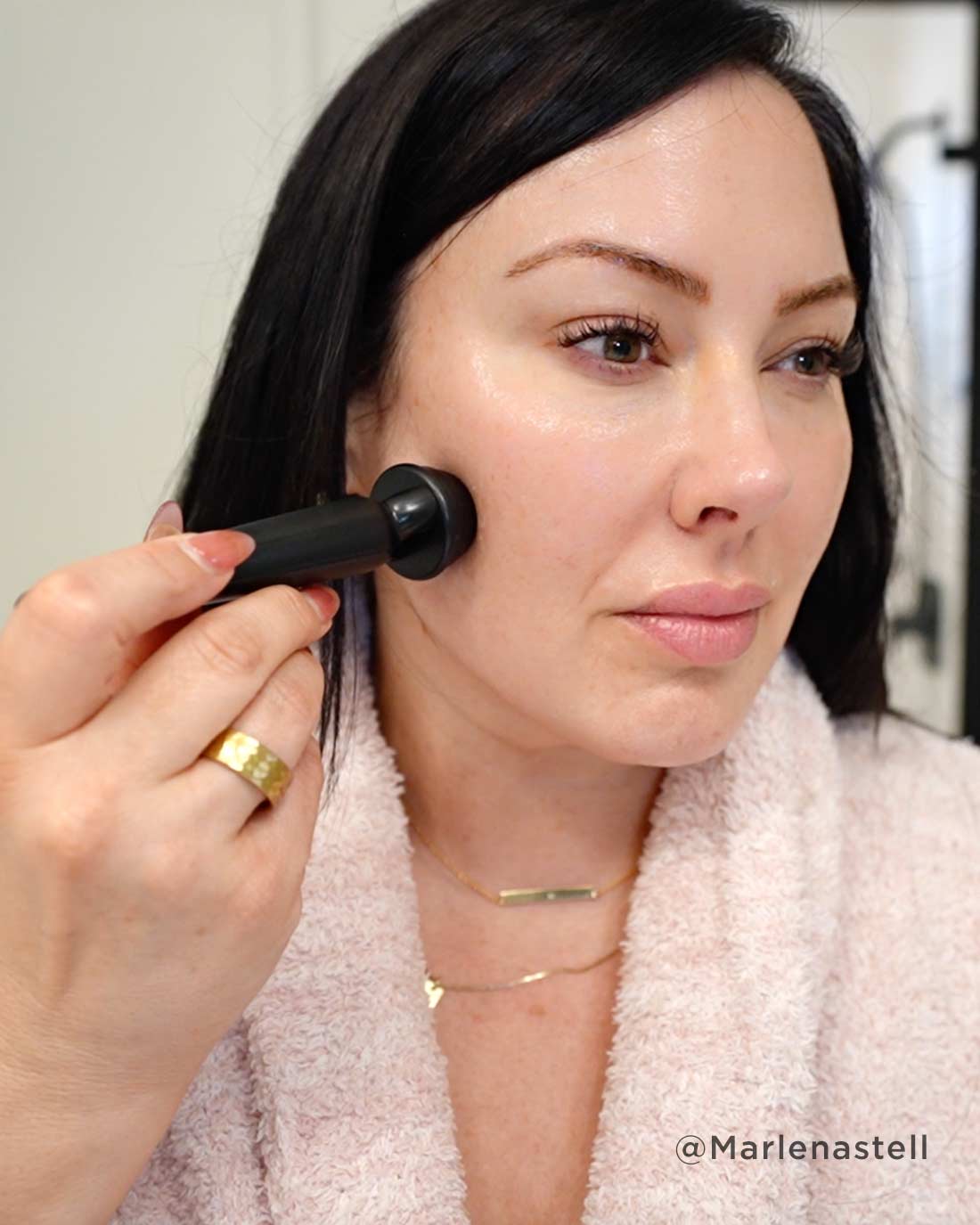
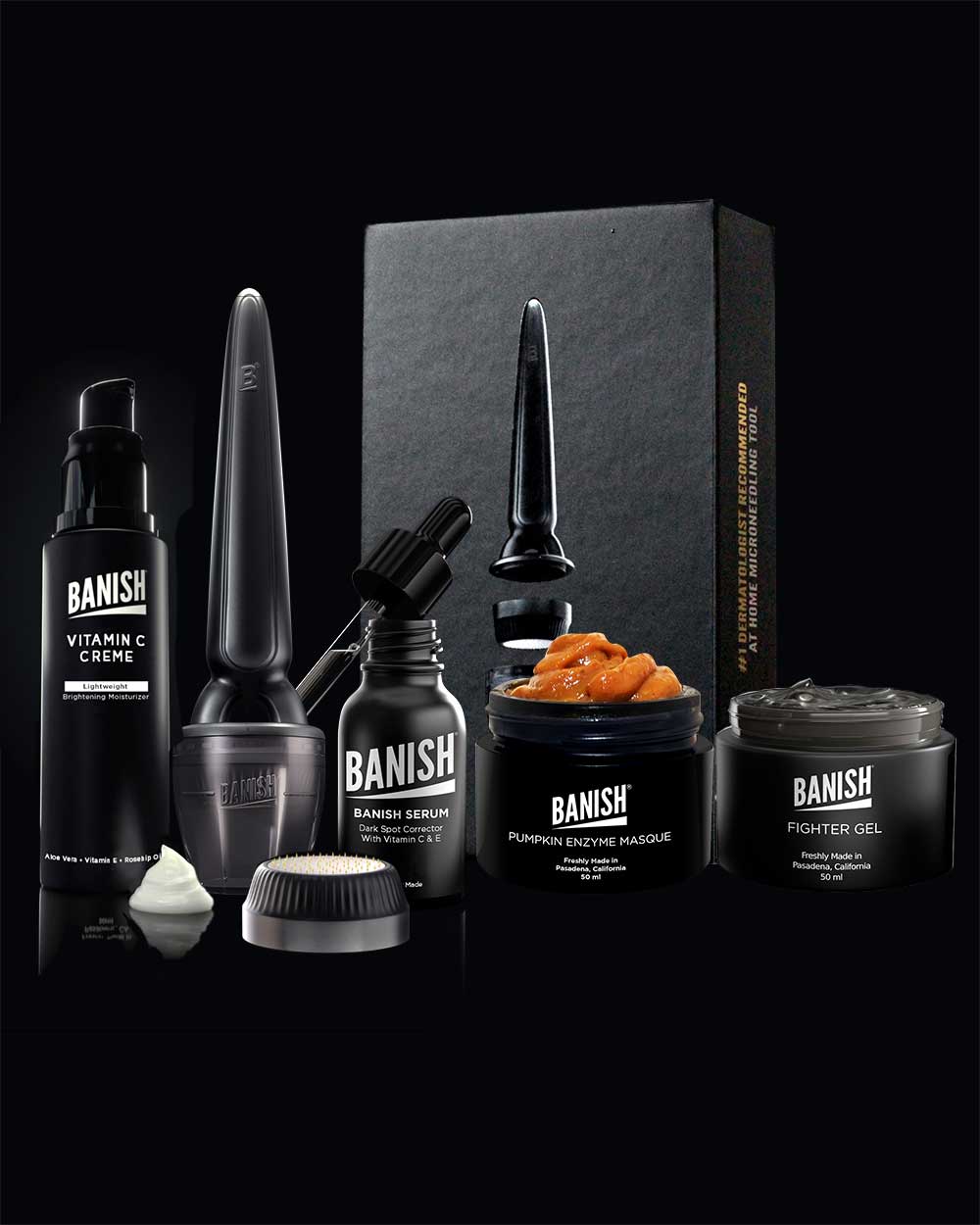
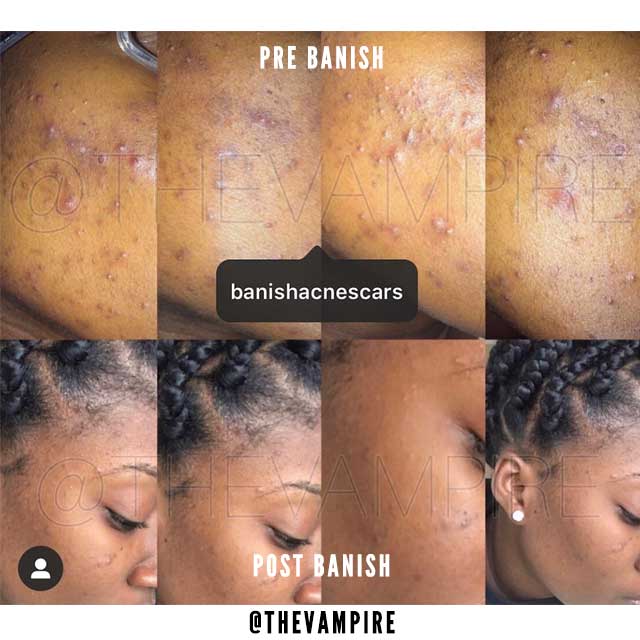
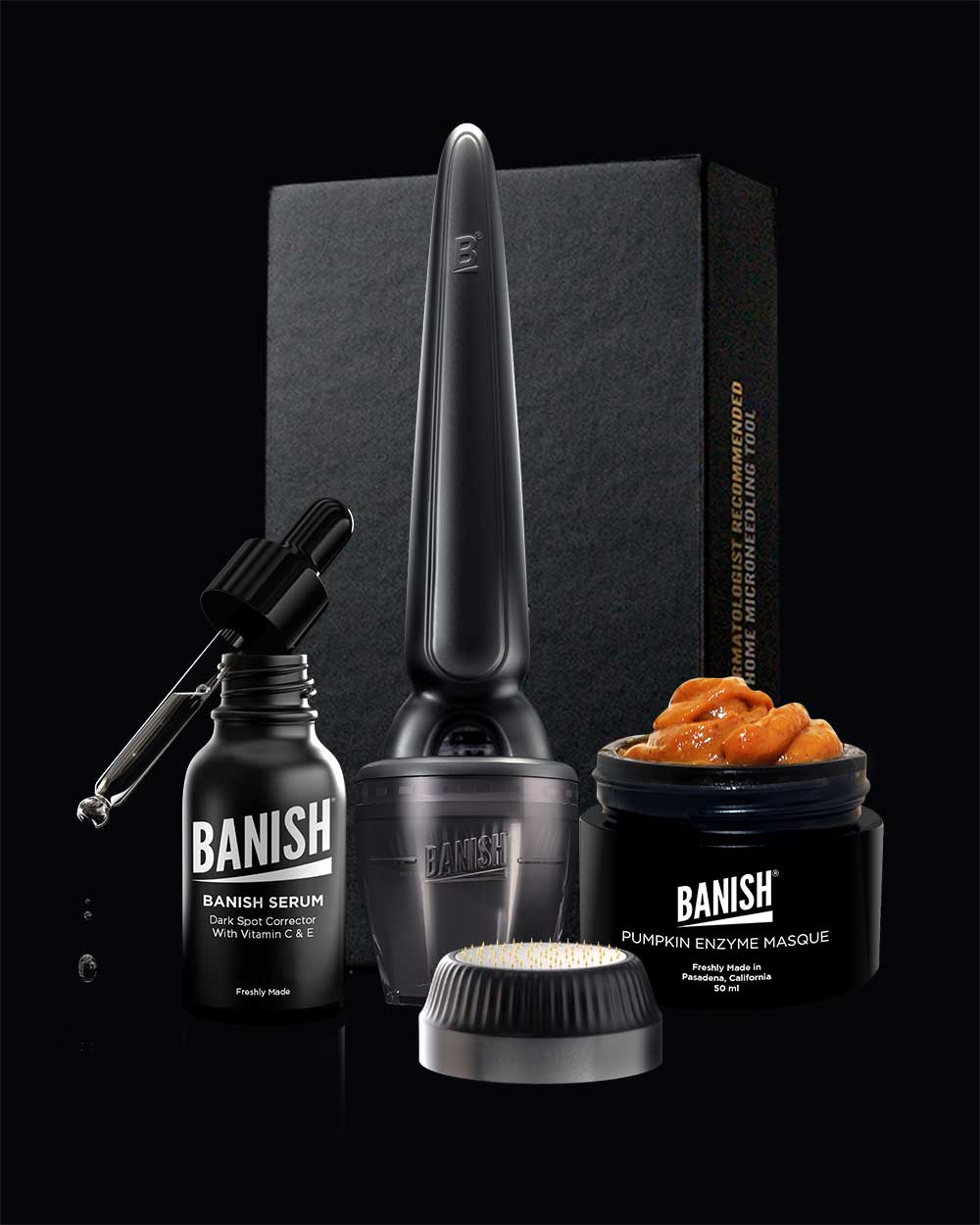
After that point, microneedling at home can be used for improving the look of textural scarring. It works by creating micro-channels in the skin that support collagen remodeling over time. Dark spots and post-inflammatory hyperpigmentation often can start to fade alongside texture improvement after 8 to 12 sessions. The patented Banish Kit 3.0 is one of the best home options for starting this process once your course is fully complete.
Scar improvement takes time. Three to six months of consistent use is usually when people start seeing visible changes in skin texture and tone.
Frequently Asked Questions
How common is it to relapse after Accutane?
Research from 2025 found that about 22.5% of patients experience an acne relapse after completing isotretinoin treatment, and 8.2% require a second course of the medication. The majority of relapses occur within the first two years after finishing treatment.
What is the most important factor in preventing relapse?
Cumulative dose is the strongest predictor of long-term remission. Reaching a total of 120 to 150 mg per kg of body weight during your course significantly lowers the risk of acne returning. Making sure you take each dose with a high-fat meal also matters for proper absorption.
Can I take Accutane a second time if my acne comes back?
Yes. A second course of isotretinoin is often successful and may provide even longer remission than the first. Your dermatologist may adjust the dose or duration based on what happened the first time around.
How long after Accutane should I wait before treating acne scars?
Most dermatologists recommend waiting three to six months after finishing your course before starting scar treatments like microneedling. This gives your skin time to recover its normal healing ability.
Why is it important to take Accutane with a high-fat meal?
Isotretinoin is fat-soluble, which means your body needs dietary fat to absorb it. Taking it without food or with a low-fat meal can reduce absorption by up to 70%, which lowers the effective dose your skin receives and raises the risk of relapse.
Do women relapse more than men after Accutane?
Recent research has found that female sex is associated with higher relapse rates, possibly because hormonal conditions like PCOS continue to drive acne after treatment ends. Women with elevated androgen levels who do not use concurrent anti-androgen therapy appear to be at greater risk of recurrence.
What are the signs that Accutane is not being absorbed well?
Dry lips are one of the most reliable signs that isotretinoin is absorbing properly. If you go through a full course without any dryness, it may be worth talking to your dermatologist about whether the medication is being taken with enough fat at each dose.
References
- Lai J, Barbieri JS. Acne Relapse and Isotretinoin Retrial in Patients With Acne. JAMA Dermatology. 2025. PubMed: 39813053
- Alshammari SA, Alamri Y, Alanazi AM, Almuhanna SA, Pinjabi L, Alsnaidi NA. Prevalence and associated risk factors of acne relapse among Saudi acne vulgaris patients using isotretinoin. Saudi Pharmaceutical Journal. 2020. PMC: 7078551
- Liu A, Yang DJ, Gerhardstein PC, Hsu S. Relapse of acne following isotretinoin treatment: a retrospective study of 405 patients. Journal of Drugs in Dermatology. 2008. PubMed: 19112761
About Veganacnesufferers

I first got acne in high school, and it came back in my early adulthood. I was able to struggle through those difficult times and come out of it a stronger, wiser, healthier person as a result. I'm here to help you do the same thing!






22 comments
Na
Accutane user for 8 months here. They convinced me that it would not come back. After reading all the comments, guess what… . It came back four months later for me too, and I developed IBS shortly after( if it is related to accutane is a medical guess…). I tried to resolve the issue on my own by cutting off skincare drama altogether and not care anymore. Just used cleanser of la.roche and sunscreen which had moisteriser in it too. It worked wonders. I was without acne without any derma help for 6 months. Then, pcos popped up this April. Severe acne again since last 2 months. Dermatologist pushed me to go on Accutane but I refused. Birth control might be needed, but that is another discussion. I asked her to give me a simple course of doxy to just get my body less inflamedl for now along with chemical peeling. Although I know it is not a solution, I just want my skin to get at least some rest. Afterwards , I think using less products and staying without stress is the best option. Let us hope I am right. I am not a supporter of Accutane, thus! And …you do have a say in your medical treatment. I know now that probably pcos is why the last 6 years I am struggling with acne..The first dermatologist put me on accutane without checking with an usg and other parameters for a link with pcos… stress is the biggest problem if you do have an otherwise healthy lifestyle when it comes to exercise and food like me. The fact that my acne cleared up when I stopped caring might be a proof. Let’s hope it is !! All the best to you all. Maybe we should all stop caring and stop being ashamed of it. We consider acne with ugliness triggering us to stress out even more. That might be the biggest problem of acne, in the end.
Faith
I am 15 and I have struggled with cystic acne for many years. I started going to the dermatologist when I was 12 and we tried everything under the sun except for Accutane because I was only 12 (I didn’t want to be a 12-year-old put on birth control). Nothing that we tried ever worked. When I was 14 we decide that we needed to do Accutane was the only thing left to do. I was on Accutane for 8 months because it wasn’t all cleared up. My face, lips, and nose were constantly dry. The only good thing was that my face wasn’t greasy, and neither was my hair. I have been done for about two months now, but my acne is already started to come back. I don’t know what to do because being on Accutane was so hard for me and I really don’t want to do another round. My skin looked so good right after I did Accutane, it was so smooth and perfect. Now it is become bumpy and textured, oily, and breaking out like crazy. Granted I’m 15, but I really wish that my skin would just be clear after going through so many months of that medicine. I don’t know if I should do a second round or hold off and see if it gets any better.
G
I had my first pimple at age 11. As this progressed to moderate acne in the years following, I begged my parents to buy acne cleansers and creams (remember Proactiv?!) to fix my skin – ultimately, I was left with bleached towels and broken dreams. At 15, I saw a doctor and was prescribed various topical treatments to no avail before being treated with doxycycline, which lessened the inflammation and severity of my acne though did not entirely rid me of it. I estimate that I took doxy for around 2 years, at which point my skin was resistant to its therapeutic effects and I was back to square one. After having unsuccessfully tried hormonal treatment (contraceptive pill), I was placed on my first course of acutane at 17. My acne was not cystic nor was it ‘severe’, and in order to minimise side effects I was administered a low-dose course of 20mg daily for around 9 months. My skin responded incredibly, but soon after treatment began a slow and steady relapse. I repeated the course a year later, and my skin repeated its relapse. At 21 my skin was worse than ever, and I clung to OTC topical treatments that left my skin dry, inflamed, and still breaking out. I educated myself around skincare, and implemented a research-based routine that incorporated active ingredients to target my acne prone, oily skin type. This provided me with little relief. Desperate and unable to afford a dermatologist at this point, I began self-dosing acutane that I had purchased online (VERY SKETCHY!). Again, I only saw benefits while taking the drug. At 23 I saw a dermatologist who was reluctant to try acutane a 3rd time, and instead prescribed tretinoin ointment and spiranalactone (anti-androgen for females). Zero results. At 24 I felt utterly defeated, and with nothing to lose I started seeing a specialist at a laser clinic. I invested a great amount of money into high quality, cosmeceutical skincare and biweekly chemical peels. Finally, my skin cleared up. I dialled back to monthly peels, and my skin maintained results well, only beginning to decline when the heat and humidity of summer arrived. Still, I found breakouts that did come to be manageable in a practical and psychological sense. At 25 I was diagnosed with ADHD and prescribed stimulants to treat this. As many who take this medication have, I am currently experiencing some of the worst acne of my life. I’m currently battling my body’s hormonal response to a medication that I must rely on until I complete my tertiary studies, which may be another 4 years yet. I tend to my physical and mental health with great care in an attempt to mediate my cortisol levels, which are undoubtedly the culprit. I have managed to reduce my skins inflammation, but not the degree or number of blemishes. With my skin as sensitive and inflamed as it is on my medication, it is unable to tolerate the chemical peels that once cleared it up. I am seriously considering a 3rd course of acutane, knowing I will likely relapse at some stage, just to carry me through to the point I finish my studies and can manage life without ADHD meds. I hope my experience resonates with somebody, and if it does I highly recommend you invest in cosmetic treatments at a trustworthy clinic AND high quality COSMECEUTICAL skincare. It is an expensive journey, but if you’re like me and nothing else has worked for you, you may see the value and worth of this investment. I also plan on seeing a naturopath to help manage my hormones and gut health to support my skin and overall health in the meantime.
Alisha
I took Accutane in my late teens and have had clear skin since and I am well into my 40’s. Of course there is always that pimple that can pop up due to monthly hormone changes, but overall I have been extremely happy with the results. This was truly a life changing miracle drug for me!
courtney
my skin cleared up amazing on Accutane, but every time I come off, it gets just as bad if not worse. I’ve been on it 4 times, and feel ultra defeated at this point.
Leave a comment
All comments are moderated before being published.
This site is protected by hCaptcha and the hCaptcha Privacy Policy and Terms of Service apply.