

If you search “how often should I microneedle at home,” you’ll quickly notice something frustrating. Every guide says something slightly different.
The truth is that microneedling frequency depends almost entirely on needle depth and healing time. The deeper the needle, the more recovery your skin needs.
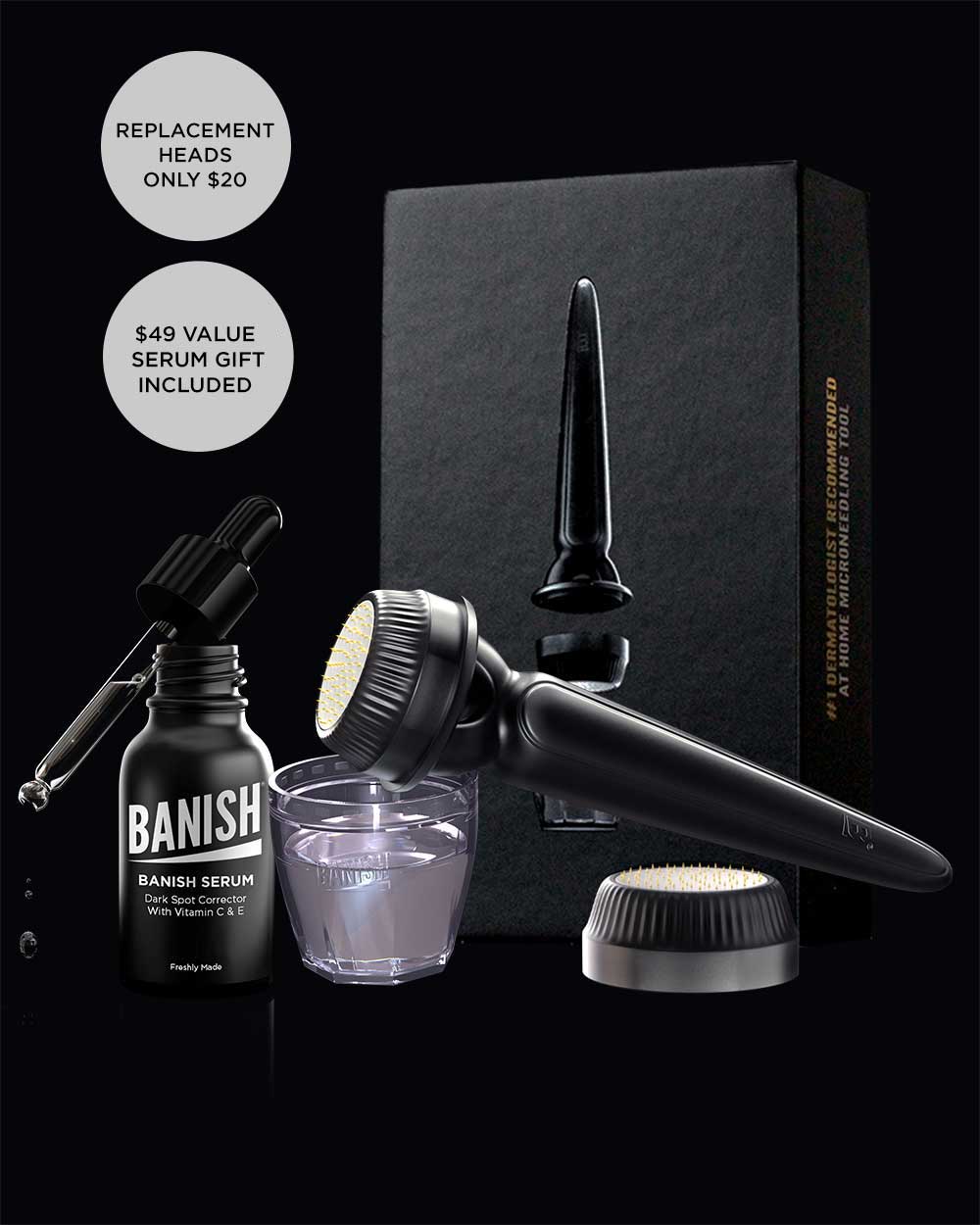
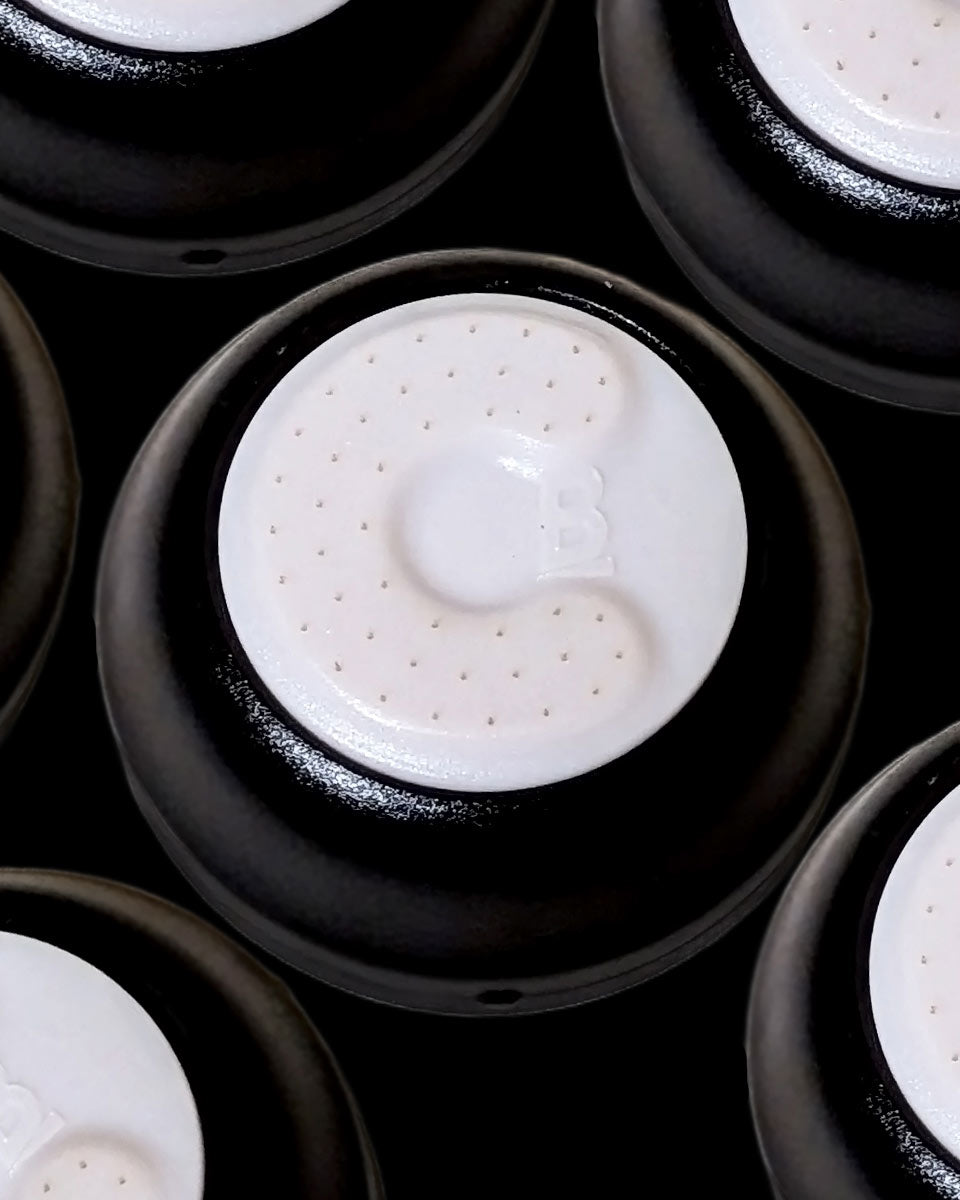
This guide breaks down the most evidence-supported microneedling schedule for at-home use, specifically for depths like 0.25mm, 0.5mm, and 1.0mm using a stamping tool such as the Banisher 3.0 microneedling tool.
We’ll also explain:
- why healing time matters
- what science says about collagen induction
- realistic timelines for acne scar improvement
- how to structure a safe at-home protocol
Quick Answer: At-Home Microneedling Frequency
If you just want the quick reference protocol:
| Needle Depth | Purpose | Typical Frequency |
|---|---|---|
| 0.25 mm | Product absorption and mild skin renewal | 2–3 times per week |
| 0.5 mm | Early collagen stimulation, texture, fine lines | every 1–2 weeks |
| 1.0 mm | Acne scars and deeper collagen remodeling | every 4–6 weeks |
These intervals allow the skin to complete the healing cascade that leads to collagen formation.
Microneedling Frequency Questions
How often should you microneedle at home?
Microneedling frequency depends on the needle depth. A 0.25mm depth can usually be used 2 to 3 times per week because it mainly improves product absorption. A 0.5mm depth is typically used every 1 to 2 weeks - with every 2 weeks recommended for texture and collagen production. A 1.0mm depth is more intense and generally spaced every 4 to 6 weeks so the skin has enough time to heal and rebuild collagen.
Can you microneedle every week?
You can microneedle multiple times per week with very shallow depths like 0.25mm. However deeper treatments should not usually be done weekly. A 0.5mm depth may sometimes be used weekly depending on if you have a high tolerance and if its used in a thicker area of skin, while 1.0mm sessions are usually spaced several weeks apart to allow proper skin recovery.
What is the best microneedling depth for acne scars at home?
For at-home microneedling, many people use around 1.0mm to support collagen remodeling for acne scars. Clinical treatments often use deeper needles, but at-home devices typically stay within shallower depths for safety and gradual improvement over multiple sessions.
Does microneedling more often give faster results?
No. Microneedling works by triggering a wound healing response that produces collagen over time. Doing deeper treatments too frequently can irritate the skin and may slow recovery rather than improve results. Following a schedule based on needle depth usually produces better long-term outcomes.
Why Microneedling Needs Recovery Time
Microneedling works by creating controlled micro-injuries in the skin.
These tiny punctures trigger the body’s wound-healing response, which includes:
- inflammation
- proliferation of new cells
- collagen and elastin remodeling
This process is commonly called collagen induction therapy.
Studies show that microneedling stimulates the release of growth factors and promotes new collagen formation in the dermis.[1,2]
Going through each stage of the healing cycle takes time.
Many protocols space treatments 4 to 6 weeks apart especially when using more aggressive needle depth at 1.0 or more so the skin can fully remodel before the next session.[1,4,5]
Shallower needles heal a lot faster, which is why they can be used more frequently.
Understanding Needle Depths (and What They Actually Do)
Not all microneedling depths serve the same purpose.
Research reviews in dermatology journals note that 0.5mm to 1.0mm depths are commonly used for wrinkles and mild to moderate acne scars, while deeper needles are used for deep scar remodeling.[1,5]
Here’s how the common at-home depths work.
0.25 mm Microneedling Frequency
Best for:
- improving serum absorption
- mild collagen enhancement in thin skin areas like around the eyes
- maintaining glow and even skin tone
Recommended frequency: 2–3 times per week with at least a day spaced apart.
At 0.25mm, the needles mostly pass through the stratum corneum, which allows skincare ingredients to penetrate better.[1,6]
This is why many people pair this depth with active ingredients such as:
- vitamin C (L-ascorbic acid)
- hyaluronic acid
- peptide serums
Since the injury is minimal like a mild exfoliation, recovery is fast.
Typical routine example:
- Monday: 0.25mm session + serum
- Thursday: 0.25mm session + hydration
0.5 mm Microneedling Frequency
Best for:
- mild acne scars
- fine lines
- uneven skin texture
- early collagen stimulation
Recommended frequency: Every 1–2 weeks
I've best to start once every two weeks with a stamper tool like the Banisher 3.0 then it can be adjusted depending on skin tolerance.
At this depth, the needles reach deeper layers of the epidermis where collagen signaling begins to occur without going too deep into the skin which can lead to unwanted side effects.
Studies indicate that needles up to 0.5mm are generally well tolerated and are relatively painless.[1,2]
Typical protocol example:
- Week 1: 0.5mm microneedling
- Week 2: recovery and regular skincare
- Week 3: 0.5mm microneedling again
This rhythm allows collagen signaling without causing excess damage to the skin.
1.0 mm Microneedling Frequency
Best for:
- deeper acne scars
- deeper texture
- deeper wrinkles
- stronger collagen remodeling
Recommended frequency: Every 4–6 weeks
This spacing matches the skin’s natural remodeling timeline.
Dermatology treatment plans often use monthly sessions for collagen induction.[1,3,5]
That’s because collagen remodeling takes about a month to progress through the full healing cycle.[1,3,5]
Doing it sooner may interrupt the regeneration process rather than improve it.
Typical protocol example:
- Month 1: 1.0mm session
- Month 2: second treatment
- Month 3: third treatment
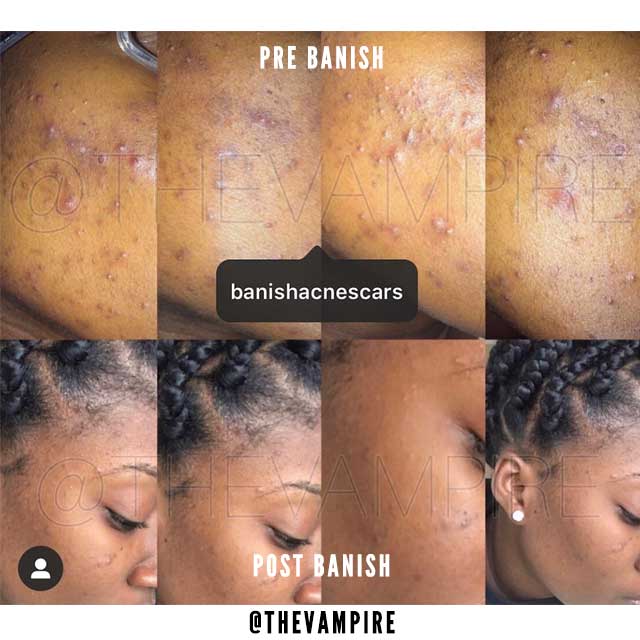
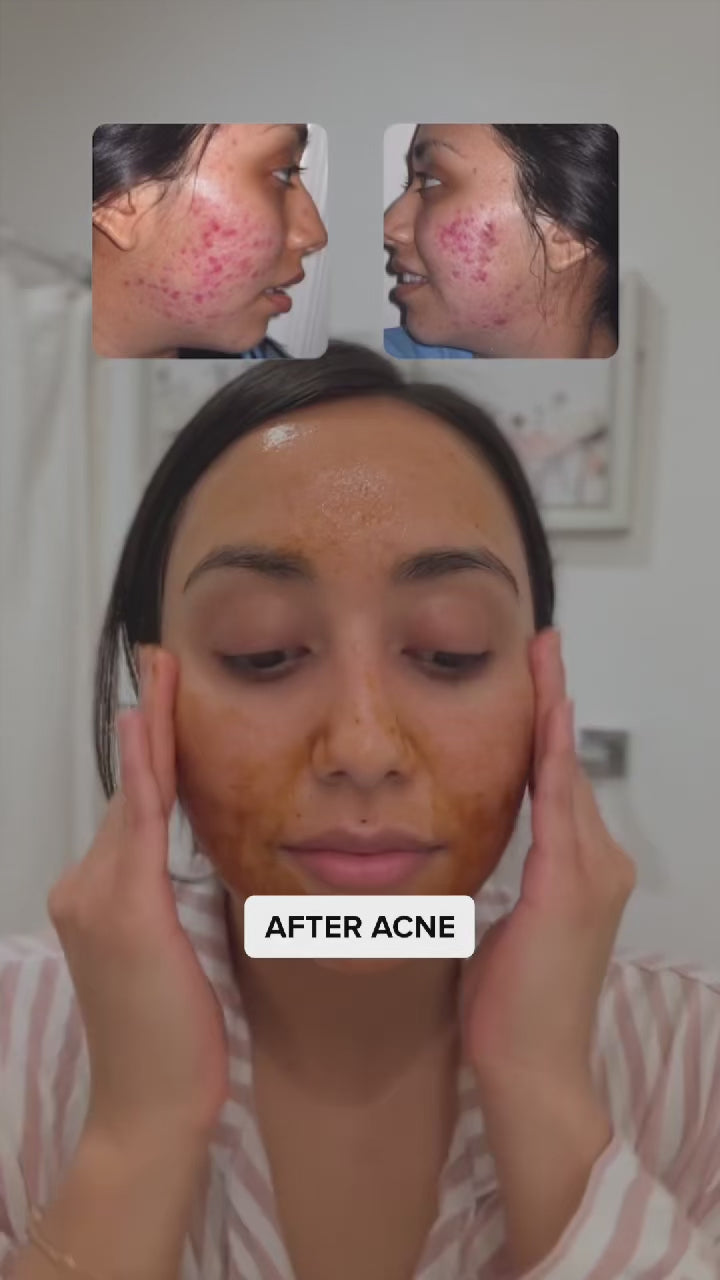
Most people start noticing improvements after 3–6 sessions, depending on the severity of scarring.
Why a Stamp Tool Is Often Preferred for At-Home Microneedling
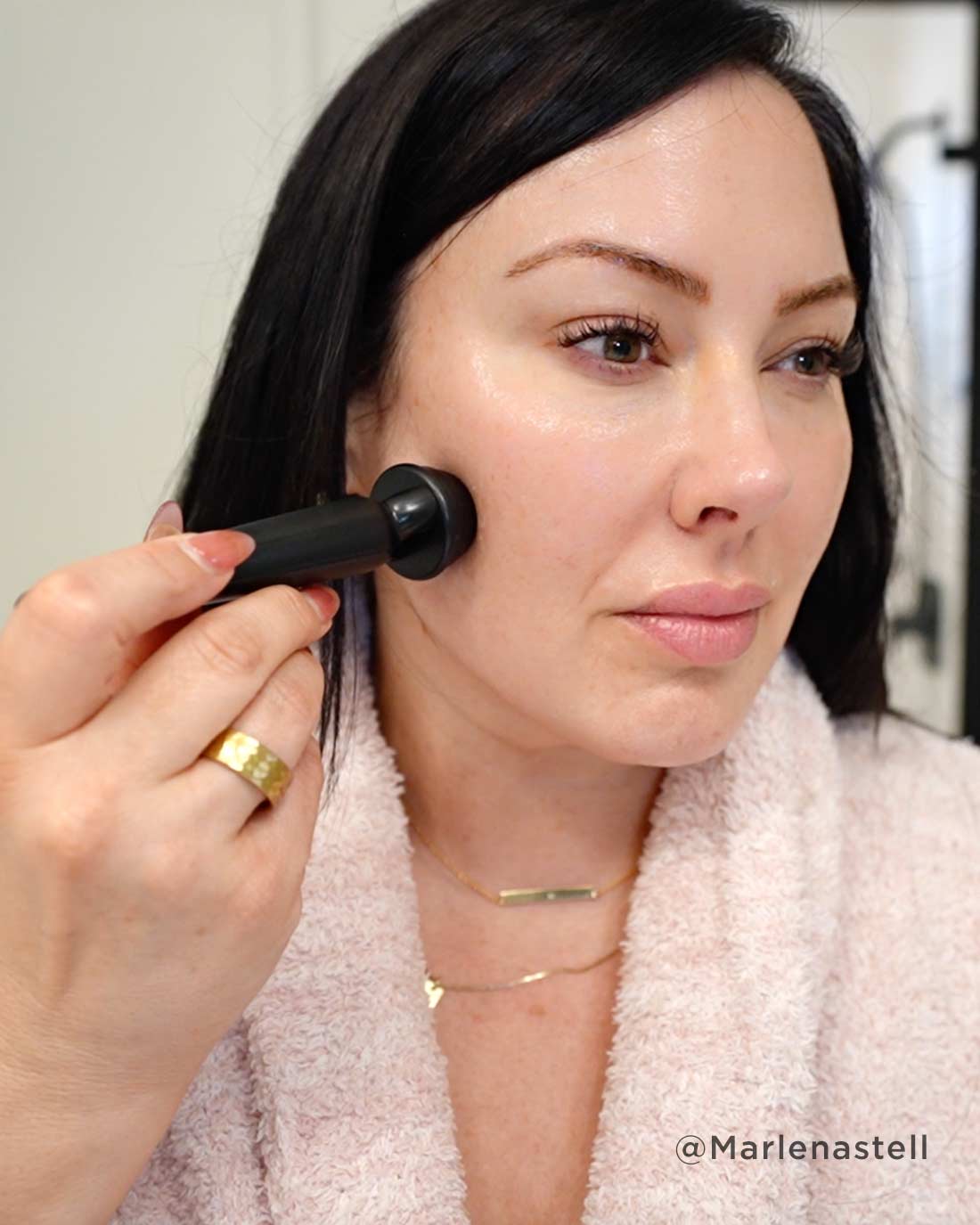
Many at-home devices use rollers or motorized pens. Stamp tools work a little differently. Instead of dragging needles across the skin, a stamp tool presses needles vertically into the skin.
Benefits of stamping include:
- less dragging across the skin
- more controlled depth
- easier targeting of acne scars
- reduced irritation for beginners
Since microneedling works by creating uniform microchannels, controlled vertical insertion can reduce unnecessary trauma compared with dragging needles across the skin.
This is why many dermatology practitioners recommend stamping motions and manual stamping tools for home use.
How Long It Takes to See Microneedling Results
Microneedling works gradually. Collagen production and remodeling occur over months, not days.
Typical timeline:
| Timeframe | What happens |
|---|---|
| Week 1 | mild redness and healing |
| Weeks 2–4 | early collagen signaling |
| Months 2–3 | subtle skin texture improvement |
| Months 4–6 | visible scar softening and softening of lines |
Many clinical protocols involve multiple sessions spaced weeks apart because collagen remodeling builds cumulatively.[1,4,5]
Consistency matters more than intensity.
A Simple At-Home Microneedling Protocol
Here’s a safe and realistic protocol for most people using shallow depths.
Weekly skincare routine:
- Day 1: microneedle session
- Days 2–3: hydrating skincare, avoid strong actives
- Days 4–7: resume normal routine
Then repeat based on the needle depth schedule and your skin tolerance.
Safety Rules for At-Home Microneedling
Microneedling is generally considered minimally invasive when done properly.[1,2]
But improper use can cause irritation or infection. Basic safety rules:
- always disinfect your tool
- never needle active acne lesions
- avoid inflamed or infected skin
- replace needles regularly
- avoid makeup immediately after treatment
Also avoid microneedling if you have: an active rosacea flare, eczema flare, skin infection, or recent chemical peel. When in doubt, consult a dermatologist.
Common Mistakes That Slow Down Microneedling Results
Microneedling too often: The biggest mistake beginners make. Skin needs time to heal. More treatments do not equal faster collagen.
Using too deep a needle: At-home protocols should stay within shallow ranges. Deep medical treatments belong in a clinical setting because the risks are higher with deep needles.
Skipping hydration and recovery: Microneedling works best when the skin barrier is supported. Focus on hydration, antioxidants, and gentle non irritating skincare.
The Takeaway
If you remember only one thing from this guide, remember this: Microneedling frequency is determined by needle depth and skin recovery time.
A safe general protocol for at-home microneedling with a manual stamper is:
- 0.25mm: 2–3 times per week
- 0.5mm: every 1–2 weeks
- 1.0mm: every 4–6 weeks
Microneedling works best when done consistently over several months. Think of it as training your skin to rebuild collagen slowly and steadily. Patience usually produces the best results.
References
- Singh A, Yadav S. Microneedling: Advances and widening horizons. Indian Dermatol Online J. 2016;7(4):244-254. doi:10.4103/2229-5178.185468.
- Jaiswal S, Jawade S. Microneedling in Dermatology: A Comprehensive Review of Applications, Techniques, and Outcomes. Cureus. 2024;16(9):e70033. doi:10.7759/cureus.70033.
- Aust MC, Fernandes D, Kolokythas P, Kaplan HM, Vogt PM. Percutaneous collagen induction therapy: an alternative to laser resurfacing. Aesthetic Plast Surg. 2008;32(3):433-442. doi:10.1007/s00266-007-9061-z.
- Iriarte C, Kaur RR, Kontzias CR, Cohen JL. Review of applications of microneedling in dermatology. Clin Cosmet Investig Dermatol. 2017;10:289-298. doi:10.2147/CCID.S142450.
- Hou A, Cohen B, Haimovic A, Elbuluk NH. Microneedling: A Review and Practical Guide. Dermatol Surg. 2017;43(3):321-339. doi:10.1097/DSS.0000000000001062.
- McCrudden MT, Alkilani AZ, Courtenay AJ, et al. Considerations in the development of microneedle-based drug delivery systems. Drug Deliv Transl Res. 2015;5(1):3-14. doi:10.1007/s13346-014-0215-3.



















1 comment
Anaelimont
I’ve been dermaneedling over 10 years. I have some new acne marks abd want wrinkle prevention. Can I do the 1.0 every 2-3 weeks or is it really recommended to only use every 4-6 weeks despite having high tolerance. Also If the previous question is answered with only 1x a month…can I use the 1.0 1x a month but still used the .5 every 2 weeks for example 1.0 on Jan 1 but then 0.5 on Jan 15 and then 1.0 Jan 30?
Leave a comment
All comments are moderated before being published.
This site is protected by hCaptcha and the hCaptcha Privacy Policy and Terms of Service apply.