

It would be nice if all skincare formulas were made with acne prone skin in mind, but in reality, having acne means paying a little extra attention to checking if there are acne-causing ingredients in our products.

Pore Clogging Ingredients: What Actually Causes Breakouts (And What Doesn’t)
If you’ve ever searched “pore clogging ingredients,” you’ve probably seen long lists telling you to avoid certain oils, waxes, and silicones.
But the trust is that ingredients alone don’t determine whether a product will break you out.
What matters is the full formula, the concentration, and how your skin reacts to it.
- What “comedogenic” really means
- What actually causes pores to clog
- The most commonly blamed ingredients
- How to choose products that work for your skin
What Does “Comedogenic” Mean?
“Comedogenic” refers to an ingredient’s potential to clog pores and form comedones (blackheads and whiteheads).
- 0: Non-comedogenic
- 1: Low risk
- 2–3: Moderate risk
- 4–5: High risk
This system comes from studies in the 1970s where ingredients were applied in high concentrations to rabbit ears and later human skin under occlusion1.
That’s very different from how we actually use skincare today, which is why these ratings should be used as a general guide, not a strict rule. I'd take the comedogenic ratings with a grain of salt.
What Actually Causes Pores to Get Clogged?
Instead of focusing only on ingredients, it helps to understand what leads to clogged pores:
- Excess oil production
- Dead skin buildup
- Bacteria like C. acnes
- Heavy or poorly layered skincare
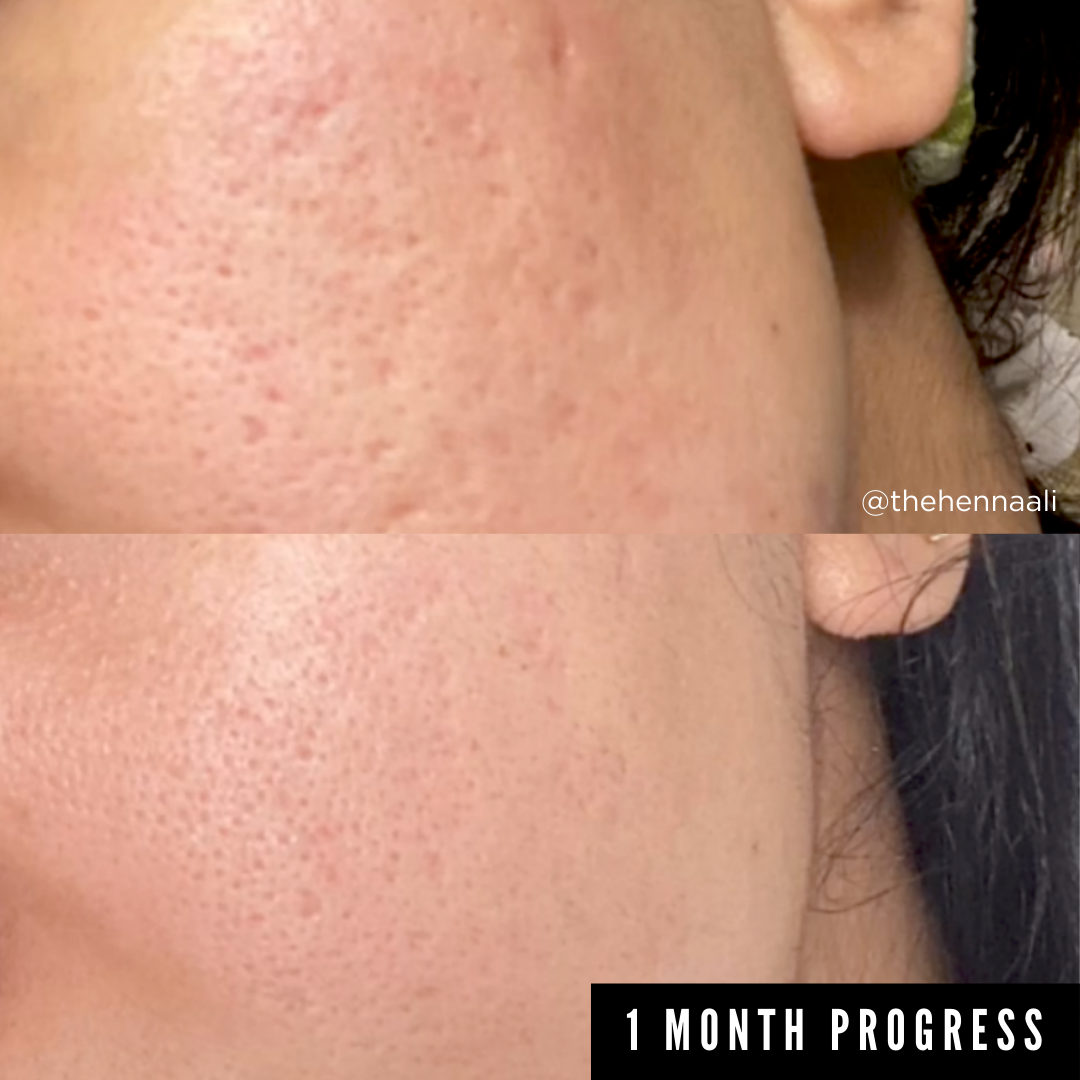
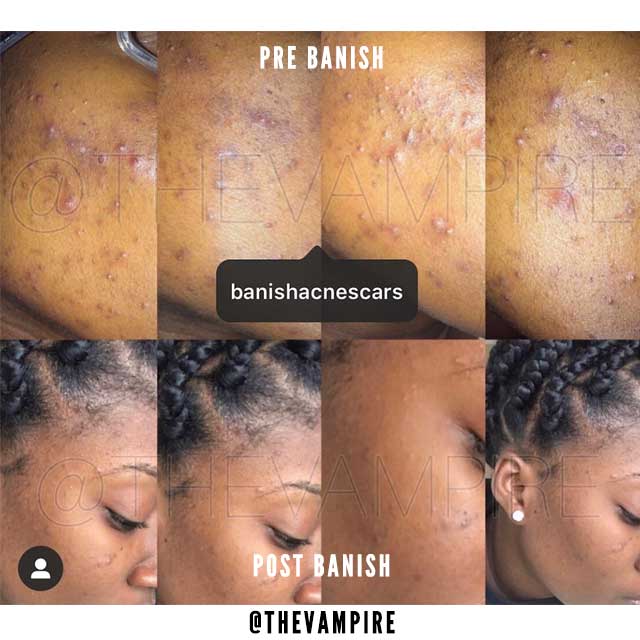
This is why improving skin turnover matters. Approaches like gentle exfoliation or microneedling have been studied for improving acne scars and skin texture through collagen remodeling. As texture improves, some people notice pores appear smaller or less visible over time.
The Most Common Pore Clogging Ingredients (And When They Actually Matter)
Coconut Oil
Rating: 4
More likely to clog pores when used in higher concentrations, especially in leave-on products.
Cocoa Butter
Rating: 4
Very rich and occlusive. Better suited for body care than acne-prone facial skin.
Isopropyl Myristate / Isopropyl Isostearate
Rating: 4–5
Commonly used for texture but more consistently linked to clogged pores.
Lanolin
Rating: 4
Highly moisturizing but can be problematic for acne-prone skin.
Laureth-4
Rating: 5
One of the highest-rated ingredients in older comedogenic studies.
Lauric Acid
Rating: 4
Has both pore-clogging potential and antibacterial properties depending on use2.
Ingredients That Get Blamed (But Aren’t Always the Problem)
Petroleum Jelly
Rating: 0
Petroleum jelly is generally considered non-comedogenic and is widely used to support the skin barrier. That said, it is very occlusive. Some acne-prone individuals (including from my personal experience) find that heavy occlusive products can feel too greasy or contribute to breakouts depending on their skin and routine.
Silicones (Dimethicone, Cyclopentasiloxane)
Rating: 0–1
Silicones are generally considered non-comedogenic and are often used to protect the skin barrier. If breakouts happen, it’s usually due to the overall formula, not the silicone itself.
Why Comedogenic Ratings Are Often Misleading
Concentration Matters
Ingredients tested at high concentrations may behave very differently in finished formulas5.
Formulation Matters More Than Ingredients
A product with a “high-risk” ingredient can still perform well depending on formulation6.
Testing Conditions Aren’t Real Life
Most data comes from unrealistic testing conditions compared to daily skincare use1.
Individual Skin Differences
Skin responses vary widely. What breaks one person out may not affect another.
Comedogenic Rating Chart (Common Ingredients)
This list focuses on widely used ingredients with more established comedogenic context.
| Rating 0–1 | Rating 2–3 | Rating 4–5 |
|---|---|---|
| Glycerin (0) | Almond Oil (2) | Isopropyl Myristate (5) |
| Hyaluronic Acid (0) | Avocado Oil (2–3) | Isopropyl Isostearate (4–5) |
| Niacinamide (0) | Olive Oil (2) | Coconut Oil (4) |
| Panthenol (0) | Cetyl Alcohol (2) | Cocoa Butter (4) |
| Aloe Vera (0) | Stearyl Alcohol (2) | Lanolin (4) |
| Allantoin (0) | Cetearyl Alcohol (2) | Laureth-4 (5) |
| Squalane (1) | Glyceryl Stearate (2–3) | Myristyl Myristate (5) |
| Dimethicone (1) | Stearic Acid (2–3) | Oleth-3 (5) |
| Zinc Oxide (1) | Caprylic/Capric Triglyceride (2) | Ethylhexyl Palmitate (4) |
| Titanium Dioxide (0) | Vitamin E (2–3) | Isostearyl Isostearate (4) |
| Chamomile Extract (0) | Jojoba Oil (2) | Lauric Acid (4) |
| Green Tea Extract (0) | Sunflower Oil (2) | Wheat Germ Oil (5) |
How to Tell If a Product Is Breaking You Out
- Introduce one new product at a time
- Track results over 2–4 weeks
- Check ingredient placement in the list
- Look for patterns
Should You Avoid All Pore Clogging Ingredients?
No.
A better approach is:
- Be cautious with high-risk ingredients in high concentrations
- Focus on how your skin responds
- Evaluate the full formulation
Studies show that switching to non-comedogenic formulations can reduce acne in some individuals7, but no single ingredient determines outcomes.
Full Comedogenic Ingredient Database
Ratings are based on historical comedogenicity models and should be used as a general guide, not a strict rule.
| Low Risk (0-1) | Moderate Risk (2-3) | High Risk (4-5) |
|---|---|---|
| Acetone (0) | A & D additive (2) | Acetylated lanolin alcohol (4-5) |
| Acetylated lanolin (0) | Ascorbyl palmitate (2) | Cetearyl alcohol + ceteareth-20 (4) |
| Allantoin (0) | Butyl stearate (3) | Cetyl acetate (4) |
| Almond oil (1-2) | Capric acid (2) | Cocoa butter (4) |
| Aminomethylpropylamine (0) | Ceteareth-20 (2) | Coconut butter (4) |
| Ammonium lauryl sulfate (10%) (0) | Cetearyl alcohol (2) | Ethylhexyl palmitate (4) |
| Anhydrous lanolin (0-1) | Cetyl alcohol (2) | Glyceryl-3-diisostearate (4) |
| Apricot kernel oil (1-2) | Cotton seed oil (3) | Isocetyl alcohol (4) |
| Archidic acid (1-2) | D & C red #17 (3) | Isopropyl isostearate (4-5) |
| Avocado oil (0-3) | D & C red #19 (2) | Isopropyl linoleate (4-5) |
| Babassu oil (1) | D & C red #21 (2) | Isopropyl myristate (5) |
| Beeswax (0-2) | D & C red #27 (2) | Isostearyl isostearate (4) |
| Behenic acid (0) | D & C red #3 (3) | Lanolin acid (4) |
| Behenyl erucate (0) | D & C red #30 (3) | Laureth-4 (5) |
| Behenyl triglyceride (0) | D & C red #36 (3) | Lauric acid (4) |
| Bentonite (0) | D & C red #4 (2) | Myristyl lactate (4) |
| Black walnut extract (0) | D & C red #40 (2) | Myristyl myristate (5) |
| Butylene glycol (1) | Decyl oleate (3) | Oleth-3 (5) |
| Candelilla wax (1) | Di-(2-ethylhexyl) succinate (2) | Oleyl alcohol (4) |
| Caproic acid (0-2) | Dioctyl malate (3) | PEG-16 lanolin (Solulan 16) (4) |
| Caprylic acid (1) | Dioctyl succinate (3) | Polyglyceryl-3-diisostearate (4) |
| Carbomer 940 (1) | Eicosanoic acid (2) | PPG-5 ceteth-10 phosphate (4) |
| Carboxymethylcellulose (0) | Ethylhexyl pelargonate (2) | Steareth-10 (4) |
| Carboxypropylcellulose (1) | Evening primrose oil (3) | Stearyl heptanoate (4) |
| Carmine (0) | Glyceryl stearate SE (3) | Xylene (4) |
| Carnuba wax (1) | Grape seed oil (2-3) | |
| Castor oil (0-1) | Hydrogenated vegetable oil (3) | |
| Ceresin wax (0) | Isopropyl lanolate (3) | |
| Cetyl ester NF (1) | Isopropyl myristate (50%) (3-4) | |
| Cetyl palmitate (0) | Isopropyl palmitate (3-4) | |
| Chamomile extract (0) | Isostearyl neopentanoate (3) | |
| Chaulmoogra oil (1) | Laneth-10 (2) | |
| Cholesterol (0) | Laureth-23 (3) | |
| Chondroitin sulfate (0) | Mink oil (2-3) | |
| Coleth-24 (0) | Myristic acid (3) | |
| Corn oil (0-3) | Myristyl alcohol (2) | |
| Cyclomethicone (0) | Octyl palmitate (2-3) | |
| D & C red #33 (1) | Oleth-10 (2) | |
| D & C red #6 (1) | Oleth-3 phosphate (2) | |
| D & C red #7 (1) | Oleth-5 (3) | |
| D & C red #9 (1) | Palmitic acid (2) | |
| Diethylene glycol monoethyl ether (EGME) (0) | Peach kernel oil (2) | |
| Diisopropyl adipate (0) | Peanut oil (2) | |
| Diisopropyl dimerate (0) | PEG-100 distearate (2) | |
| Dimethicone (1) | PEG-150 distearate (2) | |
| Emulsifying wax NF (0) | PEG-200 dilaurate (3) | |
| Ethyl ether (0) | PEG-8 stearate (3) | |
| Ethylene glycol monostearate (0) | Pentaerythrital tetra isostearate (2) | |
| Glucose glutamate (0) | PG caprylate/caprate (2) | |
| Glycereth-26 (0) | PG dipelargonate (2) | |
| Glycerin (0) | Phytantriol (2) | |
| Glyceryl stearate NSE (1) | PPG-10 cetyl ether (3) | |
| Glyceryl tricapylo/caprate (1) | PPG-2 myristyl propionate (3) | |
| Hexylene glycol (0-2) | PPG-2 PEG-65 lanolin oil (2) |
| Low Risk (0-1) | Moderate Risk (2-3) | High Risk (4-5) |
|---|---|---|
| Hydantoin (0) | Propylene glycol isostearate (3-4) | |
| Hydrogenated castor oil (1) | Sandalwood seed oil (2) | |
| Hydrogenated polyisobutane (1) | Sesame oil (unrefined) (3) | |
| Hydrolyzed animal protein (0) | Shark liver oil (3) | |
| Hydroxypropylcellulose (1) | Sorbitan oleate (3) | |
| Iron oxides (0) | Soybean oil (3) | |
| Isocetyl stearate (0-1) | Steareth-2 (2) | |
| Isodecyl oleate (1-3) | Steareth-20 (2) | |
| Isopropyl alcohol (0) | Stearic acid (2-3) | |
| Jojoba oil (0-2) | Stearic acid:TEA (3) | |
| Kaolin (0) | Stearyl alcohol (2) | |
| Lanolin alcohol (0-2) | Sulfated jojoba oil (3) | |
| Lanolin oil (0-1) | Sweet almond oil (3) | |
| Lanolin wax (1) | Triethanolamine (2) | |
| Lithium stearate (1) | Water soluble sulfur (3) | |
| Magnesium aluminium silicate (0) | Wheat germ glyceride (3) | |
| Magnesium stearate (1) | ||
| Maleated soybean oil (0) | ||
| Methylparaben (0) | ||
| Mineral oil (0-2) | ||
| Myristyl myristate (50%) (0-1) | ||
| Octoxynol-9 (0-1) | ||
| Octyl dimethyl PABA (0) | ||
| Octyl methoxycinnamate (0) | ||
| Octyl salicylate (0) | ||
| Octyldodecyl stearate (0) | ||
| Octyldodecyl stearoyl stearate (0) | ||
| Oleth-20 (0) | ||
| Olive oil (0-2) | ||
| Oxybenzone (0) | ||
| Panthenol (0) | ||
| Papain (0) | ||
| PEG-10 soya sterol (0) | ||
| PEG-100 stearate (0) | ||
| PEG-120 methyl glucose dioleate (0) | ||
| PEG-20 stearate (1) | ||
| PEG-40 castor oil (0) | ||
| PEG-40 sorbitan laurate (0) | ||
| PEG-5 soya sterol (0) | ||
| PEG-75 lanolin (0) |
| Low Risk (0-1) | Moderate Risk (2-3) | High Risk (4-5) |
|---|---|---|
| PEG-78 glyceryl monococoate (0) | ||
| PEG-8 castor oil (1) | ||
| Pentaerythrital tetra capra/caprylate (0) | ||
| PG dicaprylate/caprate (1) | ||
| PG laurate (0) | ||
| PG monostearate (0-3) | ||
| Phenoxyethyl paraben (0) | ||
| Polyethylene glycol (PEG-400) (1) | ||
| Polypentaerythrital tetralaurate (0) | ||
| Polysorbate-20 (0) | ||
| Polysorbate-80 (0) | ||
| PPG-30 cetyl ester (0) | ||
| PPG-50 cetyl ester (0) | ||
| Precipitated sulfur (0) | ||
| Propylene glycol (0) | ||
| Propylparaben (0) | ||
| PVP (0) | ||
| Safflower oil (0-2) | ||
| SD alcohol 40 (0) | ||
| Sesame oil (refined) (1) | ||
| Simethicone (1) | ||
| Sodium hyaluronate (0) | ||
| Sodium lauryl sulfate (10%) (0) | ||
| Sodium lauryl sulfate (5%) (0) | ||
| Sodium PCA (0) | ||
| Sorbitan isostearate (1-2) | ||
| Sorbitan laurate (1-2) | ||
| Sorbitan sesquinoleate (0-1) | ||
| Sorbitan stearate (0) | ||
| Sorbitol (0) | ||
| Soya sterol (0) | ||
| Squalane (1) | ||
| Steareth-100 (0) | ||
| Sterol esters (0) | ||
| Sucrose distearate (0) | ||
| Sucrose stearate (0) | ||
| Sunflower oil (0) | ||
| Talc (1) | ||
| Titanium dioxide (0) | ||
| Tocopherol (0-3) | ||
| Tocopheryl acetate (0) | ||
| Triacetin (0) | ||
| Tridectyl neopentanoate (0) | ||
| Ultramarine violet (0) | ||
| Vitamin A palmitate (1-3) | ||
| Zinc oxide (1) | ||
| Zinc stearate (0) |
References










2 comments
kavyapharma
“What a great guide! Thanks for clarifying comedogenic ratings and providing helpful advice to focus on how products really work on our skin instead of just ingredient lists. Very useful and empowering!”
Kimberly Kennedy
You have to add the 5 next to the Acetyl aged Lanolin in your graph. The number you have is wrong. Other than that, great!
Leave a comment
All comments are moderated before being published.
This site is protected by hCaptcha and the hCaptcha Privacy Policy and Terms of Service apply.