
Medically reviewed by Dr. Abigail Waldman, MD, FAAD
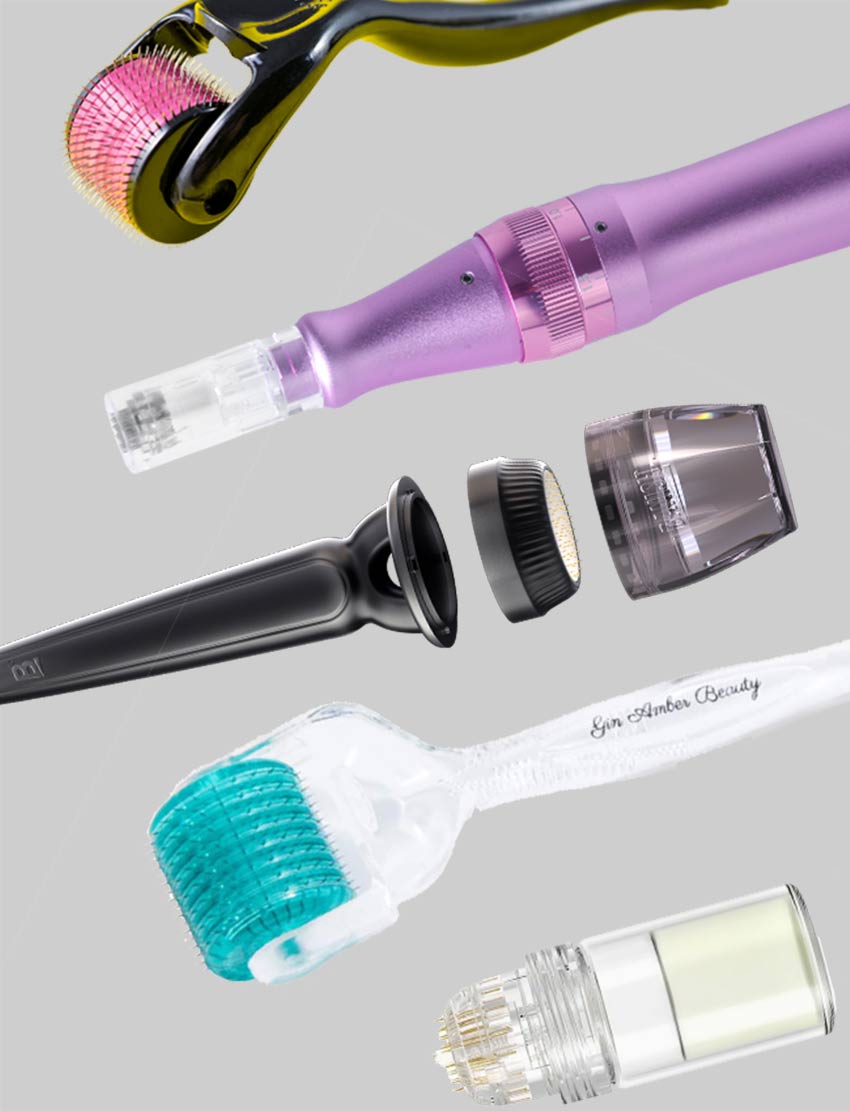
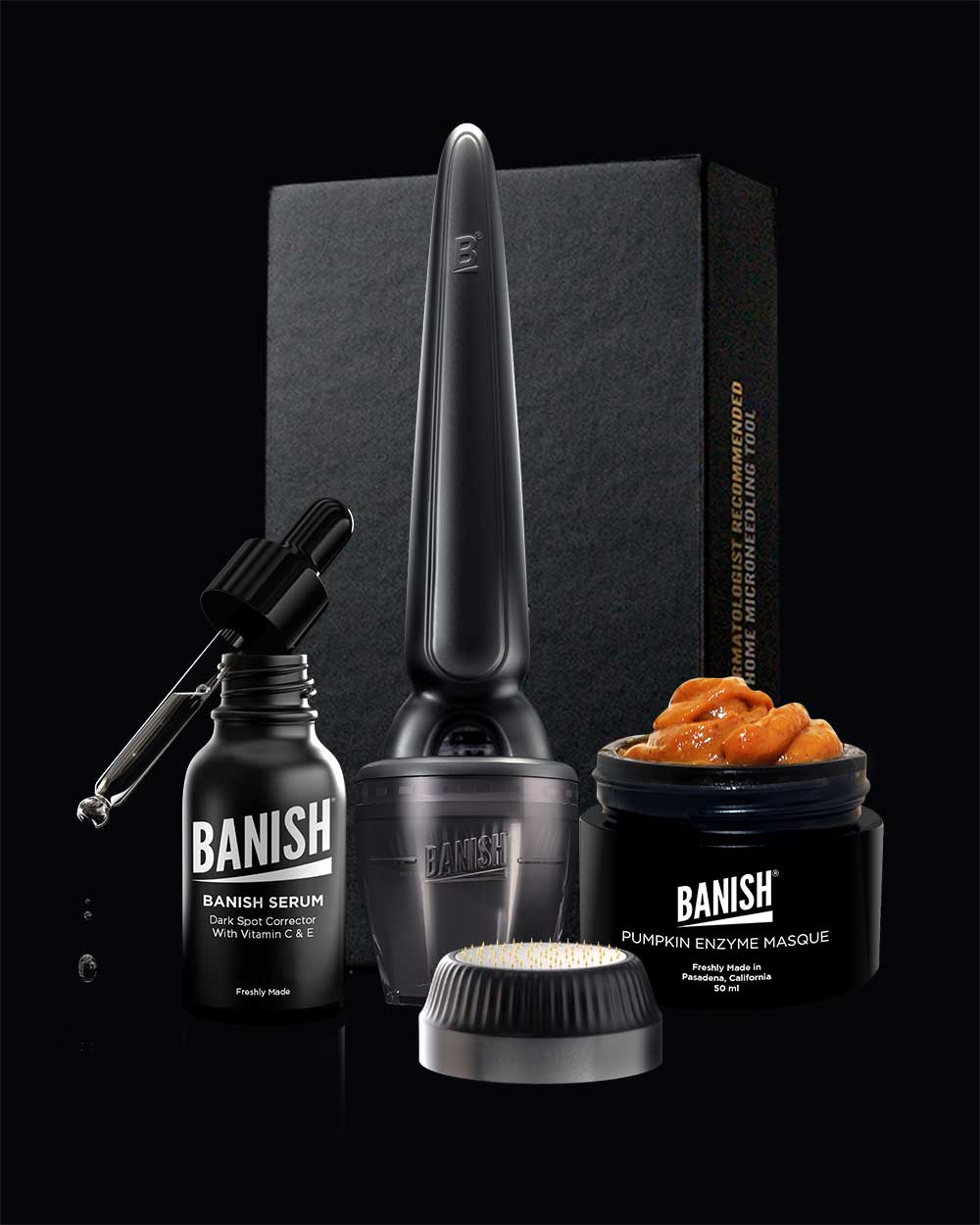
If you want the short answer, the Banisher 3.0 is our top pick for at-home microneedling because its flat stamp design gives you more control and a safer needle entry than rollers or pens, while still working deep enough to stimulate collagen production. Below, we break down how it compares to the other top searched-for devices, including Dr. Pen, dermarollers, and microinfusion tools.
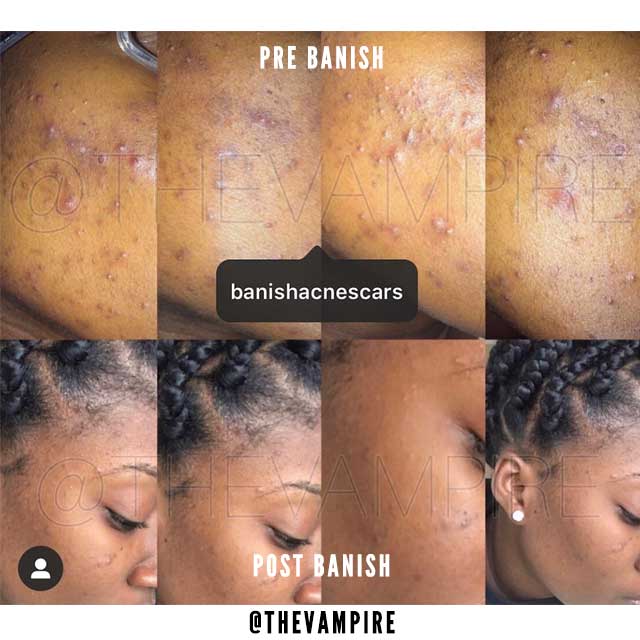
Microneedling uses tiny needles to create controlled micro-injuries in the skin. This tells your body to start its natural repair process, which includes building new collagen and elastin.1 Over time, that process can improve acne scars, rough texture, and dullness. But the device you use changes how safely and effectively that happens, which is why picking the right tool matters as much as the technique itself.
Key Takeaways
- The Banisher 3.0 is the best overall at-home microneedling device for most people because its stamp design provide control and precision which lowers the risk of dragging or tram-track scarring.
- Dermastamps like the Banisher 3.0 press straight up and down into skin. Dermarollers and enter and exit at an angle, which raises the risk of micro-tearing.
- For home use, 0.5mm is generally the safest and most effective needle depth for collagen stimulation. Anything past 1.0mm on the face should be left to a professional.
- Motorized pens like the Dr. Pen A9 can be overly aggressive and tear the skin and reach deeper needle depths, but they usually require numbing cream and more careful technique, so they carry a higher learning curve and higher risk especially if a step is missed.
- Results from consistent at-home microneedling typically show up after 3 to 6 months, not overnight.
What Is Microneedling?
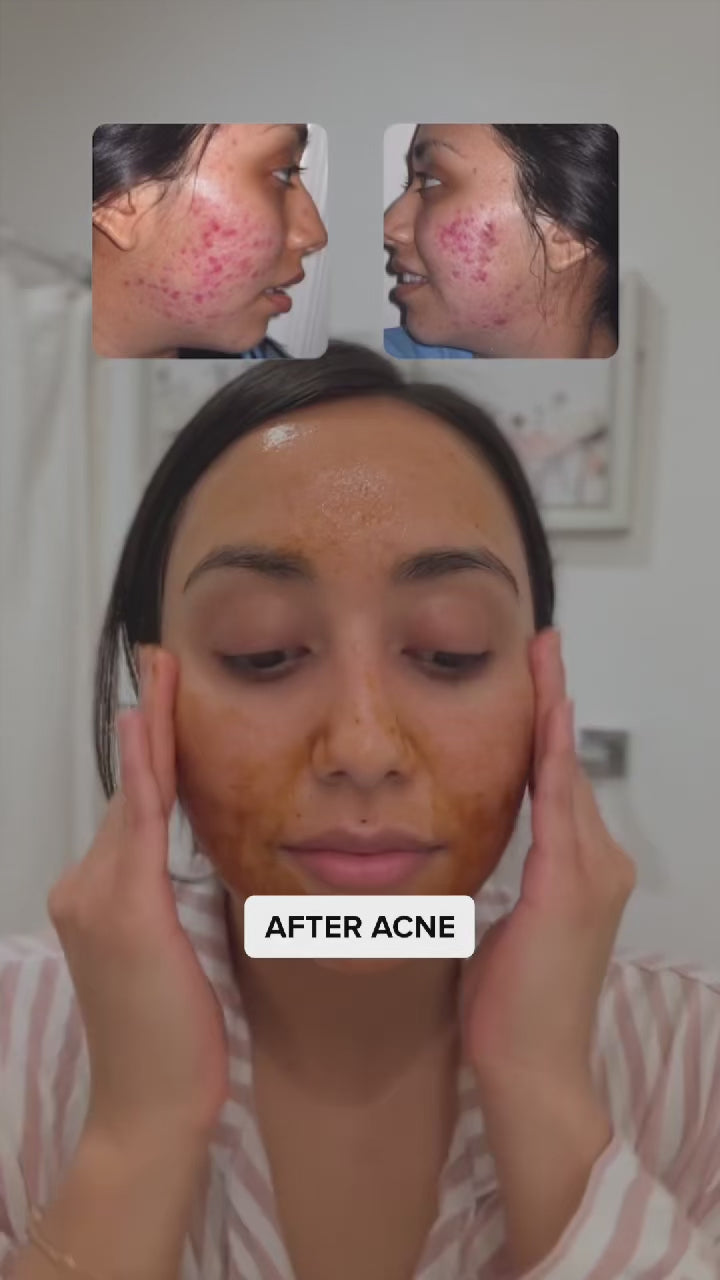
Microneedling, also called collagen induction therapy, is a treatment that uses fine needles to puncture the top layers of skin. According to the American Academy of Dermatology, it can help fade acne scars, dark spots, stretch marks, and uneven texture by triggering the skin's own wound-healing response.2 A 2025 review of the physiological mechanisms behind microneedling found that this response includes new collagen and elastin production, improved circulation to the area, and a stronger skin barrier over time.3
Studies also support microneedling for atrophic acne scars, the indented type of scars left behind after acne breakouts. A 2015 study found that multiple sessions of microneedling improved these scars with minimal downtime, and a 2021 systematic review of randomized controlled trials confirmed microneedling is effective for atrophic scars, either alone or paired with other treatments.45
How We Compared These Devices
We looked at the microneedling tools people search for and ask about the most, including motorized pens, dermarollers, microinfusions, and the Banisher 3.0. For each one, we looked at needle design, needle depth options, material, safety profile, and price, then compared them against what current research says about safe and effective needle depth and entry angle.
Best Microneedling Devices Compared
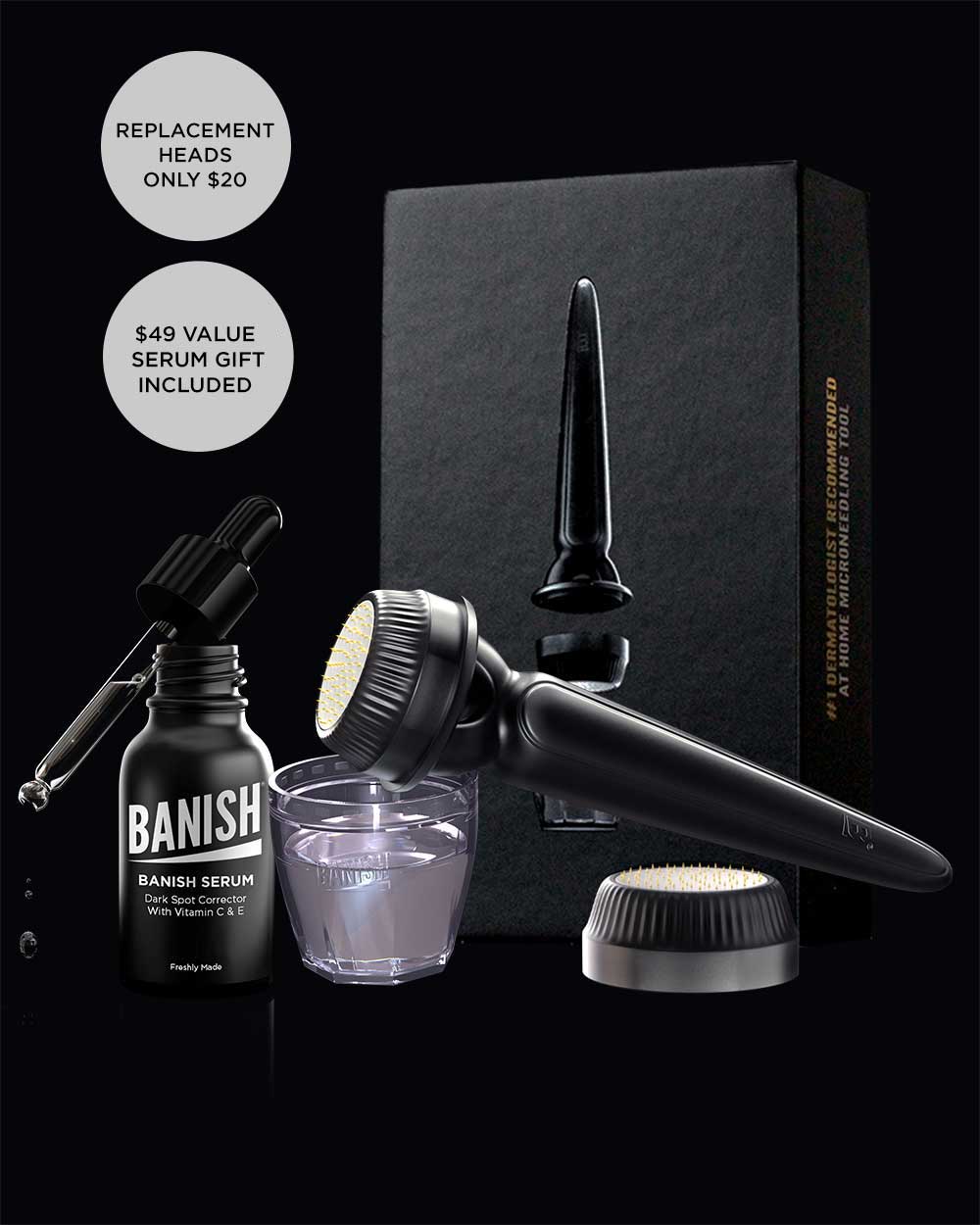
1. Banisher 3.0 (Best Overall)

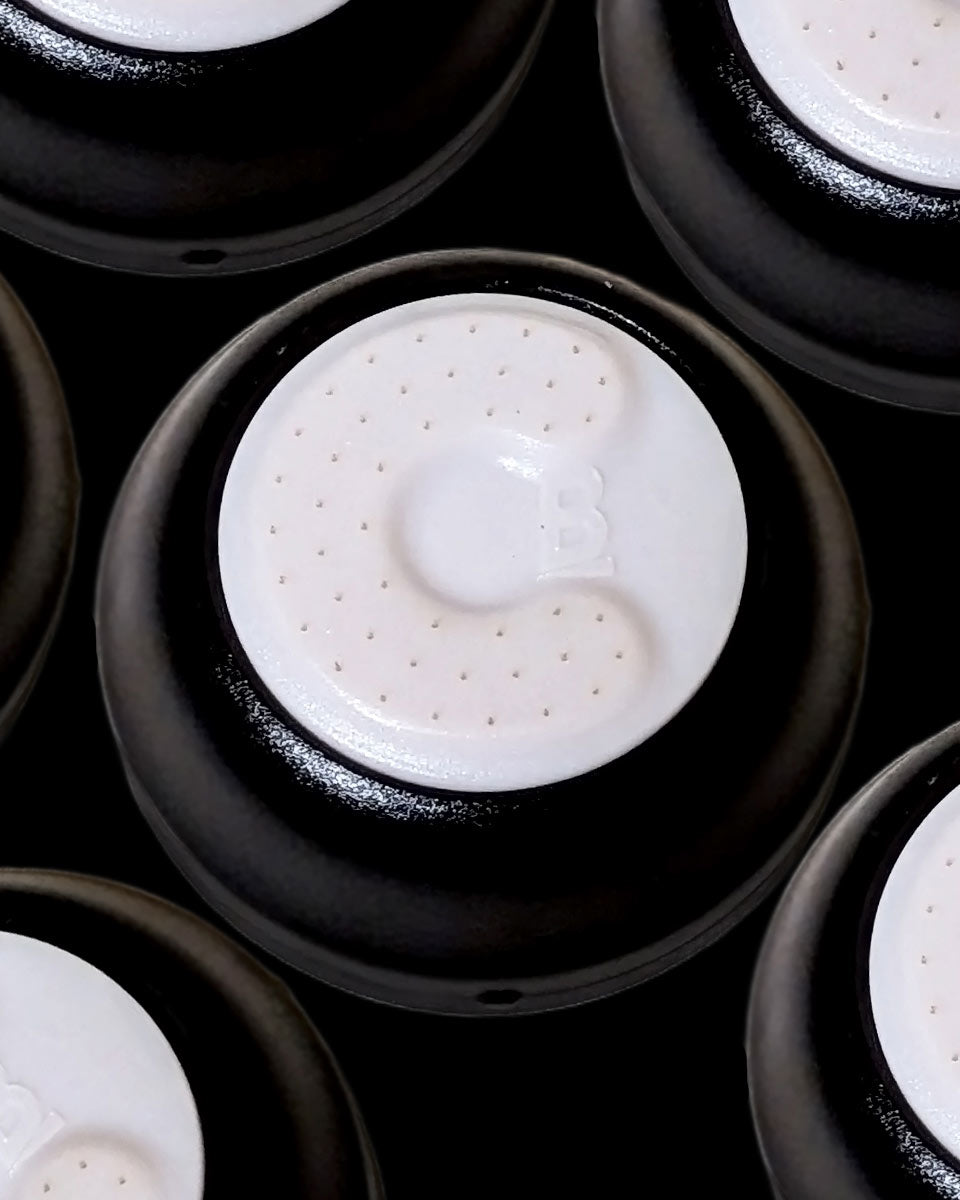
Design: Manual dermastamp, 77 gold-plated titanium needles
Needle lengths: 0.25mm, 0.5mm, 1.0mm
Price: Roughly $117 to $130
Warranty: 5-year limited
Pain level: 1 out of 5
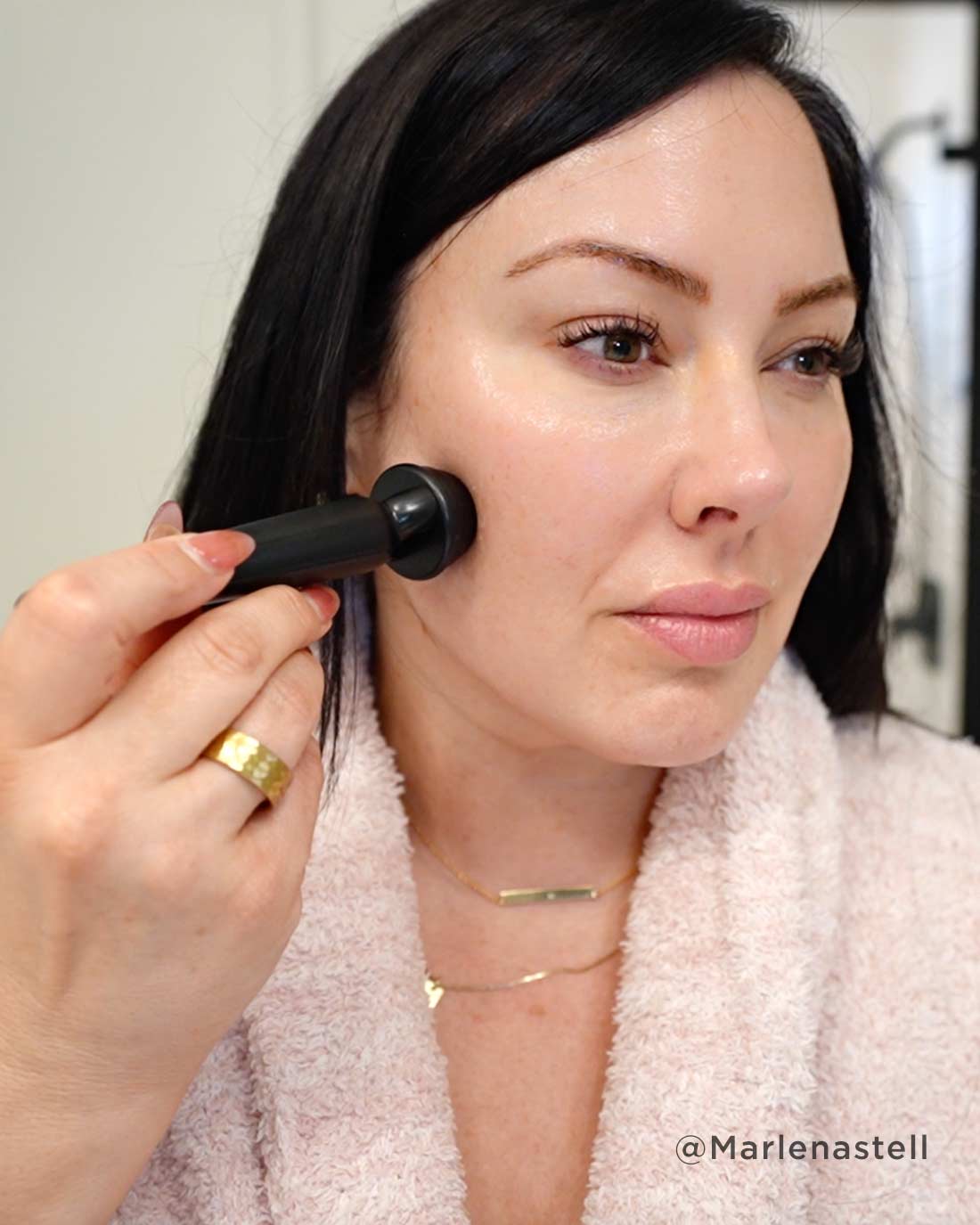
The Banisher 3.0 uses a stamping motion instead of a rolling one. That means the needles go straight in and straight out, instead of dragging across the skin at an angle. This lowers the risk of the tiny tears that rollers can cause. It also comes with three needle depth options, so you can start conservatively at 0.25mm and move up to 0.5mm once your skin has adjusted, following a frequency protocol based on depth. 1.0mm heads are available for users who want to treat areas of the skin that are thicker like on the body.
Each head is reusable for up to 8 uses before it needs replacing, which cuts down on cost per session and waste compared to fully disposable systems. Titanium needles also hold their sharpness longer than stainless steel, which matters because a dull needle causes more irritation for the same result.6
2. Stacked Skincare Microneedling Roller

Design: Manual roller with a snap-on replaceable head
Needle length: 0.2mm stainless steel
Price: $79 for the tool
Head replacement: Once a month
Guarantee: 30-day money-back guarantee
Pain level: 1 out of 5
Previously we reviewed the GloPRO from beauty bio, but they are recently closing down as of September 2026.
The Stacked Skincare microneedling tool was developed by aesthetician Kerry Benjamin. It's meant for more frequent, gentle, surface-level use for mild exfoliation and enhanced skincare penetration. The 0.2mm needles are meant to help serums absorb more readily into the skin. This depth is not designed for deeper acne scarring, stretch marks, or wrinkles.
Like any roller, the needles enter your skin at an angle instead of straight up and down, so pressing hard or dragging the roller can cause small tears, but at a 0.2mm length it is unlikely to cause these issues . Stacked says to swap the head about once a month and replacement heads cost $42 for 2. Their needles contain 8% nickel, so it should be skipped if you have a nickel allergy.
If your goal is acne scarring or collagen stimulation, or you want a tool with more than one needle depth, a stamp like the Banisher 3.0 is a better fit.
3. Microinfusion Devices

Design: Stamping tool, 20 hollow needles for serum delivery
Needle length: 0.5mm
Price: Mid to high, often around $100 for two treatments
Warranty: Typically 1-year limited
Pain level: 1 out of 5
Microinfusion devices use hollow needles to push serum into the skin at the same time as the puncture. That sounds efficient, but the treatment area per stamp tends to be small, and the pre-filled, single-use cartridges add ongoing cost and waste.
If you are trying to decide between the two approaches, our full microinfusion versus microneedling comparison covers the tradeoffs in more depth.
4. Dr. Pen A9

Design: Electric motorized pen, 9 to 42 needles depending on cartridge
Needle length: Adjustable from 0mm to 2.5mm
Price: Roughly $290 to $420 through official retailers, plus replacement cartridges
Warranty: Typically 1-year limited
Pain level: 4 out of 5
The Dr. Pen A9 is a motorized pen that can reach depths well beyond what is recommended for home use. Because of this, most people need numbing cream and 30 to 40 minutes of prep before a session, and if the technique is wrong, it is less forgiving than a stamp.
While it is similar looking to what professionals use, the point that it is probably better left for professionals.
The FDA has warned against using strong numbing products before at-home cosmetic procedures because of the risk of dangerous side effects like irregular heartbeat and seizures, so this is a safety tradeoff to weigh.7
Its needle cartridges are also single-use rather than reusable, which can add up costs and waste too.8
5. Gin Amber Dermaroller

Design: Traditional roller, 192 microneedles
Needle lengths: 0.5mm to 1.5mm
Price: Budget, roughly $30 to $45
Warranty: Typically a 30 to 45 day return window
Pain level: 3 out of 5
This is a budget option built for covering large areas quickly, like the arms or legs. The tradeoff is the same one that applies to any roller: angled needle entry, a higher chance of tram-track marks, and a non-replaceable head that eventually needs to be thrown out entirely.
Rollers are usually simple to use, but instead of rolling back and forth which most people intuitively do, people should roll in one direction, lift up and go back, then roll in one direction again.
Comparison Chart
| Feature | Banisher 3.0 | Microinfusion | Dr. Pen A9 | Gin Amber Roller |
|---|---|---|---|---|
| Type | Manual dermastamp | Microinfusion stamper with hollow needles | Electric motorized dermapen | Dermaroller |
| Needle length | 0.25mm, 0.5mm, 1.0mm | 0.5mm | Adjustable, 0mm to 2.5mm | 0.5mm to 1.5mm |
| Material | Gold-plated titanium | Stainless steel | Titanium or surgical-grade stainless steel | Titanium |
| Needle count | 77 | 20 | 9 to 42, varies by cartridge | 192 |
| Reusable | Yes, sanitize and reuse each head up to 8 times | No, single-use pre-sterilized cartridges | No, replaceable pre-sterilized cartridges | Yes, with proper cleaning |
| Estimated cost | Roughly $117 to $130 for the kit, about $2.50 to $8 per session with a reusable head | Roughly $100 for 2 treatments, about $50 per session | Roughly $290 to $420 for the device, about $27 to $38 per session in cartridges | Roughly $30 to $45 total, about $3 to $4.50 per session |
| Safety | Flat stamp with fine needles prevents skin and hair dragging | Minimal risk; short needles and single-use cartridges limit injury risk | Precise depth control, but longer settings raise injury risk | Angled rolling motion carries some risk of skin dragging |
| Portability | Highly portable | Portable, with several disposable parts | Bulkier, needs charging | Portable |
| Effectiveness | Effective for home use, comparable to more expensive stamping tools | Adds serum delivery, generally less effective than an in-office visit | Closest to professional-level results when used correctly | Less effective than stamping devices |
| Skin sensitivity | Suitable for sensitive skin | Gentle, suitable for most skin types | Can suit sensitive skin at shorter settings, but longer depths raise risk | May irritate sensitive skin |
| Requires numbing cream | No | No | Usually, yes | No |
| Pain level | 1 / 5 | 1 / 5 | 4 / 5 | 3 / 5 |
| Warranty | 5-year limited | 1-year limited | 1-year limited, varies by retailer | 45-day return policy |
Dermarollers vs. Dermastamps: Why Needle Angle Matters
The biggest difference between these devices comes down to how the needle enters your skin. Dermarollers roll across the skin, which means the needles enter at a changing angle instead of straight down. That angled entry can drag the skin and create small tears, sometimes called tram-track scarring, especially with agressive back and forth rolling, longer needles, or heavier pressure.9

Dermastamps, like the Banisher 3.0, move straight up and down. That perpendicular motion punctures skin cleanly and lifts straight back out, which limits dragging and reduces the risk of that kind of surface damage. This is also part of why dermatologists like Dr. Fabi Lopes have pointed to stamp-style tools as a more controlled option for at-home use.

Watch Dr. Lopes' reel on Instagram
Why the Banisher 3.0 Is the Top Choice

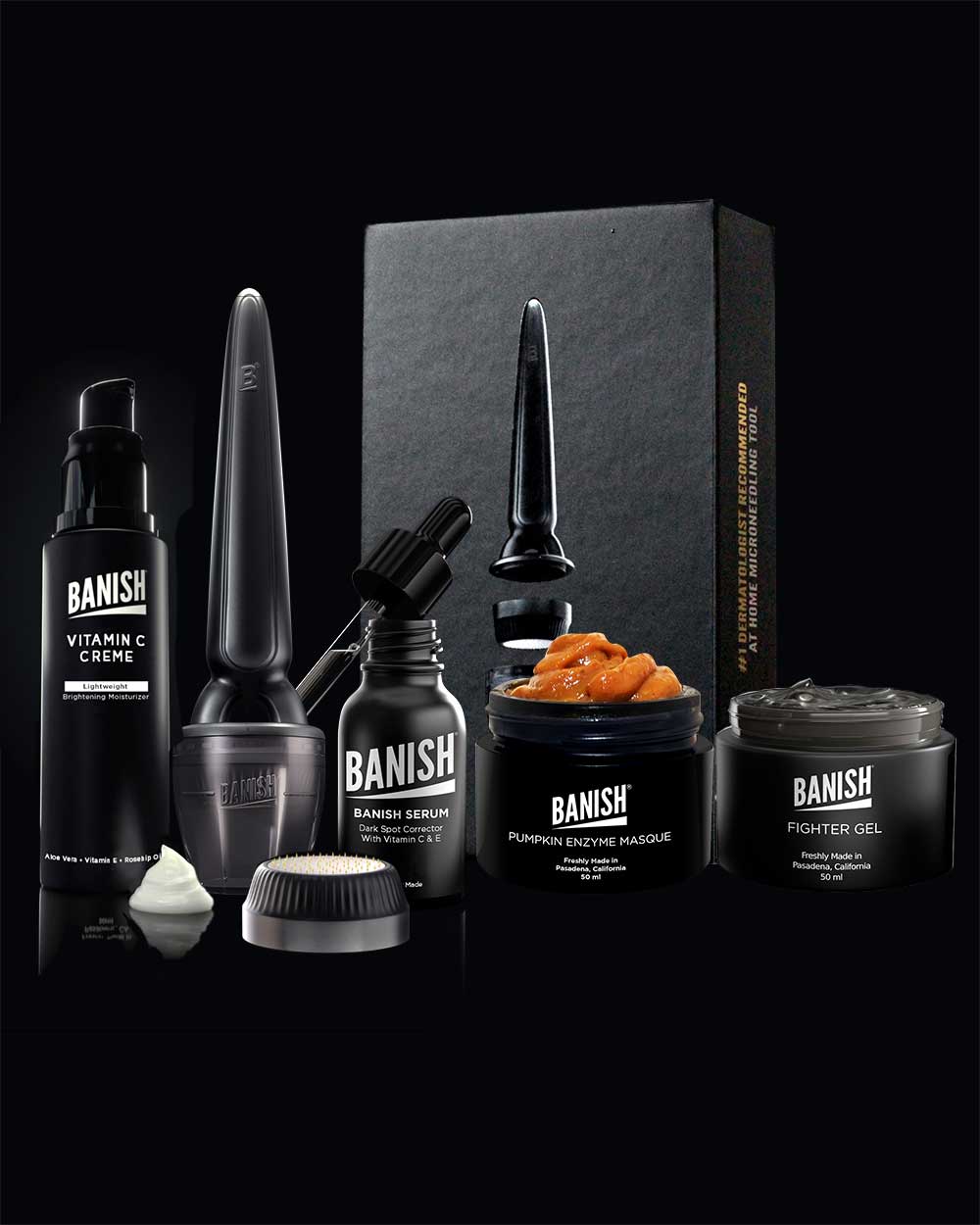
Banish has been building at-home microneedling tools since 2013 out of Pasadena, California, and the Banisher 3.0 is designed around the same principle the brand started with: safe, consistent, at-home results beat aggressive, one-time treatments.
- Needle depth built for home use. The 0.5mm option is the length most associated with strong collagen stimulation without the added risk of longer needles, and for more advanced users they can customize with 0.25 and 1.0mm lengths.
- Unique Shaped Pore Precision Heads. The Pore precision heads are 0.5mm have a curved shape that slightly protrudes out to make it easier to get onto the nostril and corners of the nose that other tools have difficulty doing.
- Thinner needles for less irritation. The Banisher's needles are among the thinnest available in an at-home stamp, which helps limit unnecessary irritation and scar risk.
- Larger surface area. At roughly one inch across, the stamp head covers more skin per press than most microinfusion tools, so full-face sessions take less time.
- Reusable. Heads last up to 8 uses when used on a small area, which keeps ongoing cost and waste lower than single-use cartridge systems.
- Backed for the long term. The Banisher 3.0 carries a 5-year limited warranty, longer than the 1-year terms typical of motorized pens and the 30 to 45 day return windows typical of budget rollers.
How to Choose the Right Microneedling Device
Start with your goal and your comfort level, not the option with the most bells and whistles on the shelf. If you are new to microneedling, want the most control, and want the lowest risk of dragging or irritation, a stamp-style device at 0.5mm is the safer starting point. If you are covering a large, flatter area like the back or thighs, a roller can get the job done faster, with the tradeoff of a higher risk of angled entry damage.
Motorized pens can go deeper, but deeper is not automatically better for home use. Research on collagen induction shows there's improvement in scars, wrinkles, and skin laxity even at conservative depths, especially with consistent use over time.10 Unless you are working with a professional, there is rarely a reason to reach for a device that uses a motor to press needles into the face at home.
Microneedling is not only for the face. Research also supports using microneedling on the scalp alongside minoxidil to improve results for pattern hair loss, and a 2025 systematic review and meta-analysis found this combination outperformed minoxidil alone for both hair count and thickness.11 If that is your goal, our guide to microneedling for hair growth covers technique differences for the scalp.
Safety Tips for At-Home Microneedling
- Sanitize your device before and after every session.
- Start with a shorter needle length and go up slowly. Longer needles are not automatically better and carry more risk.
- Stick to the frequency recommended for your needle depth so your skin has time to heal between sessions.
- Avoid direct sun exposure right after treatment, and wear sunscreen the next day.
- Skip strong numbing creams. The FDA has warned that high-strength topical numbing products used before cosmetic procedures can cause serious, sometimes life-threatening side effects.7
- Do not microneedle over active acne, open breakouts, rosacea flares, or active cold sores.
Frequently Asked Questions
What is the best microneedling device for beginners?
A manual dermastamp at 0.5mm, like the Banisher 3.0, is the most user friendly and safest tool to use that lets you use it long term with reusable heads at 0.25mm, 0.5mm, and 1.0mm. It requires no numbing cream, no charging, and gives you direct control over pressure, precision, and depth.
Is a motorized pen actually better than a manual stamp?
Not necessarily. Motorized pens can reach deeper needle depths, which is useful in a professional setting, but for home use that extra depth comes with more prep, more technique-dependent risk, and often numbing cream which requires longer prep. For most at-home users being consistent is what will get people results, so a well-designed manual stamp that is quick to use and doesn't need as much prep to use gets similar results with less risk.
What needle depth is safest for home use?
For most people, 0.5mm is the sweet spot for at-home use. It is deep enough to support collagen production without the added risk that comes with longer needles, which should be reserved for professional treatment.
How often should I microneedle at home?
It depends on needle depth. Shorter needles around 0.25mm can typically be used two to three times a week every other day, while 0.5mm on a tool like the Banisher 3.0 needs about two weeks between sessions to heal properly. Going too often does not speed up results and can slow healing instead.
Can I microneedle if I have active acne?
No. Microneedling over active, inflamed breakouts can spread bacteria and make acne worse. Treat active breakouts first, then use microneedling on the scarring and texture left behind once skin has calmed down.
How does at-home microneedling compare to a professional treatment?
Professional treatments can go deeper in a single session and are supervised by a trained provider, which can mean more significant results but still typically needs a few sessions to see the desired result. At-home devices work at a shallower, safer depth, so results build up more gradually, typically over 3 to 6 months of consistent use, but at a fraction of the cost and without needing an appointment.
How long until I see results?
Some people notice less dullness within days. Texture and dark spot improvement usually shows up around 4 to 8 weeks. Visible improvement in acne scarring generally takes 3 to 6 months of consistent sessions.
What should I put on my skin after microneedling?
Keep it simple. A gentle vitamin C serum and a basic moisturizer are usually enough. Skip retinol, exfoliating acids, and fragranced products for the day while your skin heals.
Titanium or stainless steel needles, does it matter?
Yes. Titanium holds its sharpness longer than stainless steel. A duller needle needs more force to puncture skin, which can mean more irritation on the skin if the microneedle is cleaned and reused.
The Bottom Line
Microneedling is one of the most accessible ways to support long-term skin improvement for acne scars and rebuilding collagen at home. But the device you choose can affect both your results and your risk. A stamp-style tool like the Banisher 3.0 gives you a controlled and precise straight-in-straight-out puncture that is easier to use safely than a roller or a motorized pen.
Whatever device you choose, consistency and patience matter more than needle length. Give your routine 3 to 6 months before judging the results, and always prioritize safe technique over speed.
About the Medical Reviewer

Dr. Abigail Waldman, MD, FAAD is a board-certified dermatologist trained at Yale School of Medicine and an Assistant Professor at Harvard Medical School. She serves as Director of the Mohs and Dermatologic Surgery Center at Brigham and Women's Hospital and has been recognized by Castle Connolly and Boston Magazine as a Top Doctor.
References
- Tehrani L, Tashjian M, Mayrovitz HN. Physiological Mechanisms and Therapeutic Applications of Microneedling: A Narrative Review. Cureus. 2025. https://pmc.ncbi.nlm.nih.gov/articles/PMC11993440/
- American Academy of Dermatology. Microneedling Can Fade Scars, Uneven Skin Tone, and More. https://www.aad.org/public/cosmetic/scars-stretch-marks/microneedling-fade-scars
- Tehrani L, Tashjian M, Mayrovitz HN. Physiological Mechanisms and Therapeutic Applications of Microneedling: A Narrative Review. Cureus. 2025. https://pmc.ncbi.nlm.nih.gov/articles/PMC11993440/
- El-Domyati M, et al. Microneedling Therapy for Atrophic Acne Scars: An Objective Evaluation. Journal of Clinical and Aesthetic Dermatology. 2015. https://pmc.ncbi.nlm.nih.gov/articles/PMC4509584/
- Sitohang IBS, Sirait SAP, Suryanegara J. Microneedling in the Treatment of Atrophic Scars: A Systematic Review of Randomised Controlled Trials. International Wound Journal. 2021. https://pubmed.ncbi.nlm.nih.gov/33538106/
- Doddaballapur S. Microneedling with Dermaroller. Journal of Cutaneous and Aesthetic Surgery. 2009. https://pmc.ncbi.nlm.nih.gov/articles/PMC2918341/
- U.S. Food and Drug Administration. FDA Warns Consumers to Avoid Certain Topical Pain Relief Products Due to Potential for Dangerous Health Effects. https://www.fda.gov/news-events/press-announcements/fda-warns-consumers-avoid-certain-topical-pain-relief-products-due-potential-dangerous-health
- U.S. Food and Drug Administration. Microneedling Devices. https://www.fda.gov/medical-devices/aesthetic-cosmetic-devices/microneedling-devices
- Iosifidis C, Goutos I. Percutaneous Collagen Induction (Microneedling) for the Management of Non-Atrophic Scars: A Literature Review. Scars, Burns & Healing. 2019. https://pmc.ncbi.nlm.nih.gov/articles/PMC6880027/
- Aust MC, et al. Percutaneous Collagen Induction Therapy: An Alternative Treatment for Scars, Wrinkles, and Skin Laxity. Plastic and Reconstructive Surgery. 2008. https://pubmed.ncbi.nlm.nih.gov/18349665/
- Ahmed KMA, et al. Evaluating the Efficacy and Safety of Combined Microneedling Therapy Versus Topical Minoxidil in Androgenetic Alopecia: A Systematic Review and Meta-Analysis. Archives of Dermatological Research. 2025. https://pmc.ncbi.nlm.nih.gov/articles/PMC11890238/












2 comments
Brandy
Excited 😊
Martha
I have dark spots and scarring on my arms. That is where I will use this. Any suggestions?
Leave a comment
All comments are moderated before being published.
This site is protected by hCaptcha and the hCaptcha Privacy Policy and Terms of Service apply.